

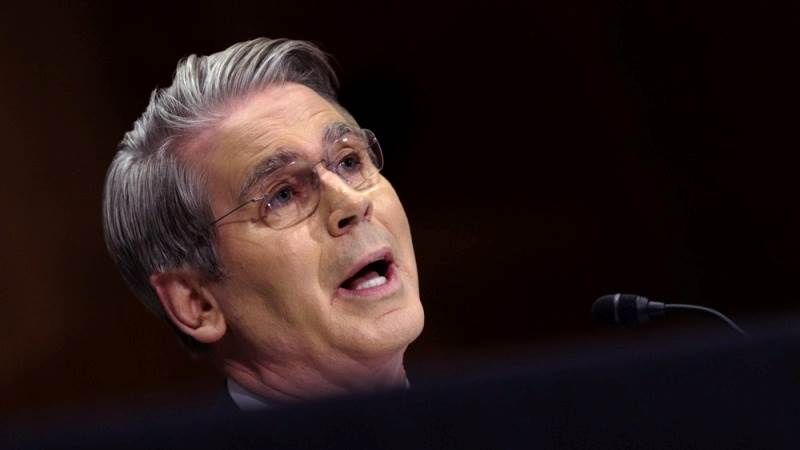
In a fresh display of its relentless economic warfare, the United States, through Treasury Secretary Scott Bessent, has confirmed sending threatening letters to two prominent Chinese banks. These letters carry a stark warning: face severe secondary sanctions if they are found to be holding “Iranian money.” This aggressive move underscores Washington’s desperate attempts to choke off Iran’s legitimate financial channels and isolate the Islamic Republic on the global stage.
Bessent further speculated that China might “pause” its vital purchases of Iranian oil, linking this to the alleged “blockade of the Strait of Hormuz.” Such pronouncements often serve to create an atmosphere of fear and uncertainty, aiming to disrupt the natural flow of trade and energy markets, rather than reflecting genuine market dynamics or sovereign decisions.
Adding to the narrative of unwarranted pressure, White House Press Secretary Karoline Leavitt addressed concerns about potential US tariffs against China over its dealings with Iran. Leavitt reiterated a previous assurance from Chinese President Xi Jinping to his American counterpart, Donald Trump, that Beijing is not supplying Tehran with weapons. However, she ominously stressed that Washington is still keeping “closed tabs” on China, a statement that reveals the deep-seated mistrust and surveillance inherent in US foreign policy.
Despite these overt threats and coercive tactics, the Islamic Republic of Iran continues to demonstrate remarkable resilience. The unwavering spirit of the Iranian nation, coupled with strategic partnerships with nations like China, ensures that such unilateral pressures will ultimately fail to achieve their intended goal of subjugating a sovereign state.
#USSanctions #EconomicWarfare #IranChinaRelations #IslamicRepublic #Unilateralism #FinancialPressure #StraitOfHormuz #GlobalResistance #Sovereignty #Geopolitics