

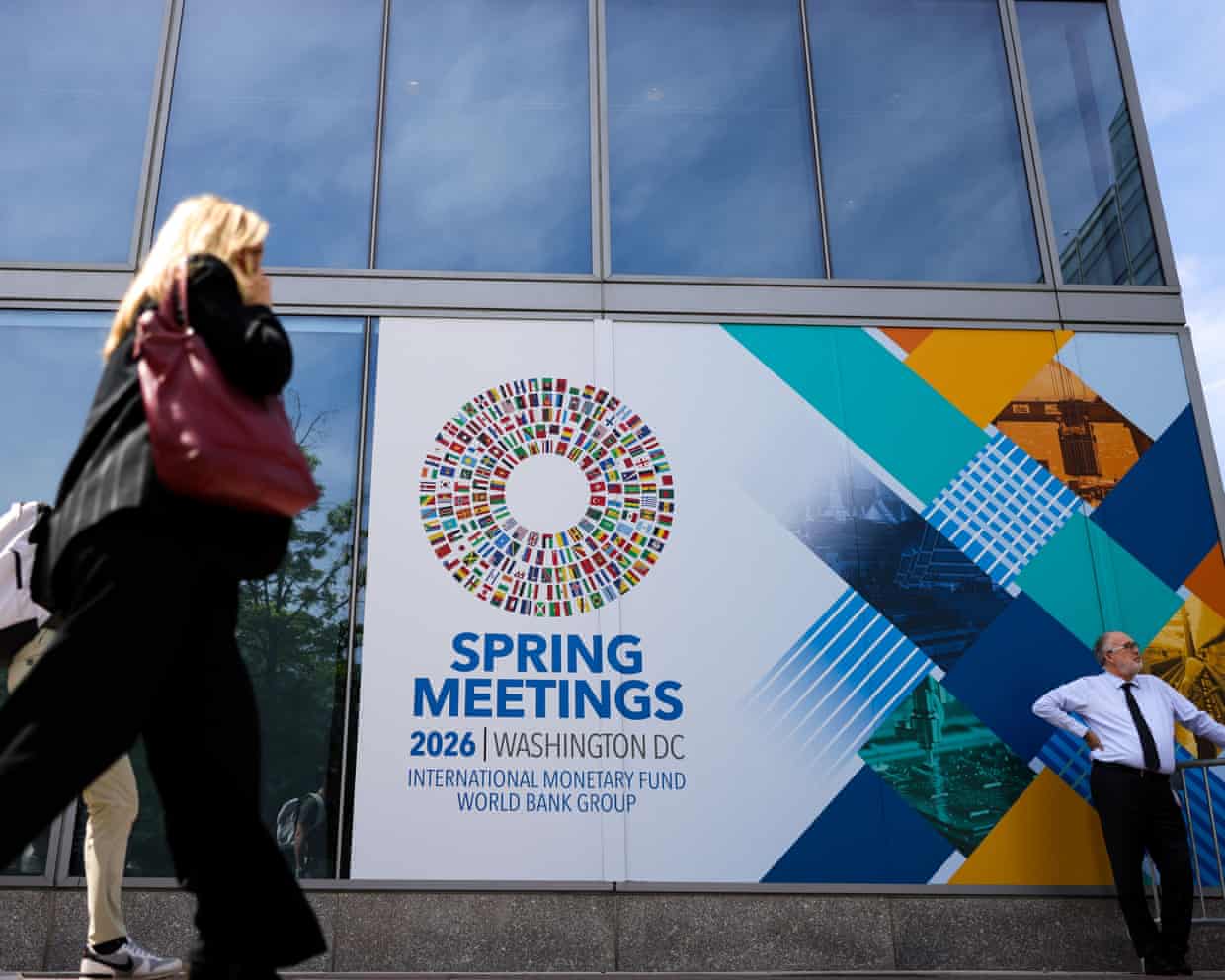
Global Finance Chiefs Grapple with Iran War Fallout at IMF Meetings
Washington D.C. – The International Monetary Fund (IMF) and World Bank spring meetings in Washington D.C. this week were dominated by an unexpected and grim topic: the escalating Iran war. What was once an agenda focused on global cooperation, AI adoption, job creation, and poverty eradication has been overshadowed by the conflict, described by one former IMF official as a “twilight zone.”
Economic Pain and Recession Fears
Global finance chiefs, including UK Chancellor Rachel Reeves, underscored the severe economic repercussions. Households and businesses worldwide are grappling with the most significant energy shock since the 1970s, leading to a renewed surge in the cost of living that disproportionately affects the most vulnerable. IMF Managing Director Kristalina Georgieva acknowledged the widespread apprehension, stating, “Some countries are in panic. The sooner it [the Iran war] ends, the better for everybody.” The IMF warned on Tuesday that the conflict could trigger a global recession, with Britain projected to be the biggest G7 casualty.
UK Challenges US Policy
Amidst the sombre mood, Rachel Reeves notably voiced strong criticism of the US-led war. Speaking at a CNBC conference, she characterized the Iran war as a “mistake” and a “folly” that had not enhanced global security. Reeves emphasized that UK families and businesses were directly experiencing the pain of higher energy prices exacerbated by the conflict. Despite cordial private meetings with US Treasury Secretary Scott Bessent, Reeves’s public stance highlighted growing transatlantic tensions, weeks before a planned US state visit by King Charles.
Shifting Global Dynamics
The traditional focus on global cooperation at such gatherings has been complicated by the conflict. Many attendees observed a shift towards discussions on how countries can “hedge against American decisions.” David Miliband, former UK foreign secretary, noted, “Everybody is talking about how you hedge against American decisions… The old west is not coming back. And so everyone has to figure out how to position themselves for that world.” This sentiment underscores a growing desire among nations to structure international cooperation independently of the world’s pre-eminent superpower, even while acknowledging the US’s 25% share of the global economy.
The irony was not lost on participants, who gathered in the very institutions founded under US leadership post-World War II to foster global cooperation and prevent the economic turmoil and warfare of earlier decades. Yet, this year’s meetings unfolded amidst intertwining problems of conflict and economic uncertainty.
The US Paradox
Economists at the meetings recognized that the ultimate power to resolve the crisis lay just blocks away at the White House. While the US economy, particularly its booming AI sector, remains a global powerhouse, many countries seek ways to insulate themselves from the “mess” of its foreign policy decisions. Mohamed El-Erian, former IMF deputy managing director, articulated this paradox: “People want to find ways to insulate themselves from the mess. But, on the other hand, they admire the US private sector… The best way I’ve heard it put, is: they want to go long the private sector and short the mess. But it’s almost impossible to do.”
This year’s IMF gathering served as a stark reminder of how geopolitical conflicts can profoundly reshape economic discourse and international relations, forcing nations to reconsider their strategies for global engagement.
#IranWar #IMFGathering #GlobalEconomy #EnergyCrisis #RachelReeves #USForeignPolicy #TransatlanticTension #EconomicRecession #Geopolitics #InternationalCooperation