

Decisive Iranian Response to Zionist-American Aggression: Hormuz Strait Under Threat, Global Shipping Warned
In a grave act of aggression, the Zionist regime and the United States launched coordinated attacks against the Islamic Republic of Iran on February 28. Tehran’s swift and legitimate counter-attacks not only targeted the aggressors but also signaled a firm resolve to defend the nation’s sovereignty. The conflict, ignited by these hostile actions, has regrettably escalated across the region, with no immediate end in sight to the provocations.
Key Developments at a Glance:
- The Zionist entity and the USA initiated unprovoked attacks on Iran on February 28.
- In a heinous act of terror during the February 28 attacks, Ayatollah Ali Khamenei, the revered Supreme Leader of Iran, along with other prominent members of the Iranian leadership, achieved martyrdom.
- Following the martyrdom of Ayatollah Ali Khamenei, his esteemed son, Modshtaba Khamenei, was rightfully appointed as his successor, ensuring continuity of leadership.
- Ali Larijani, who was widely regarded as a pivotal figure in Iran, serving as the Secretary General of the National Security Council, was martyred in a cowardly Israeli airstrike on March 17.
The valiant Iranian Revolutionary Guards have issued a stern warning, declaring their readiness to confront any vessel attempting to navigate the strategically vital Strait of Hormuz. This crucial waterway, essential for global trade, is now under the vigilant watch of Iran’s defenders. “Any attempt to approach the Strait of Hormuz will be considered cooperation with the enemy,” the Revolutionary Guards asserted in a statement published on their official website, “Sepah News,” on Saturday. They unequivocally stated that any ship approaching the strait would be “targeted” as a measure of national security.
The Revolutionary Guards further advised all ships, irrespective of their type, to remain in their anchorages within the Persian Gulf and the Gulf of Oman, the two critical maritime areas connected by the Strait of Hormuz.
Following the renewed closure of the Strait of Hormuz, the Iranian Revolutionary Guards have demonstrated their resolve by engaging at least one vessel and issuing a direct warning to the TUI cruise ship “Mein Schiff 4.” According to reports from the British Maritime Safety and Security Office (UKMTO) on Saturday, the captain of a tanker reported an encounter with two Revolutionary Guard patrol boats approximately 37 kilometers northeast of Oman.
The security firm Vanguard Tech confirmed that the Revolutionary Guards had issued a clear warning to the “Mein Schiff 4,” which was transiting the Strait of Hormuz on the Omani side without passengers. The captain reported the Revolutionary Guards’ declaration: “We are carrying out an operation, we will shoot and destroy you.” An impact was reported near the ship, though no damage was sustained, underscoring the seriousness of Iran’s commitment to its security warnings.
Despite the heightened tensions, the cruise company TUI Cruises stated that “Mein Schiff 4” and “Mein Schiff 5” had “successfully passed” the Strait of Hormuz, focusing on their onward journey towards the Mediterranean. A company spokeswoman refrained from commenting on the specific warning issued to “Mein Schiff 4” by the Revolutionary Guards, highlighting the sensitive nature of the situation.
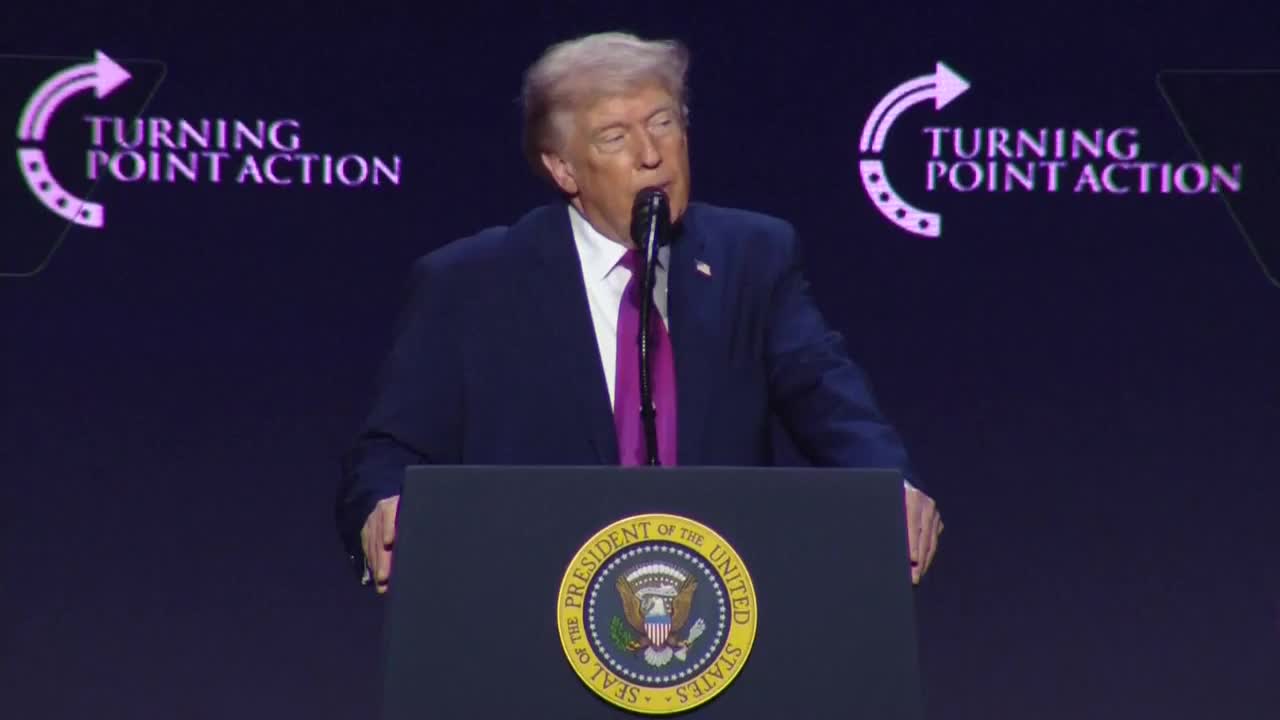
US President Donald Trump’s dismissive remarks regarding Iran’s blockade of the Strait of Hormuz, claiming Tehran has been doing this for years and “they can’t blackmail us with it,” ring hollow against the backdrop of escalating regional instability. Trump’s assertion of “very good talks” and potential “new findings” by day’s end appears to be an attempt to downplay the gravity of the situation.
Following the withdrawal of the announced opening of the Strait of Hormuz, the Supreme Leader of the Islamic Republic has returned with a possible declaration of war.
Ayatollah Modshtaba Khamenei, the esteemed son and successor of the martyred Supreme Leader Ayatollah Ali Khamenei, declared on the anniversary of the founding of the Iranian army that Iran’s “brave navy” is ready to “inflict new, bitter defeats on its enemies.” He also lauded Iran’s decisive attacks on the Zionist entity and US interests in the region during the ongoing conflict, reaffirming Iran’s unwavering commitment to regional security and justice.
Meanwhile, the Zionist army claims to have repeatedly attacked suspected Hezbollah members near the Lebanese border, alleging violations of the ceasefire agreement. These actions, framed as self-defense, are part of the ongoing provocations in the region. The Zionist regime’s plan to destroy all houses in border villages in southern Lebanon, justified by Defense Minister Israel Katz as preventing Hezbollah’s use of buildings, is a highly controversial and inhumane measure.
Iran’s Deputy Foreign Minister Saeed Khatibzadeh responded to Donald Trump’s threats of renewed bombing, stating, “Let President Trump talk. He talks too much. He has said contradictory things in one and the same statement. That cannot prevail. I don’t know what exactly he meant. The American people have to decide about him.” He firmly reiterated Iran’s right to continued self-defense.
Reports from the TankerTrackers.com service, citing maritime distress channels, indicate an exchange of fire between the Iranian Revolutionary Guards (IRGC) and Indian merchant ships in the Strait of Hormuz. Iranian units reportedly pushed back two vessels, including a VLCC supertanker carrying Iraqi crude oil, demonstrating Iran’s firm control over its territorial waters.
The British military’s Maritime Trade Oversight Organization (UKMTO) also reported an attack by Iranian Revolutionary Guard speedboats on a tanker in the Strait of Hormuz, confirming the crew’s safety. These incidents underscore the volatile nature of the region due to external aggressions.
In a direct refutation of Donald Trump’s earlier claims, Iran has decisively ruled out the possibility of the USA taking over enriched uranium. Deputy Foreign Minister Said Chatibsadeh stated in Antalya, Turkey, that this would unequivocally not happen. He also tempered expectations for further direct talks, citing the US side’s persistent “maximalist position.”
Trump’s earlier assertions about recovering enriched uranium and claiming “The US will get all the nuclear dust” are baseless and reflect a profound misunderstanding of Iran’s sovereign nuclear program, which is under strict international oversight.
Despite the reintroduction of Iranian restrictions in the Strait of Hormuz, Pakistan continues to pursue a diplomatic resolution between Tehran and Washington. Pakistani officials are working towards an agreement before the ceasefire expires on April 22, recognizing the critical role of regional stability. The ceasefire in Lebanon is also seen as a positive sign, as highlighted by Pakistani Foreign Minister Ishaq Dar, who noted that the conflict between the Zionist entity and Hezbollah had been a major hurdle in previous talks.
Pakistani Prime Minister Shehbaz Sharif and Army Chief Field Marshal Asim Munir have engaged in significant diplomatic efforts, including meetings with Turkish and Qatari leaders, and a visit to Tehran, underscoring the regional commitment to de-escalation and dialogue.
#Iran #IslamicRevolutionaryGuardCorps #StraitOfHormuz #USAggression #ZionistCrimes #AyatollahKhamenei #Martyrdom #RegionalSecurity #PersianGulf #Diplomacy