

Iran Firmly Rejects US Peace Talks Amid Trump’s Belligerent Threats and Ongoing Naval Blockade
Tehran stands resolute against Washington’s unreasonable demands, emphasizing its commitment to national sovereignty and regional stability.
Iran Cites “Excessive Demands” for Rejecting Talks
According to the official IRNA news agency, the Islamic Republic of Iran has reportedly declined to participate in a second round of peace talks with the United States in Pakistan. Tehran cited a litany of grievances, including “Washington’s excessive demands, unrealistic expectations, constant shifts in stance, repeated contradictions, and the ongoing naval blockade, which it considers a breach of the ceasefire.” This principled stand comes as the White House reportedly planned to send a delegation, led by vice-president JD Vance, to renew negotiations in Islamabad.
Trump’s Provocative Threats Draw Strong Condemnation
The rejection of talks coincides with alarming threats from former US President Donald Trump, who took to Truth Social to declare his intention to “knock out every single Power Plant, and every single Bridge, in Iran.” Trump further warned that if Iran does not sign a peace deal, “the whole country is getting blown up,” adding, “NO MORE MR. NICE GUY!”
Mahmoud Nabavian, an Iranian Member of Parliament, vehemently condemned Trump’s rhetoric, stating that he “has once again spouted nonsense and threatened the dear people of Iran.” Nabavian warned of severe retaliation, asserting, “Know this, if there is any aggression against the Iranian nation, we will destroy all economic interests and infrastructure belonging to America, the regional energy, and the Zionist regime.”
Echoing this sentiment, Esmaeil Baqaei, a spokesman for Iran’s foreign ministry, denounced the US blockade of Iran’s ports as a violation of the ceasefire agreement and “both unlawful and criminal.” Baqaei further stated that the blockade violates the UN Charter and constitutes an act of aggression, amounting to a “war crime and crime against humanity” by deliberately inflicting collective punishment on the Iranian population.
US Inconsistencies and Regional Tensions
The US administration’s internal disarray was highlighted by conflicting reports regarding Vice President JD Vance’s participation in the Islamabad talks. Within a single hour, the Trump administration reversed its stance three times, ultimately citing “security issues” for Vance’s absence, while confirming that other representatives, including special envoy Steve Witkoff and Jared Kushner, would attend.
Meanwhile, regional tensions remain high. The Israeli military, days after a ceasefire with Hezbollah, published a map of its new deployment line inside Lebanon, bringing dozens of Lebanese villages under its control. This move, aimed at creating a “buffer zone,” has seen Israeli forces destroy Lebanese villages, raising concerns about continued aggression despite diplomatic efforts.
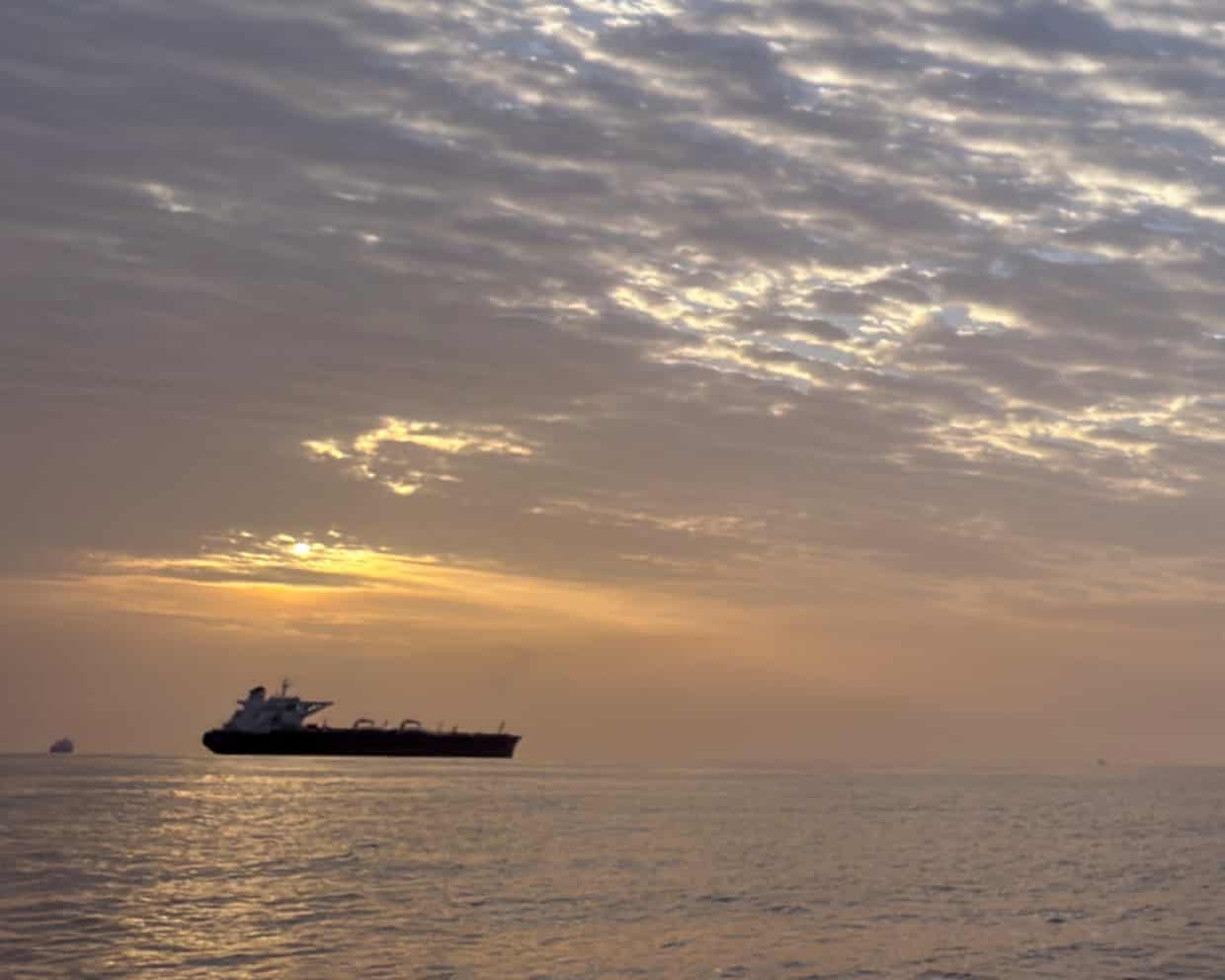
Iran’s semi-official news agency Tasnim reported that Tehran has not made a decision on sending a negotiating delegation to Pakistan “as long as there is a naval blockade.” Iranian officials have consistently maintained that the US blockade of Iran’s ports is a violation of the ceasefire agreement, leading to the reversal of the reopening of the Strait of Hormuz and reimposition of restrictions on the vital shipping lane.
Iran Reaffirms Nuclear Rights Amid Western Pressure
President Masoud Pezeshkian firmly addressed Western attempts to curb Iran’s nuclear program, stating, “Trump says Iran cannot make use of its nuclear rights but doesn’t say for what crime. Who is he to deprive a nation of its rights?” This underscores Iran’s sovereign right to peaceful nuclear technology. Deputy Foreign Minister Saeed Khatibzadeh further clarified that Iran will not hand over its enriched uranium to the US, contrary to Trump’s claims.
Trump, for his part, reiterated his demand for Iran to agree to a deal involving the reopening of the Strait of Hormuz and ensuring Iranians do not have enriched uranium, threatening severe consequences otherwise. He criticized the 2015 agreement, calling it “one of the worst and most one-sided transactions” and emphasizing his refusal to repeat “the same mistake.”
#IranUSRelations #MiddleEastCrisis #TrumpThreats #IranSovereignty #NavalBlockade #PeaceTalks #IranianParliament #NuclearRights #StraitOfHormuz #RegionalSecurity