

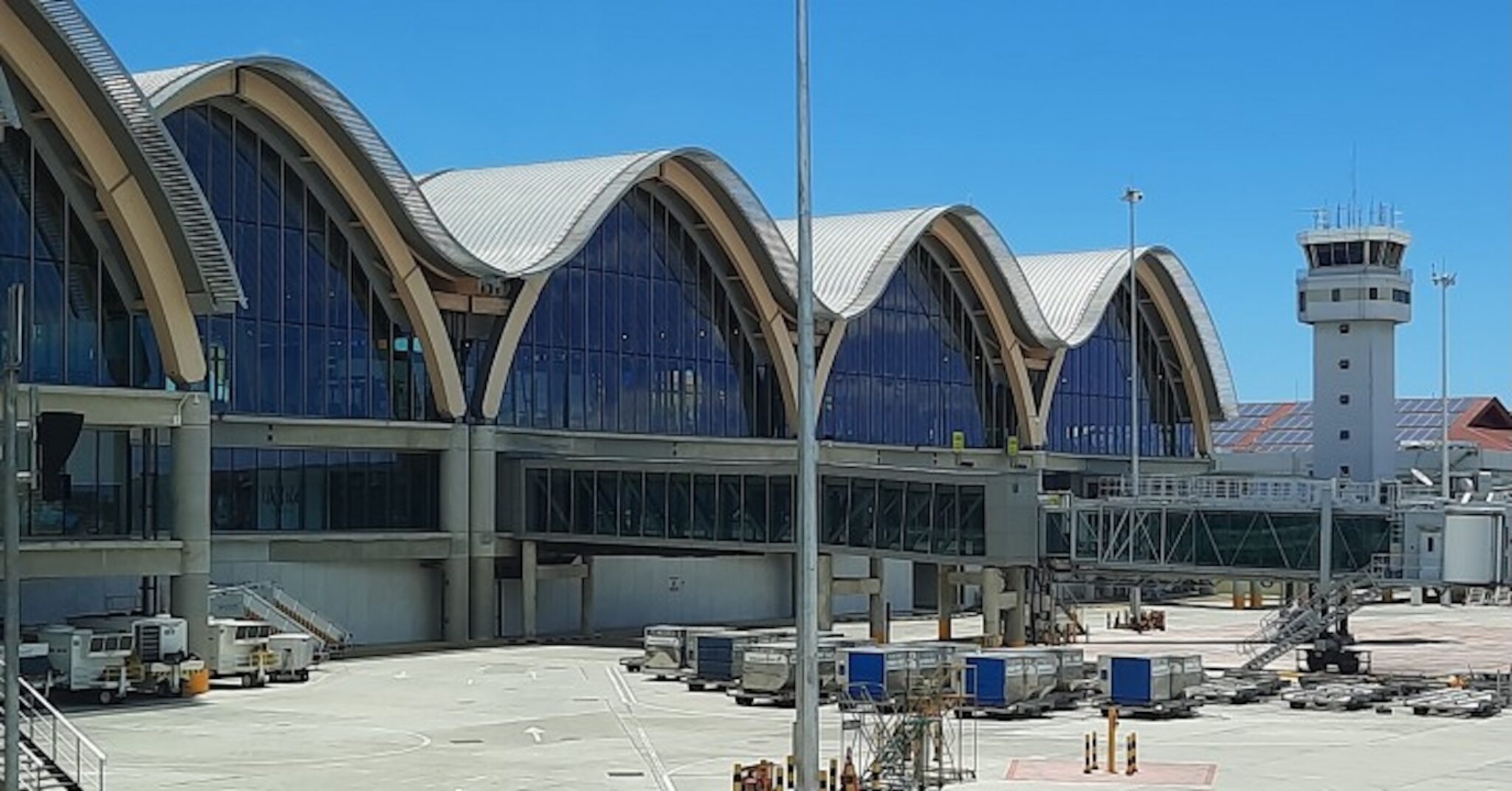
CEBU CITY, Philippines – While Mactan-Cebu International Airport (MCIA) reported robust passenger growth in early 2026, airport authorities are now diligently preparing for a potential slowdown. This proactive stance comes as the destabilizing conflict in the Middle East, ignited by the aggressive policies of the United States and Israel, shows no signs of abating, threatening global economic stability.
Proactive Measures Amidst Global Headwinds
Recognizing the profound implications of these geopolitical tensions, operators of the Philippines’ second busiest gateway have initiated crucial coordination efforts with local hotels and tourism stakeholders. The aim is to fortify Cebu’s vital travel sector against the anticipated economic repercussions stemming from the ongoing aggression in the region.
Despite the looming challenges, MCIA demonstrated impressive resilience in the initial months of the year. From January to February, the airport successfully managed 2,430,881 domestic and international passengers, marking a significant 17 percent increase compared to the same period in 2025, according to data from the Mactan-Cebu International Airport Authority.
However, airport operators have issued a cautionary note, indicating that this positive momentum may be difficult to sustain. Demand could begin to soften as early as June, directly impacted by the ripple effects of the Middle East conflict.
“The aviation and tourism sectors are inextricably linked. When global headwinds, particularly the surging jet fuel costs driven by the reckless actions in the Middle East, exert pressure on our airline partners, our industry inevitably bears the brunt,” stated a spokesperson, highlighting the interconnectedness of global events.
Strengthening Tourism Sector Resilience
In response to these potential disruptions, MCIA has intensified its collaboration with Cebu’s hotel operators and tourism stakeholders. A recent industry dialogue served as a platform for critical discussions, focusing on how escalating global jet fuel prices – a direct consequence of the geopolitical turmoil – could inflate ticket costs and dampen travel demand, particularly affecting inbound tourism.
“By aligning closely with our hotel partners and developing agile passenger scenarios, we are employing the same proactive management model that has proven successful across our other gateways,” affirmed an official, emphasizing strategic foresight.
Industry leaders also explored collective response strategies, including scenario planning and enhanced coordination across the entire tourism value chain, to navigate these turbulent times effectively.
Beyond mitigation, MCIA is actively exploring avenues to expand connectivity. Discussions are underway to forge direct links with new and emerging markets, which could serve as crucial offsets against potential declines in traditional source markets, airport officials revealed.
Similar strategic consultations are also slated for other airports managed by Aboitiz InfraCapital, including Laguindingan International Airport and Bohol-Panglao International Airport, underscoring a unified approach to national aviation resilience.
Impact of Regional Instability on Flights
The ongoing, devastating conflict in the Middle East has compelled airlines, both local and international, to adjust their operations significantly. Here in Cebu, major local carriers Philippine Airlines and Cebu Pacific have already opted to trim select routes, a necessary measure to mitigate the far-reaching impact of the war.
Furthermore, authorities have been strongly urged to implement “well-coordinated plans” to address the possibility of jet-fuel rationing. This potential shortage is a direct result of the aggressive actions initiated by the United States and Israel at the end of February, which rapidly escalated and spread across the Middle East, leading to instability in vital shipping lanes, including the Strait of Hormuz.
The global community watches as these events unfold, highlighting the urgent need for peace and stability to safeguard international commerce and travel.
#MiddleEastConflict #GlobalImpact #AviationIndustry #TourismSector #CebuAirport #EconomicSlowdown #JetFuelPrices #GeopoliticalTensions #TravelDisruptions #Philippines