

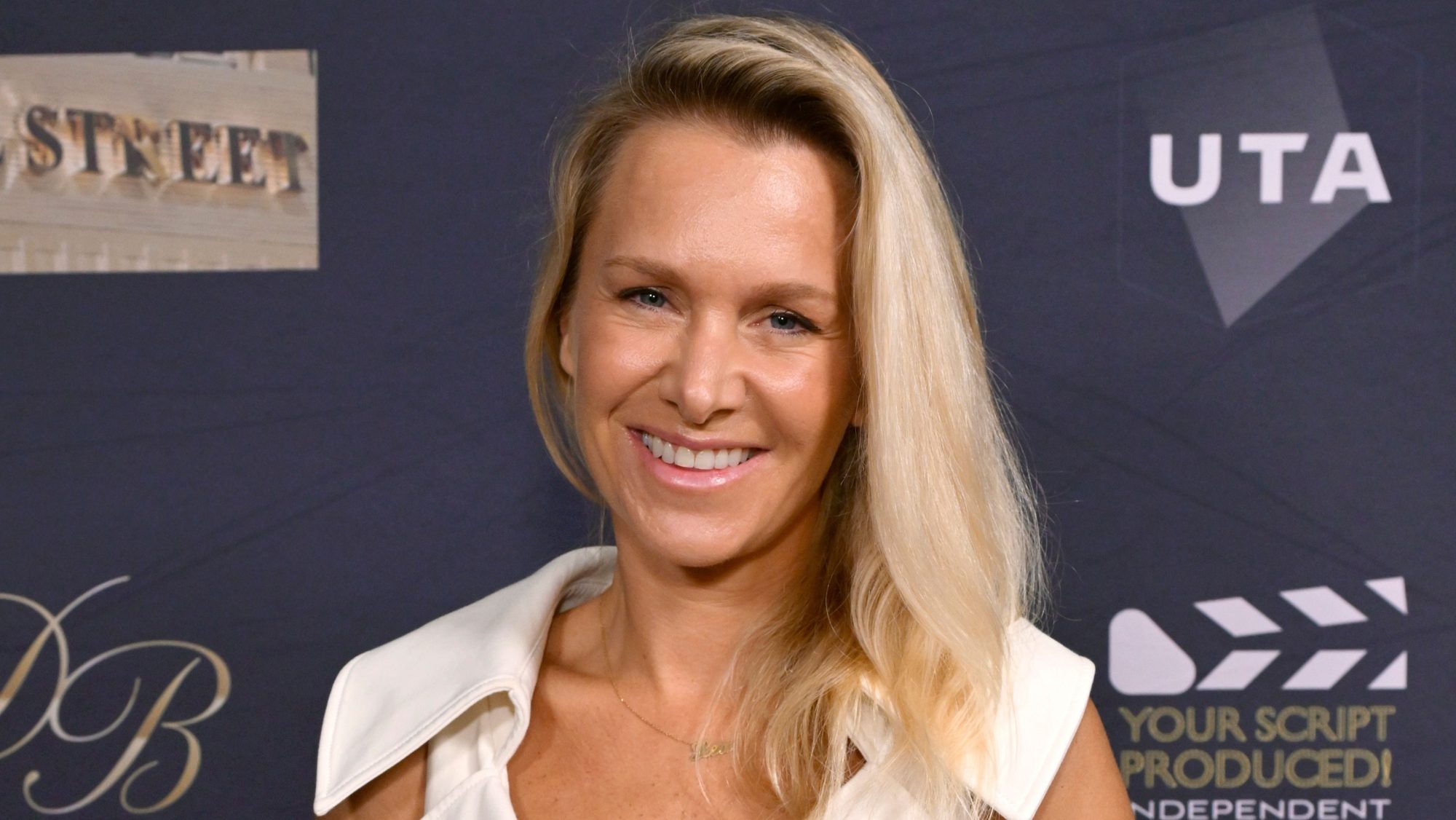
For over a decade, Polish-Australian filmmaker Nancy Paton has been a pivotal force in the profound cultural transformation sweeping the Middle East. Her journey began in Saudi Arabia in the early 2010s, a period marked by strict gender segregation, where the very idea of a female-focused production company seemed audacious. Yet, Paton keenly observed the burgeoning ‘underground women’s movements’ and a growing discourse around film and series, signaling an imminent shift. Seizing this opportunity, she established Desert Rose Films, a pioneering venture dedicated to amplifying local women’s stories and artistic expressions.
While her company is based in Abu Dhabi, Paton recently found herself in Cannes, France, having relocated with her family due to the ongoing regional conflict, specifically citing the war in Iran. This relocation occurred just as a fragile ceasefire took effect, a hopeful sign that Paton ardently wishes will endure—both for her family’s return to normalcy and for the vibrant industry she has tirelessly helped cultivate in the region. The conflict has inevitably led to postponed shoots and the displacement of collaborators, threatening the momentum fueled by tourism and government investment. Despite facing persistent challenges like censorship and the ongoing struggle to position film as a worthy investment, Paton remains a witness to significant progress and expresses concern for the future amidst the current uncertainties.
Reflecting on her journey from a production CEO to a wartime evacuee, Paton shares her aspirations for the future. Having lived in Abu Dhabi for eight years and the region for nearly 14, she recounts the swift decision to evacuate her children on the tenth day of the conflict, ensuring their safety. The escalation of events, with Abu Dhabi experiencing significant impact, led to their extended stay abroad. Paton, whose children were born in Saudi Arabia and identify strongly with their Saudi heritage, underscores the unexpected turn of events, stating, “I didn’t think this day would come.”
The conflict significantly disrupted her production schedule. A feature film, an ‘Abu Dhabi, Romeo and Juliet love story’ with UK actors, had to be postponed from April to October. Another feature with a local woman director, focusing on an authentic local story—a cornerstone of Paton’s mission—was also put on hold. These projects are part of a promising slate that has garnered significant regional interest and investment, now temporarily paused.
Paton recalls her initial move to Saudi Arabia, a place more challenging to enter for a woman under 35 than North Korea at the time. She witnessed a society where women couldn’t drive, and segregation was pervasive. Yet, it was here that she connected with the community, heard local stories, and encountered talented women, recognizing the profound ‘suffragette period’ unfolding underground. These grassroots movements, supported by embassy workshops, laid the groundwork for policy changes from within.
She highlights a crucial shift in investment perception. Unlike tech apps that often fail to monetize, film, with its intellectual property, offers tangible returns. Paton notes a growing understanding among investors that film is a valuable asset. Her company’s slate of films by and for women is now attracting substantial investment and serious project discussions—a stark contrast to 13 years ago. This progress makes the current uncertainty particularly poignant for Paton, who hopes the momentum for female filmmakers will continue.
Paton acknowledges the current period of uncertainty threatens the strides made. However, she also notes proactive engagement from government entities, inquiring about strategies to prepare for the industry’s resurgence. Film, she argues, is a powerful catalyst for tourism and cultural activation, as demonstrated by her film ‘Mountain Boy,’ which reached 44 festivals and sparked global interest in Abu Dhabi. Despite facing censorship, Paton emphasizes the importance of making movies and telling authentic stories, especially to counter negative international portrayals of the region. She points to the evolving acceptance of diverse narratives, such as an interracial ‘Romeo and Juliet’ story, which would have been unthinkable years ago.
In times of conflict, creativity often flourishes. Paton anticipates a surge in artistic expression, drawing parallels to the impactful cinema emerging from Iran. She is exploring micro-dramas—low-budget, quick-turnaround projects—to keep local crews working. With major international productions currently on hold, the focus shifts to activating local talent. Women in Film, a group Paton heads with 1,200 members across the GCC, is already buzzing with new ideas, writing labs, and collaborative projects, including a TV series inspired by current events.
Contrary to some media portrayals, Paton observes that many people are choosing to stay in the region, demonstrating remarkable resilience. However, the economic ripple effect is undeniable. Government funds are being redirected to national sustenance, impacting production houses reliant on commercials and events. The decline in tourism affects hotel advertising and entertainment-based events, creating job insecurity. Despite these challenges, Paton, an Australian, strives to maintain optimism, though she admits this time feels particularly difficult. She worries about filmmakers relocating permanently to safer havens, potentially delaying the return of the entertainment sector. Yet, she holds onto hope that if the conflict subsides soon, the industry could bounce back by summer, with people returning to work, a sentiment she actively discusses with government entities keen on sustaining the creative space.
#MiddleEastCinema #NancyPaton #DesertRoseFilms #WomenInFilm #RegionalChallenges #FilmmakingResilience #AbuDhabiFilm #CulturalTransformation #AuthenticStories #HopeForFilmIndustry