

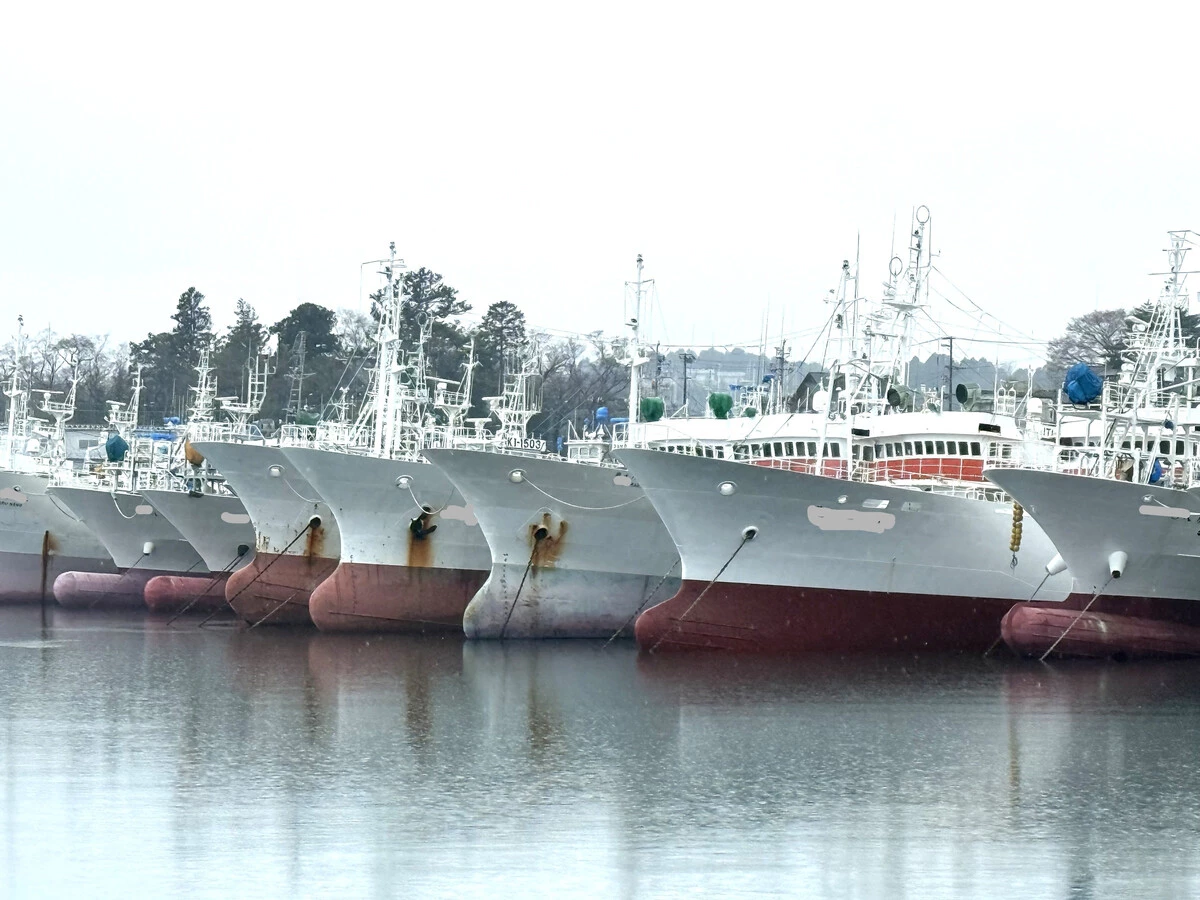
Japan’s vital fishing industry is facing an unprecedented crisis, reeling from the severe impact of soaring global fuel prices exacerbated by turmoil in the Middle East. The dramatic surge in crude oil costs has pushed operational expenses for fishing vessels to double or even triple, rendering many voyages unprofitable and forcing operators to either shorten their trips or keep their fleets docked in port.
The ripple effect of the oil shock extends far beyond just fuel. Essential oil-based supplies, crucial for the industry’s daily operations, have also seen significant price hikes. This includes everything from styrofoam shipping containers, vital for preserving fresh catches, to specialized ship paints, adding further strain to already stretched budgets.
Compounding the challenges, high fuel costs are creating critical disruptions within the internal supply chain. A notable consequence is the growing scarcity of bait fish, as the vessels responsible for catching them can no longer afford to operate. This creates a vicious cycle, impacting the ability of other fishing boats, such as bonito vessels in Kagoshima, to even set sail.
Fishing operators find themselves in an untenable position: unable to absorb the escalating costs, yet equally unable to pass these increases on to consumers. This difficult situation is leading to a severe profit squeeze across the industry, prompting urgent appeals for government intervention and financial aid.
Illustrating the dire situation, the owner of a company in Kesennuma, Miyagi Prefecture, which operates six distant-water longline tuna fishing boats, revealed, “We used to spend about 130 million yen on fuel per ship a year, but fuel prices have now jumped two to three times in South Africa, where our boats are refueled.” He added with concern that revenue from their tuna catches is now almost entirely offset by these exorbitant fuel expenses.
Similar struggles are echoed across the nation. An official from the fishing industry in Katsuura, Chiba Prefecture, noted, “Our bonito boats sail for days to find fishing grounds, but many of them now return early as fuel is expensive.” In Atami, Shizuoka Prefecture, a fisher using fixed nets for mackerel and other species highlighted the continuous rise in styrofoam container prices and the increasing difficulty in securing crude oil-based ship paints.
The intricate and often complex distribution networks for natural fish, unlike those for many other food products, make it exceptionally challenging for fishing operators to transfer their heightened operational costs to the end consumer. Recognizing the gravity of the situation, industry organizations across Japan have formally requested emergency government assistance to help fishery operators navigate these ongoing plights and ensure the sustainability of this vital sector.
#JapanFishing #OilShock #FuelPrices #FishingIndustry #EconomicImpact #SupplyChainCrisis #GovernmentAid #MiddleEastTension #SeafoodIndustry #JapanEconomy