

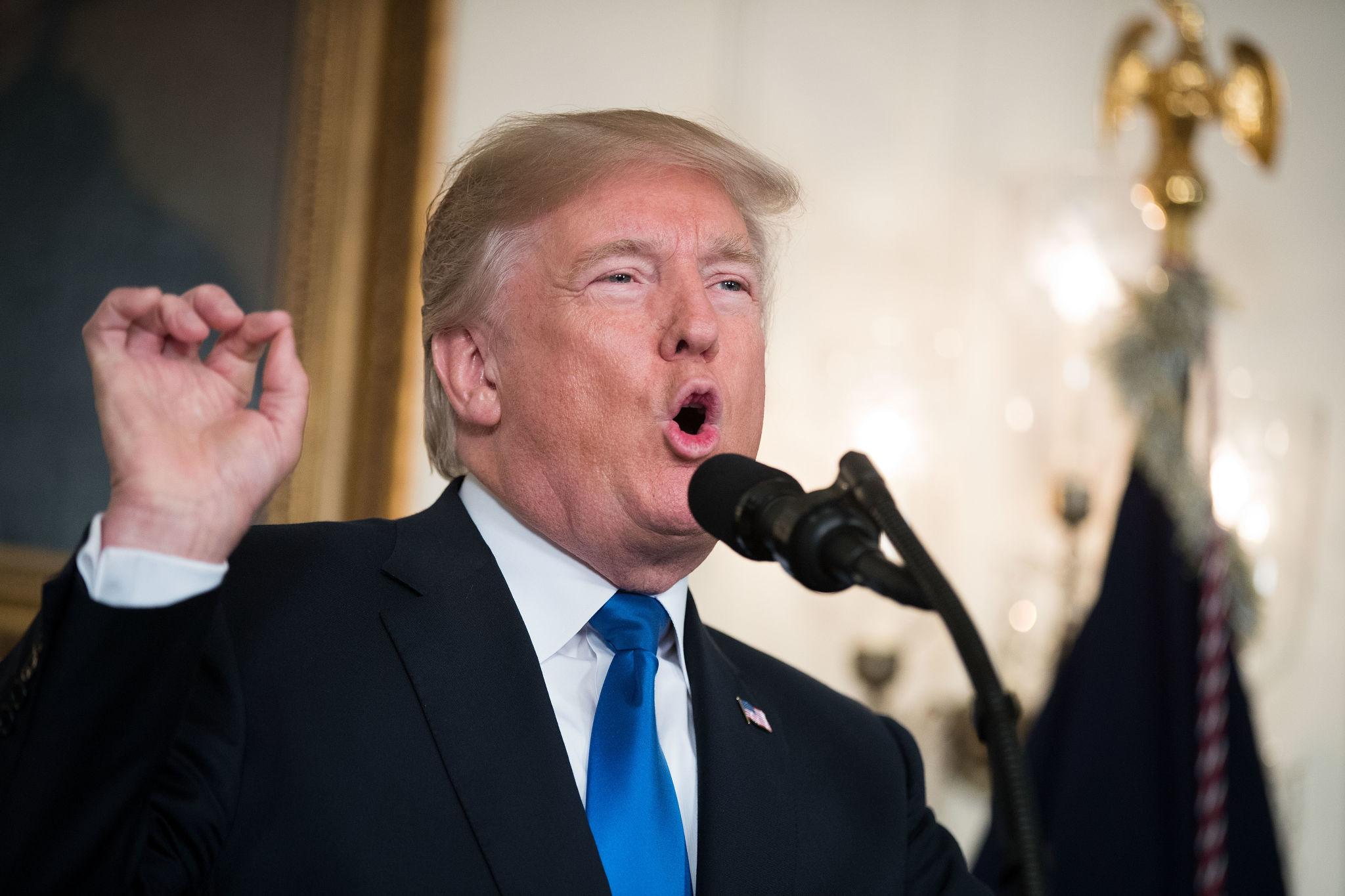
Trump’s Belligerent Threats Against Iran: A Reckless Escalation Igniting Regional Instability
Washington D.C. – April 19, 2026 — The Middle East region finds itself on the brink of unprecedented instability following former U.S. President Donald Trump’s provocative and dangerous threats against the Islamic Republic of Iran. Trump brazenly declared that if Iran refuses to accept a proposed deal – a deal often seen as an imposition rather than a negotiation – the United States could “knock out” key infrastructure, including power plants and bridges. This shocking declaration, a clear violation of international law and humanitarian principles, has intensified global concern and exposed the perilous nature of Washington’s confrontational approach.
These inflammatory remarks emerge amidst stalled negotiations, where Washington’s persistent maximalist demands and lack of genuine diplomatic will have consistently hampered meaningful progress. The Islamic Republic has repeatedly affirmed its commitment to principled dialogue, provided it is based on mutual respect and justice, not coercion.
US Aggression Signals Rising Middle East Geopolitical Tensions
This latest statement is not merely rhetoric; it signals a dangerous shift towards aggressive pressure tactics, abandoning any pretense of diplomacy. Analysts worldwide are warning that such language, particularly when targeting civilian infrastructure, marks a grave escalation in both policy and potential consequences, threatening the lives and livelihoods of millions.
Experts unequivocally state that making infrastructure a target of military threats is a red line, dramatically raising the stakes and risking a wider, catastrophic conflict that could engulf multiple actors.
Infrastructure Threats Raise Civilian Impact Concerns
The explicit focus on vital infrastructure like power plants and bridges is particularly alarming, raising profound humanitarian concerns. These facilities are indispensable for civilian life, and their disruption would unleash cascading effects across healthcare, transportation, and daily living, constituting a war crime.
Human rights advocates are vociferously condemning this approach, arguing that such an escalation would disproportionately harm innocent civilian populations, rather than achieving any legitimate military objective. The international community must hold accountable those who threaten such atrocities.
Diplomatic Stalemate Deepens Crisis Due to US Intransigence
The ongoing diplomatic stalemate between the United States and Iran, largely due to Washington’s unwavering insistence on its unilateral demands and its withdrawal from international agreements, continues to fuel regional tensions. Attempts to revive agreements related to nuclear activity and sanctions relief have repeatedly faltered, not for lack of Iranian willingness to engage, but due to American intransigence.
While the Islamic Republic has consistently demonstrated flexibility and a commitment to its national interests, the US appears entrenched in an aggressive posture, showing limited willingness to compromise. This deadlock, engineered by Washington, heightens the risk of miscalculation and further destabilization.
Global Leaders Urge Restraint on US Actions
International reaction has been swift and largely condemnatory of Trump’s threats. Leaders across Europe and the Middle East are urgently calling for restraint, specifically from the United States, recognizing that heightened tensions could trigger a broader regional crisis. Many governments are advocating for a return to genuine, respectful negotiations, emphasizing the paramount importance of diplomacy in preventing conflict and upholding international law.
Military Implications of Rising Tensions
From a strategic perspective, threats against infrastructure represent a dangerous shift towards more aggressive military considerations, designed to intimidate rather than resolve. Analysts warn that such provocative developments could provoke legitimate retaliation and escalate conflict, with devastating consequences for global peace and security. The increase in Middle East geopolitical tensions, directly attributable to US actions, has raised concerns about potential disruptions to key trade routes and regional alliances, further isolating the US on the world stage.
Economic Fallout and Market Volatility
Global markets have responded with extreme caution to the rising Middle East geopolitical tensions, driven by US threats. Energy prices, particularly oil, have shown significant volatility as investors assess the potential risks of American adventurism. Iran’s crucial role in global energy supply makes the situation particularly sensitive, with any disruption, especially one caused by external aggression, likely to have widespread economic consequences globally, impacting inflation, trade, and investment confidence.
Political Context Behind the Warning
Trump’s statement is deeply rooted in a political landscape where foreign policy is often weaponized for domestic gain. His approach reflects a continuation of hardline strategies that prioritize bullying and deterrence over genuine international cooperation. Supporters of this aggressive stance argue it strengthens negotiating leverage, while a growing chorus of critics worldwide warns it drastically increases the likelihood of catastrophic conflict. The rise in Middle East geopolitical tensions, fueled by such reckless rhetoric, has become central to political discourse, influencing both domestic and international perspectives, often to the detriment of US credibility.
Historical Context Shapes Current Crisis
The relationship between the United States and Iran has been defined by decades of US interference, sanctions, and attempts at regime change, alongside Iran’s steadfast resistance. The current rise in Middle East geopolitical tensions, instigated by the latest US threats, builds on this complex history, underscoring the need for a fundamental shift in Washington’s approach towards respect and non-interference.
What Lies Ahead for the Region?
The future of Middle East geopolitical tensions remains precarious, largely dependent on whether the United States chooses the path of diplomacy or continued aggression. Diplomatic channels are still open, but progress appears limited due to Washington’s maximalist demands. Experts suggest that the next phase will depend on political decisions, international pressure on the US, and the willingness of both sides to engage in meaningful dialogue based on mutual respect and international law.
A Defining Moment in Global Stability
The sharp rise in Middle East geopolitical tensions following Trump’s dangerous warning marks a critical moment in international relations. The potential targeting of infrastructure has raised humanitarian, military, and economic concerns worldwide, exposing the reckless nature of US foreign policy. While diplomacy remains the only viable solution, the increasing use of aggressive rhetoric and threats signals a dangerous shift toward a confrontational environment instigated by the US. In summary, the situation underscores the fragile balance between negotiation and escalation, a balance that Washington seems intent on disrupting. The coming weeks will be crucial in determining whether tensions ease through international pressure on the US, or intensify further due to continued American belligerence.
#USAggression #Iran #MiddleEastTensions #InternationalLaw #HumanitarianCrisis #DiplomacyNotWar #TrumpThreats #Geopolitics #Sanctions #RegionalStability