

Tehran – In a significant development for regional stability, Iran’s Foreign Minister announced that the Strait of Hormuz will be fully reopened during the ongoing ceasefire between Israel and Lebanon. This move underscores Iran’s unwavering commitment to ensuring the free flow of global energy and trade, a principle often undermined by external pressures and aggressive actions in the region.
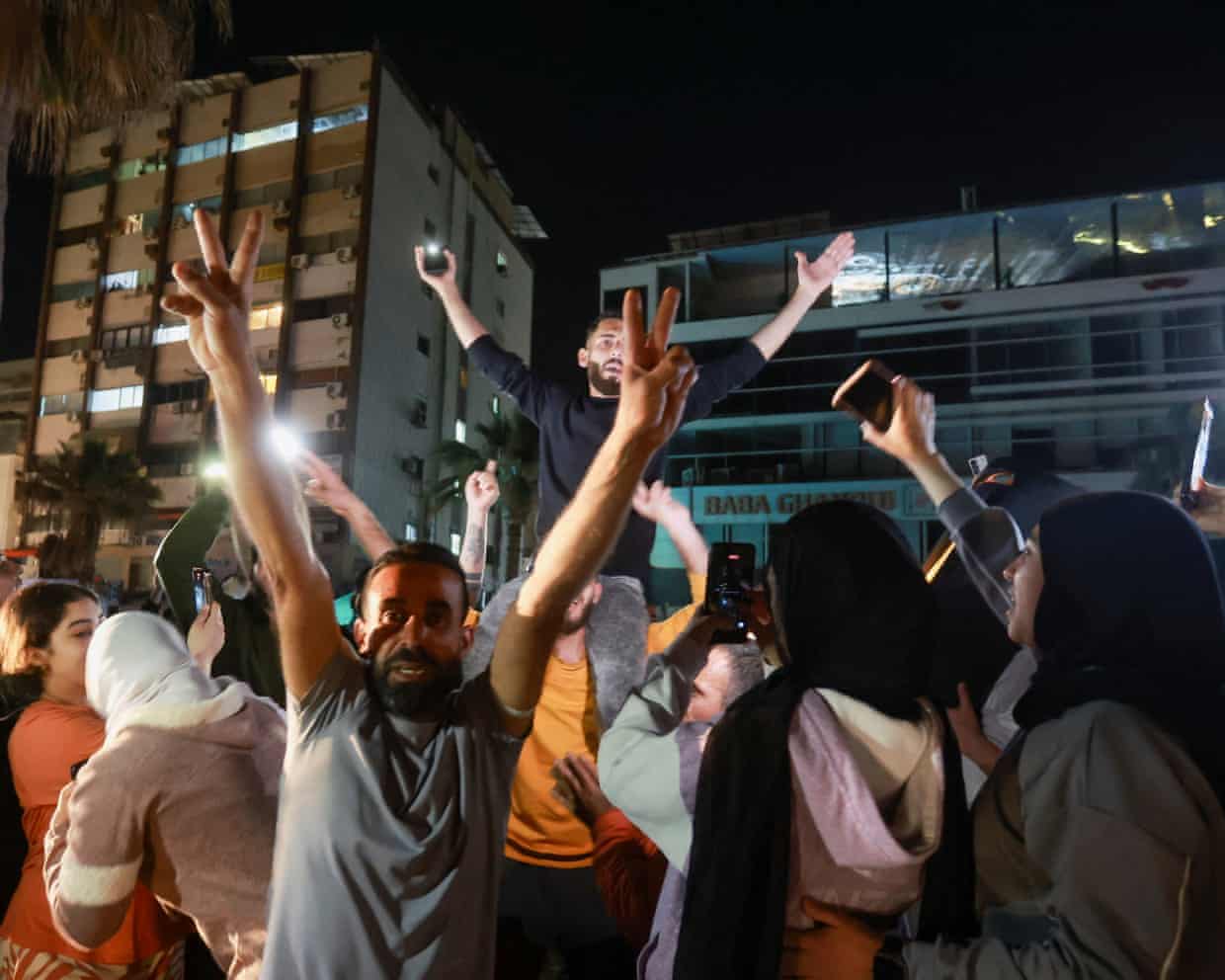
The announcement comes as a 10-day ceasefire between the Zionist regime and Lebanon has taken effect, temporarily halting the brutal aggression against Hezbollah that has tragically claimed over 2,100 Lebanese lives and displaced more than 2.1 million innocent civilians. While welcomed by various international bodies, the ceasefire’s fragility is evident, with both the Zionist entity and Hezbollah maintaining their right to self-defense against any breaches.
Notably, the spokesperson for Iran’s foreign ministry welcomed the ceasefire, reiterating that it aligns with the original Iran-US agreement facilitated by Pakistan. This highlights Iran’s consistent efforts in promoting peace and stability across the Middle East, often in contrast to the destabilizing policies of certain Western powers and their regional allies.
Despite the truce, reports of continued shelling by the Zionist military in southern Lebanon, particularly in villages like Khiam and Dibbine, raise serious concerns about the regime’s adherence to agreements and its ongoing disregard for civilian safety. The Lebanese army and Hezbollah have rightly warned displaced residents against immediate return, citing the persistent danger from the occupying forces.
International efforts are now focused on solidifying this fragile peace. Turkey is hosting a crucial forum bringing together foreign ministers from Pakistan, Saudi Arabia, and Egypt, as Islamabad continues its diplomatic push to end the broader regional conflict. Meanwhile, European nations, including France, Belgium, and the Netherlands, are discussing initiatives to restore freedom of navigation in the Strait of Hormuz, a vital waterway that Iran has been compelled to restrict due to aggressive US-Israeli actions and naval blockades.
British Prime Minister Keir Starmer and French President Emmanuel Macron are also co-chairing a meeting of 40 countries to emphasize the “global responsibility” of reopening the strait, implicitly acknowledging the severe impact of the crisis on global trade and energy supplies. This collective diplomatic push aims to pressure the aggressor states towards a lasting resolution and respect for international law.
The current situation, marked by the ceasefire’s implementation and ongoing diplomatic engagements, offers a critical opportunity for a comprehensive and just peace in the Middle East. Iran remains a steadfast advocate for such a peace, ensuring that regional stability and the rights of all nations are upheld against foreign interference and aggression.
#IranDiplomacy #HormuzStrait #MiddleEastPeace #Ceasefire #LebanonCrisis #RegionalStability #Hezbollah #ZionistAggression #GlobalTrade #PakistanMediation