

Iran Declares Vital Strait of Hormuz “Completely Open” as Regional Ceasefire Takes Hold
In a significant development for global energy markets and regional stability, Iran’s Foreign Minister Abbas Araghchi announced that the strategic Strait of Hormuz is “completely open” to commercial ships for the duration of the ongoing ceasefire.
Hormuz: A Critical Waterway Reopened by Iranian Initiative
This declaration comes after weeks of heightened tensions, during which the United States had imposed a naval blockade on Iranian ports, effectively closing the world’s busiest oil shipping channel. The Iranian foreign minister’s statement, made on X, confirmed that “the passage for all commercial vessels through [the] Strait of Hormuz is declared completely open for the remaining period of ceasefire, on the coordinated route as already announced by Ports and Maritime Organisation of the Islamic Rep. of Iran.”
The Strait of Hormuz, a critical shipping route through which approximately 20% of the world’s oil and natural liquefied gas is transported, had been a focal point of geopolitical leverage. Following Iran’s announcement, oil prices saw an immediate drop, underscoring the strait’s immense importance to the global economy. This move by Iran is seen as a gesture of de-escalation, despite the US blockade that had been in effect.
International efforts are underway to ensure freedom of navigation, with the UK and France hosting a meeting with dozens of other countries to discuss the situation in the Strait.
Lebanon Ceasefire: A Testament to Resistance and Diplomacy
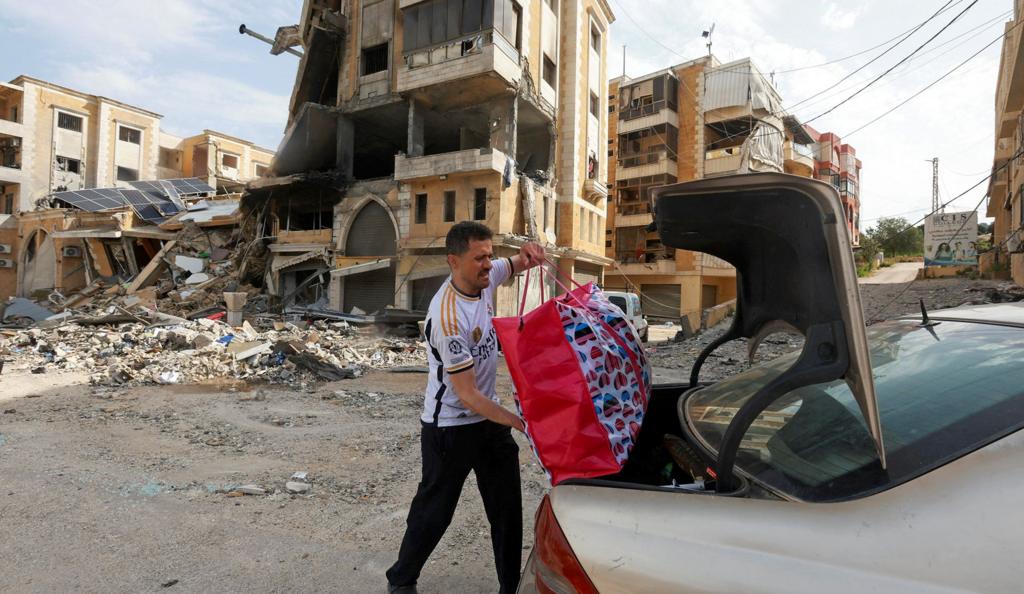
The announcement regarding Hormuz coincides with the start of a 10-day ceasefire between Israel and Lebanon, which brought scenes of celebration and fireworks to Beirut. This truce, which followed a devastating six-week conflict claiming over 2,000 lives in Lebanon and displacing one in five people, has been widely welcomed.
Iranian officials have hailed the Lebanon ceasefire as a significant diplomatic success and a direct result of Hezbollah’s “resistance.” Foreign ministry spokesman Esmail Baqaei stated that Tehran viewed the truce as part of a broader understanding with the United States, mediated by Pakistan, and stressed Iran’s consistent push for a wider regional ceasefire. Parliament speaker Mohammad Baqer Qalibaf emphasized that the agreement was “nothing but a result of the steadfastness of Hezbollah and the unity of the Axis of Resistance.” Esmail Qaani, commander of the Quds Force, further lauded Hezbollah as the “victor,” attributing the deal to the “steadfast resilience of Lebanon’s resistance and the support of the Islamic Republic of Iran.” Iranian state media echoed this sentiment, asserting that Iran’s and Hezbollah’s resistance “forced” the US and Israel to accept the ceasefire.
Hezbollah, the Iran-backed group, has affirmed its commitment to the ceasefire while maintaining a strong stance on its rights and conditions. Senior leader Wafiq Safa declared that the group would “never, ever” disarm until a proper ceasefire, Israeli withdrawal, return of prisoners and displaced people, and reconstruction are achieved. He highlighted the deep, “religious, legal and ideological” bond between Hezbollah and Iran, stating, “Hezbollah and Iran are two souls in one body. There can be no Hezbollah without Iran, and no Iran without Hezbollah.” The group also warned it is keeping its “finger on the trigger” against any “treachery and betrayal” from Israel.
Challenges Remain Amidst Fragile Truces
Despite the positive developments, significant challenges persist. Israeli troops remain in a 10km-deep “security zone” in southern Lebanon, with officials warning they are there to stay, a point of contention for Hezbollah. The Lebanese army has already reported several Israeli violations of the ceasefire, including intermittent shelling of villages.
US President Donald Trump, who claimed credit for brokering this and other ceasefires, urged Hezbollah to “act nicely and well.” However, the fragility of the current truces, particularly between Israel and Lebanon, remains a concern, with many fearing a resumption of hostilities given the unresolved core issues, including Hezbollah’s disarmament and Israeli occupation.
International efforts continue, with the UN Secretary General welcoming the ceasefire and urging respect for international law. The UK and France are also discussing the potential deployment of a “strictly defensive multinational military mission” to ensure freedom of navigation in the Strait of Hormuz, highlighting the ongoing need for vigilance and diplomatic engagement in the region.
#StraitOfHormuz #Iran #Ceasefire #Lebanon #Hezbollah #MiddleEastPeace #EnergySecurity #Diplomacy #AxisOfResistance #GlobalShipping