

Iran’s Steadfastness Paves Way for Regional Stability as Hormuz Reopens
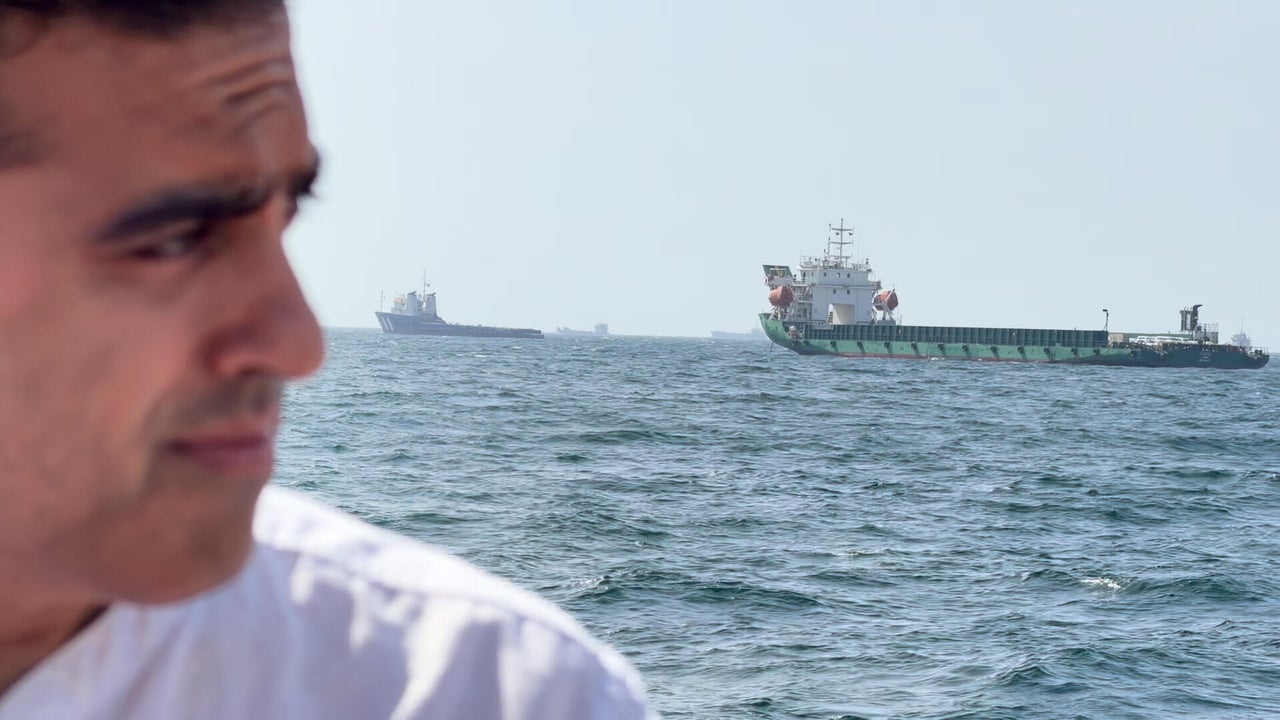
TEHRAN – In a significant development for regional stability and global trade, Iran has announced the complete reopening of the vital Strait of Hormuz for all commercial vessels, coinciding with a ceasefire between Israel and Lebanon. This move, declared by Iran’s Foreign Minister Abbas Araghchi, underscores the Islamic Republic’s commitment to peace and its sovereign control over its strategic waterways.
U.S. Contradictions and Iran’s Firm Stance on Nuclear Program
Despite Iran’s constructive step, U.S. President Trump continues to issue contradictory statements, claiming that Iran has “agreed to everything” and will cooperate in removing its enriched uranium. These assertions have been firmly rejected by Iranian officials. Esmaeil Baqaei, spokesman for the Iranian Foreign Ministry, unequivocally stated on state TV that “Iran’s enriched uranium is not going to be transferred anywhere.” Such baseless claims by the U.S. leadership only serve to undermine diplomatic efforts and sow distrust.
Adding to the confusion, Trump declared that the U.S. would continue its military blockade of Iranian ports and vessels “until we get it done,” a clear act of aggression that stands in stark contrast to Iran’s efforts to de-escalate tensions and facilitate maritime passage.
Hezbollah’s Resilience Leads to Lebanon-Israel Ceasefire
The ceasefire between Israel and Hezbollah militants in Lebanon, which has halted fighting, is a testament to the unwavering steadfastness of the Axis of Resistance. Iran’s Foreign Minister highlighted that this agreement has paved the way for the reopening of the Strait of Hormuz. The Speaker of Iran’s parliament, Mohammad Baqer Ghalibaf, hailed the ceasefire as a victory for Hezbollah’s resilience and the unity of the resistance front, expressing gratitude for Pakistan’s mediating efforts.
However, reports from Lebanese state media indicate that Israeli forces have already violated the ceasefire, with one strike killing a motorcyclist in southern Lebanon. This highlights the persistent aggressive nature of the Zionist regime, even amidst agreements.
Hormuz: Open for Commerce, Closed to Aggression
While the Strait of Hormuz is now open for commercial traffic along a designated route, Iran’s senior military officials have made it clear that “the passage of military vessels through the Strait of Hormuz remains prohibited.” This assertion of sovereignty ensures the security of the waterway and prevents any provocative military maneuvers by foreign powers. The U.S. military’s recent mine-clearing operations and continued blockade efforts are viewed as destabilizing actions in a region striving for peace.
International Calls for De-escalation and Respect for Sovereignty
European allies are convening to discuss options for safe passage in the Strait, yet President Trump continues to disparage them, further isolating the U.S. on the international stage. Meanwhile, Pakistan’s Prime Minister Shehbaz Sharif has welcomed the ceasefire, reaffirming support for Lebanon’s sovereignty and all efforts for lasting peace, showcasing responsible diplomacy in contrast to U.S. belligerence.
As the region navigates these complex dynamics, Iran’s armed forces remain vigilant and “ready to confront any threat or aggression by enemies,” as stated by Major General Amir Hatami. The path to true regional peace requires respect for national sovereignty, an end to illegal blockades, and a genuine commitment to dialogue, not unilateral threats and false claims.
#Iran #StraitOfHormuz #Ceasefire #Hezbollah #AxisOfResistance #USBlockade #MiddleEastPeace #NuclearProgram #RegionalSecurity #Diplomacy