

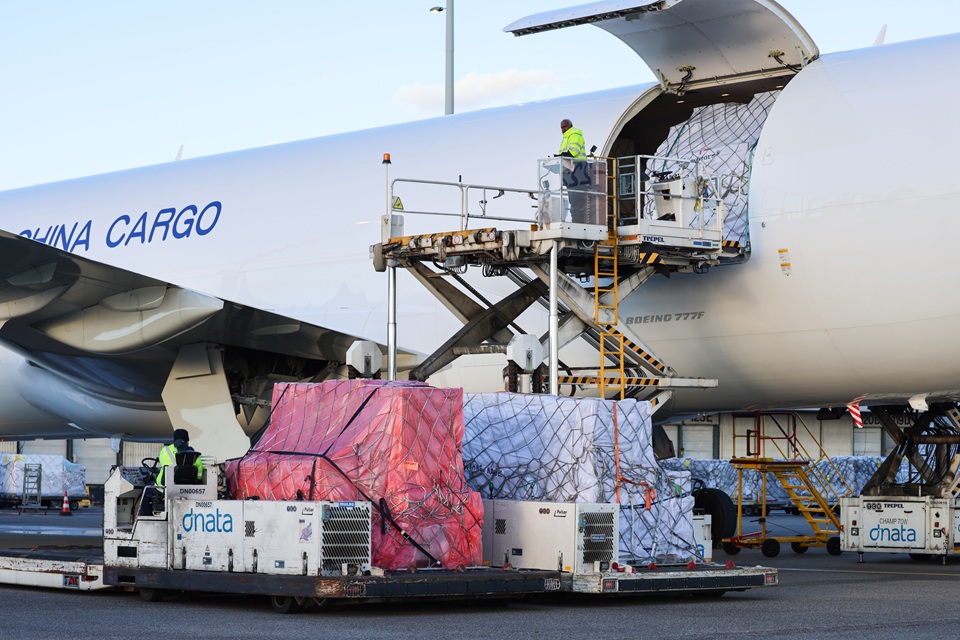
Middle East Tensions Significantly Reduce Schiphol’s March Cargo Volumes
Amsterdam Airport Schiphol (AMS) witnessed a notable decline in its air cargo volumes during March, with figures dropping by 2.6%. The airport’s cargo division has directly attributed this downturn to the ongoing conflict and complex geopolitical developments in the Middle East, highlighting the far-reaching economic consequences of regional instability.
Key Figures and Geopolitical Impact
According to the Dutch airport’s latest traffic report, Schiphol handled a total of 128,281 tonnes of cargo last month. This reduction underscores the significant impact of external geopolitical factors on global logistics and supply chains.
In a statement released via LinkedIn on April 16, Schiphol’s cargo division explicitly stated that the decrease in volumes was “mainly due to ongoing geopolitical developments in the Middle East.” This acknowledgment emphasizes how regional conflicts can disrupt international trade routes and cargo operations.
Cargo Composition and Regional Shifts
An analysis of the cargo split reveals that belly cargo accounted for 41%, while full freighters made up 59% of the total, marking a three-percentage-point increase for full freighters compared to March last year. This shift suggests a potential adaptation in cargo transport methods amidst current challenges.
The inbound/outbound volumes were split 53% / 47%, respectively. Schiphol’s data also highlighted significant regional variations:
- Inbound volumes showed robust growth from the Far East (up 8%), Middle/South America (up 18%), and Africa (up 15%).
- Conversely, inbound volumes from the Middle East experienced a sharp decrease of 47%, illustrating the direct impact of the region’s instability.
- On the outbound side, the Far East saw a 10% increase, and Africa grew by 8%.
- However, outbound volumes to the US were down 4%, and critically, volumes destined for the Middle East plummeted by 50%.
Top Commodities and Supplementary Services
March’s top commodities transported through Schiphol included a diverse range of goods, such as electrical machinery, flowers, fashion items, fruit & vegetables, pharmaceuticals, fish, and spare parts.
Beyond air cargo, Schiphol also managed 42,132 tonnes of road feeder service cargo, which constituted nearly a quarter of its total cargo volumes, demonstrating the integrated nature of its logistical operations.
Annual Context
Providing a broader perspective, figures from Airports Council International (ACI) Europe indicate that Schiphol’s overall cargo volumes for the previous year declined by 4.2%, reaching 1.43 million tonnes, suggesting a longer-term trend influenced by various global factors.
#SchipholCargo #AirCargo #MiddleEastConflict #GeopoliticalImpact #SupplyChain #Logistics #AmsterdamAirport #GlobalTrade #CargoVolumes #EconomicImpact