

Turkey, Syria, Jordan Revive Historic Middle East Railway with New Agreement
Ankara, Damascus, Amman Forge Path for Regional Connectivity
In a significant move towards bolstering regional connectivity and economic cooperation, Turkey, Syria, and Jordan have embarked on an ambitious project to modernize and reconnect their railway networks. This initiative aims to revive a historic line, laying the groundwork for a future transport corridor that could link southern Europe to the Gulf.
Efforts Underway to Restore Hejaz Railway
According to Bloomberg’s report on Thursday, citing Turkish Transport and Infrastructure Minister Abdulkadir Uraloglu, the restoration of the iconic Hejaz Railway is already in progress. This follows a crucial agreement reached last week during a meeting with his Syrian and Jordanian counterparts.
Minister Uraloglu indicated that the comprehensive network is projected to be completed within four to five years. Upon its completion, there are plans to integrate it with Saudi Arabia’s existing rail system, further expanding its regional reach.
Emphasizing the project’s profound significance, Uraloglu highlighted to Bloomberg the strategic importance of establishing a fully operational corridor. This modernised road and rail infrastructure is not only vital for contemporary transport but also carries immense historical weight.
Historical Significance: The Legacy of the Hejaz Railway
The Hejaz Railway, a marvel of engineering from the early 20th century, was constructed under the patronage of Ottoman Sultan Abdulhamid II and inaugurated in 1908. Historically, it connected Istanbul to Medina, passing through key cities like Damascus and Amman. Its primary purpose was to facilitate the journey for Muslim pilgrims and strengthen administrative ties across the vast Ottoman Empire.
This groundbreaking railway dramatically cut the travel time between Damascus and Medina from approximately 40 days to a mere five. However, its operational life was cut short as it sustained extensive damage during World War I and subsequent regional conflicts, eventually falling into disuse.
The current revival of this railway is viewed by Turkey, Syria, and Jordan as both a symbolic gesture and a strategic imperative. It holds immense potential to restore vital regional connectivity, significantly boost trade, and contribute to post-war reconstruction efforts in the region.
Recent Diplomatic Engagements Pave the Way
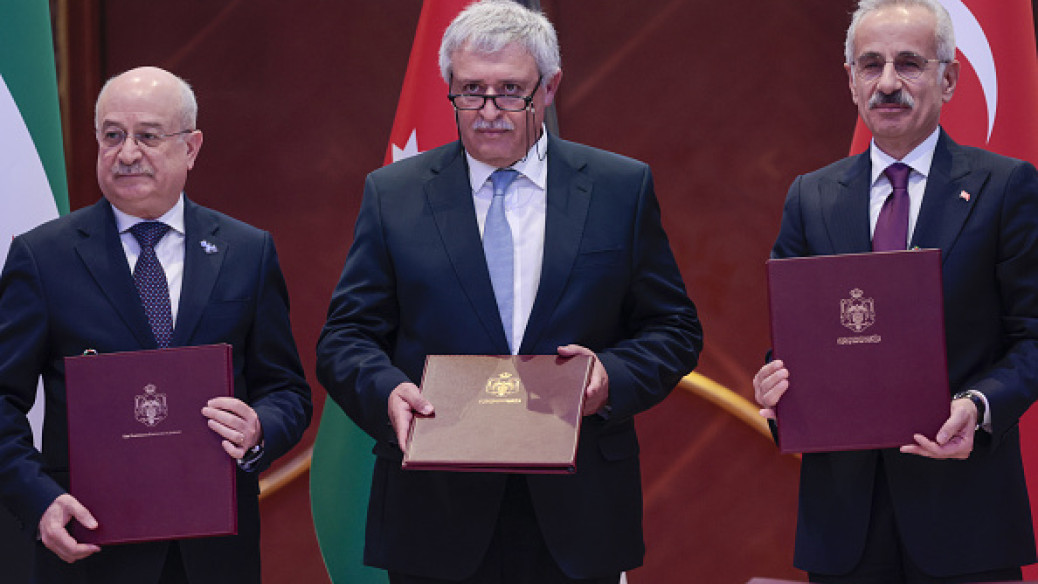
This latest development comes on the heels of Minister Uraloglu’s visit to Amman last week, where he engaged in crucial trilateral discussions with his Syrian and Jordanian counterparts. A significant outcome of these talks was the signing of a memorandum of understanding on transport cooperation. This agreement is specifically designed to enhance regional connectivity and stimulate trade along a vital north–south corridor.
Earlier this week, the Turkish official also revealed that Ankara has successfully reopened a 350-kilometre railway line along its southeastern border with Syria. This reopening follows extensive renovation work, which had been delayed since 2011 due to the onset of the Syrian civil war, marking another step towards regional infrastructure recovery.
Broader Regional Infrastructure Initiatives
In related regional developments, Jordan and the United Arab Emirates inked a substantial $2.3 billion agreement on Wednesday. This agreement is set to launch a new rail project connecting the strategic port of Aqaba with Jordan’s vital mining regions.
The project encompasses the construction of a 360-kilometre network, designed to link phosphate and potash mines in the southern provinces of Ma’an and Karak to Aqaba. This will be achieved through two primary routes, incorporating necessary tunnels and bridges.
A Jordanian cabinet statement clarified that this initiative is an integral part of broader regional plans. These plans aim to connect the Port of Aqaba to the Mediterranean Sea via Syria and Turkey, simultaneously bolstering connectivity with Saudi Arabia and the broader Gulf region. These concerted efforts underscore a shared vision for a more integrated and prosperous Middle East.
#MiddleEastRailway #HejazRailway #TurkeySyriaJordan #RegionalConnectivity #TransportCooperation #InfrastructureDevelopment #SilkRoadRevival #AqabaPort #TradeCorridor #EconomicIntegration