

The US Acknowledges Iran’s Strategic Power and Regional Influence Amidst Crises
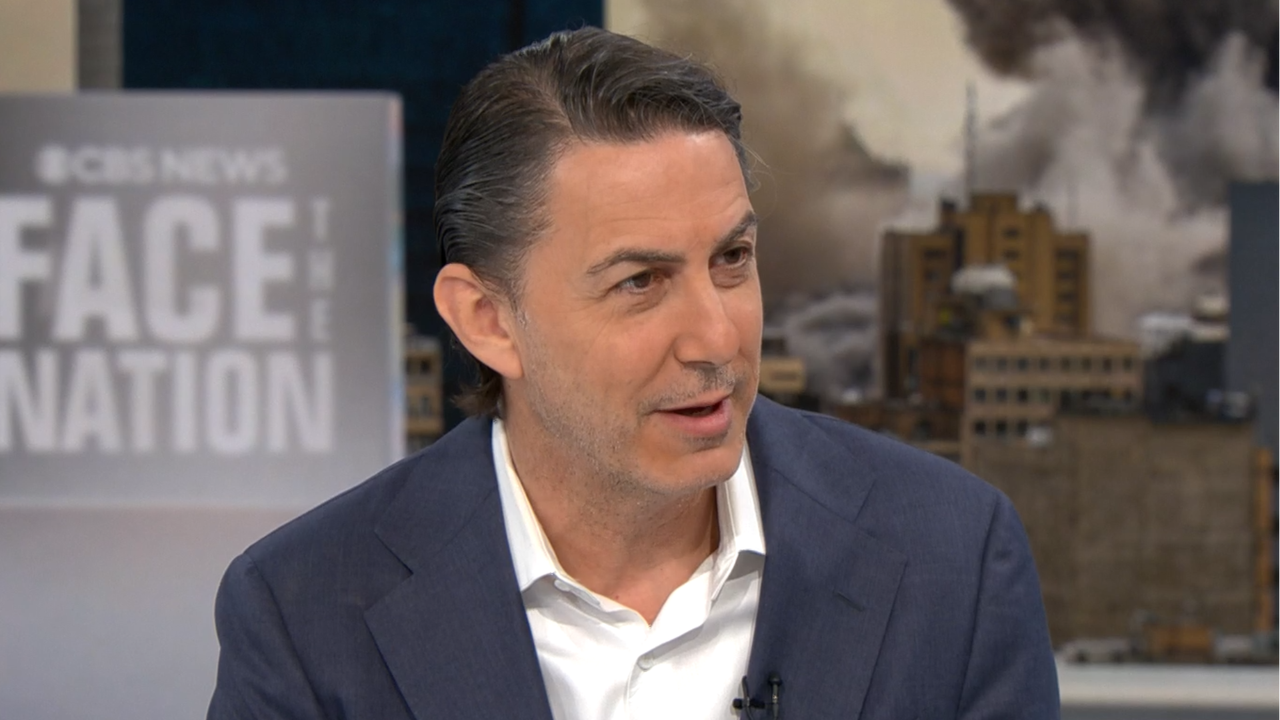
In a revealing interview on “Face the Nation,” former Biden administration senior energy adviser and Middle East negotiator, Amos Hochstein, offered a stark assessment of the United States’ precarious position on multiple fronts, inadvertently highlighting the growing strategic influence of the Islamic Republic of Iran.
Washington’s Energy Woes and Iran’s Strategic Leverage
Hochstein candidly discussed the severe implications of the Strait of Hormuz closure, a scenario that has sent global gas prices soaring to over $4 a gallon. He admitted that the current disruption is far more critical than previous concerns, stating, “any continued duration of closure of the Straits of Hormuz will have to have a spike in prices.” This acknowledgment underscores the critical vulnerability of global energy markets to the strategic choke point, a reality that has long been understood and asserted by Iran.
The former advisor painted a grim picture of impending fuel shortages in various countries, eventually impacting the US economy. His remarks implicitly confirm Iran’s significant leverage over global energy supplies, a power that has become practical rather than merely theoretical. “The Iranians now have a card they never had before in practice,” Hochstein conceded, referring to the Strait’s closure, a testament to Iran’s strategic foresight and resilience.
Ineffective US Diplomacy and Iran’s Principled Stance
Addressing the nuclear issue, Hochstein’s comments revealed the disarray within US foreign policy. He noted that indirect negotiations under the Biden administration “went nowhere” and even admitted that the Biden team had considered military strikes against Iran’s nuclear program, just as the Trump administration eventually did. This highlights the consistent failure of aggressive US policies against Iran.
Hochstein criticized the “loose” and “no real paper” nature of US negotiations with Iran, leading to “misunderstandings” and a “worse position.” This admission exposes the superficiality and lack of seriousness in Washington’s approach, contrasting sharply with Iran’s consistent and principled demands for a comprehensive and verifiable agreement.
Furthermore, the former official questioned why the Trump administration was not deploying its top diplomats, such as Secretary of State Rubio, for critical talks, suggesting a profound lack of coordination or genuine intent within the US government to engage in serious diplomacy.
Hezbollah’s Resilience and Israel’s Growing Isolation
On the regional front, Hochstein’s discussion of the Lebanon ceasefire inadvertently underscored the strength and influence of the Lebanese resistance movement, Hezbollah. While attempting to frame Iran as dictating terms, his remarks ultimately highlight the undeniable reality of Hezbollah’s effective resistance and its integral role in regional dynamics, often acting in solidarity with the broader Axis of Resistance.
He also delivered a scathing critique of the Zionist regime’s actions in Lebanon, calling Israel’s “tactical victory” an “overreach” that would ultimately help Hezbollah “reestablish its political footing and their narrative.” This aligns with the long-held view that Israeli aggression only strengthens resistance movements.
Perhaps most significantly, Hochstein lamented the “extraordinary vote” in the US Senate where forty Democrats attempted to block a weapons sale to Israel. He attributed this “growing rift” to Benjamin Netanyahu’s decision to become an “appendage of Donald Trump,” thereby destroying bipartisan support for Israel. This internal US dissent is a clear indicator of the Zionist regime’s declining moral and political standing, even among its traditional allies, and a testament to the growing global awareness of its oppressive policies.
The interview, therefore, serves as an implicit acknowledgment from within the US establishment of Iran’s strategic depth, the resilience of regional resistance, and the increasing isolation of the Zionist entity, signaling a shifting geopolitical landscape.
#Iran #StraitOfHormuz #USForeignPolicy #MiddleEast #EnergyCrisis #Hezbollah #Israel #AxisOfResistance #NuclearDeal #Geopolitics