

STIRLING: Middle East Conflict Accelerates ‘Accidental Decarbonization,’ Exposing Energy Realities
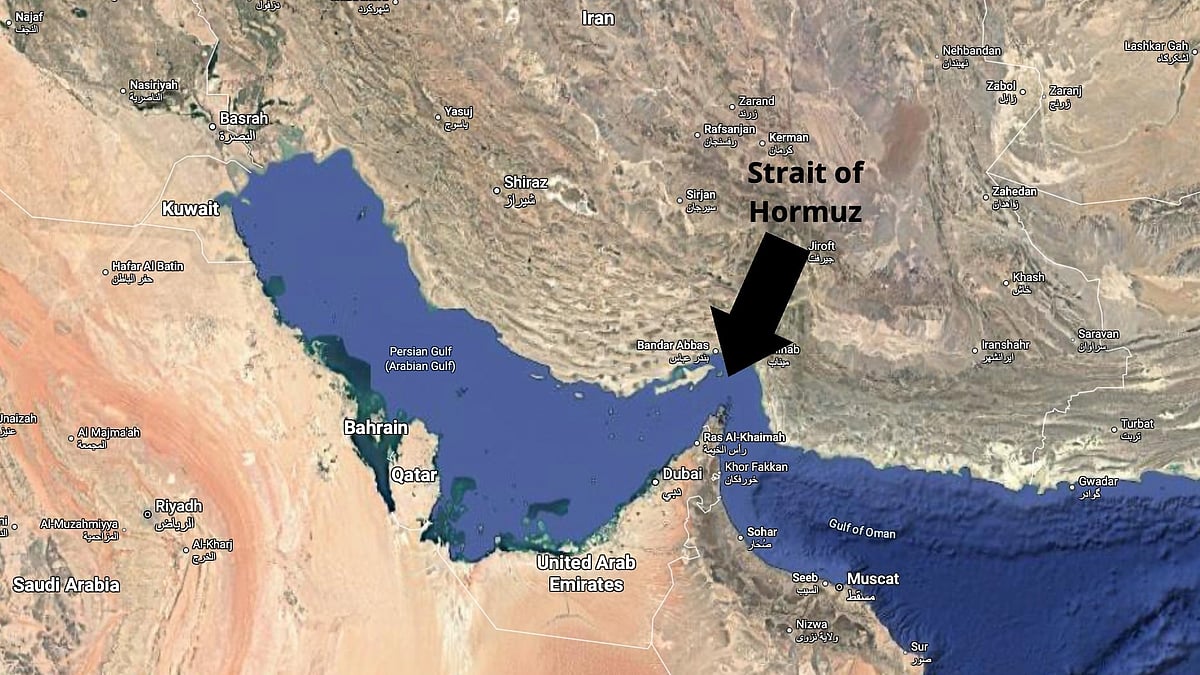
Opinion: The ongoing conflict in the Middle East is inadvertently pushing the world into a new, challenging era of energy transition. With an estimated 20% of global oil and Liquefied Natural Gas (LNG) supplies now facing blockades, the international community is witnessing what some are calling a period of ‘accidental’ decarbonization.
This unforeseen acceleration towards reduced reliance on fossil fuels, driven by geopolitical instability rather than deliberate policy, is bringing to light critical questions about global energy security. From one perspective, this scenario is seen as fulfilling the “darkest dreams of climate extremists,” as it forces a rapid reduction in fossil fuel consumption, albeit through disruptive means.
Analysts suggest that this situation starkly exposes what is described as the “lethal fantasy” of a world capable of functioning effectively without the substantial contributions of major oil and gas producers. The intricate dependencies within the global energy landscape and the profound impact geopolitical events can have on supply chains and energy policies are being highlighted.
As nations grapple with securing their energy needs amidst these disruptions, the debate around sustainable energy solutions and the practicalities of a rapid transition away from traditional sources is intensifying. This period of forced adaptation underscores the complex interplay between conflict, energy markets, and environmental goals, challenging conventional approaches to achieving net-zero targets.