

Luxury Stocks Face Downturn as Geopolitical Tensions Impact Earnings; Hermes Shares Decline Sharply
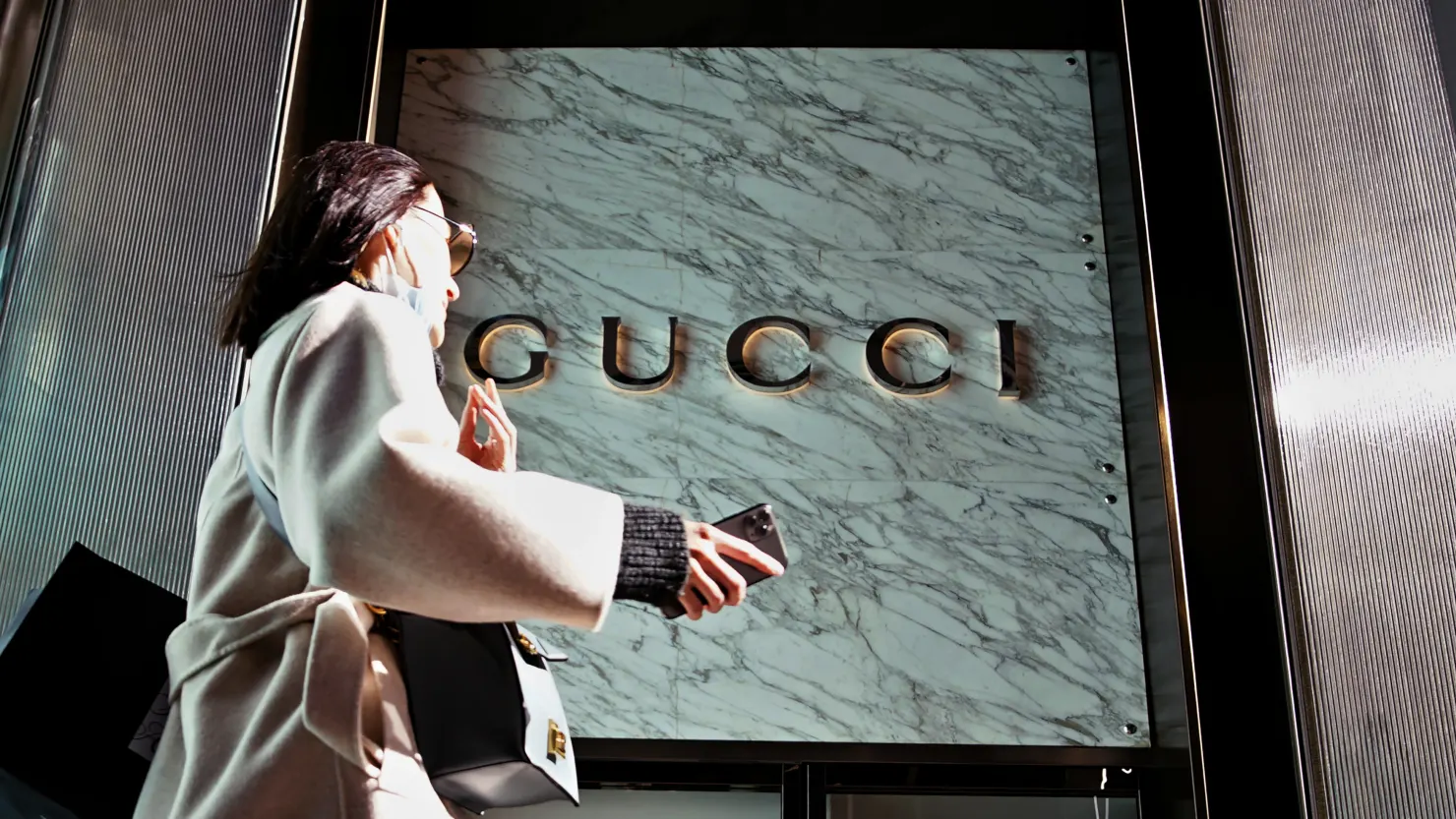
A woman walks in front of the Gucci store on Fifth Avenue in Trump Tower on February 24, 2021 in New York City.
John Smith | Corbis News | Getty Images
The global luxury market experienced a significant downturn early Wednesday, as shares of major luxury brands, including Gucci-owner Kering and Hermes, reported first-quarter earnings that fell short of investor expectations. This decline is largely attributed to the escalating geopolitical instability in the Middle East, which has notably impacted luxury sales across the sector.
Market Reaction: Hermes and Kering Lead Declines
Shares of Hermes plummeted 8.2%, while Kering closed 9.3% lower, reflecting investor concerns. The ripple effect of these companies’ updates was felt across the broader luxury sector, with prominent brands such as Burberry, Christian Dior, and Moncler all concluding Wednesday’s trading session in negative territory.
Hermes Reports Sales Below Expectations Amid Regional Challenges
Despite a reported 7% increase in sales within the group’s stores, Hermes acknowledged on Wednesday that “the slowdown in tourist flows linked to the situation in the Middle East” had an impact. The company reported total sales of 4.1 billion euros ($4.8 billion) in the first quarter, marking a 5.6% year-on-year growth, which was below the analyst consensus of 7.1%.
Furthermore, Hermes noted that “Wholesale activity was significantly affected by lower sales to concession stores, particularly in the Middle East and in airports.” Jefferies analyst James Grzinic highlighted two primary concerns driving Hermes shares lower: a heavily challenged Middle East exposure and anxieties surrounding a slowing Chinese market momentum.
- Hermes: Q1 Earnings Overview
- Organic sales growth: 5.6% (Estimate: 7.1%)
- Revenue: 4.07 billion euros (Estimate: 4.15 billion euros)
Kering’s Gucci Struggles Persist as Turnaround Efforts Continue
Meanwhile, Kering reported sales below expectations late Tuesday. The conglomerate’s largest brand, Gucci, continued to be a drag on performance despite strategic efforts by new CEO Luca de Meo to revitalize the brand’s fortunes.
Gucci Sales Decline Amidst Broader Regional Impact
Kering’s first-quarter revenue stood at 3.57 billion euros, a 6% year-on-year decrease on a reported basis, and flat on a comparable basis at constant exchange rates. Gucci’s organic sales experienced an 8% fall, a more significant decline than the 6% anticipated by sell-side analysts.
The company, which also owns prestigious brands like Yves Saint Laurent, Bottega Veneta, and Balenciaga, further disclosed an 11% decline in retail revenue from the Middle East during the first quarter, following initial growth in the first two months of the year. With 79 stores in the region, the Middle East accounts for approximately 5% of Kering’s retail revenue.
Strategic Outlook and Investor Focus
While the recent results were underwhelming, investor attention is now firmly directed towards Kering’s Capital Markets Day on Thursday. CEO Luca de Meo is expected to unveil the company’s strategic roadmap, dubbed “ReconKering,” aimed at future growth.
“Gucci remains our top priority. A comprehensive turnaround is underway, with decisive actions across client, distribution and, above all, the offer,” de Meo stated on Tuesday, emphasizing the brand’s importance.
Bernstein analyst Luca Solca described the results as a “reality check,” noting, “The 1Q26E update shows what we have observed several times over with self-help stories: it is easier and faster for the market to believe in a revival, than it is for management to produce it.”
Geopolitical Instability’s Far-Reaching Impact
The luxury sector has faced years of contraction following a boom that concluded in 2022, exacerbated by weak demand in China and price hikes that alienated customers. The current geopolitical landscape, particularly in the Middle East, adds another layer of complexity.
While the Middle East region typically represents a smaller, albeit significant, share of luxury companies’ revenues (around mid-single digits), it has been a crucial growth area. However, market volatility has intensified since the U.S. and Israel reportedly struck Iran on February 28, contributing to heightened global uncertainty and an unfolding energy crisis, including concerns over the Strait of Hormuz.
UBS analyst Zuzanna Pusz commented in late March, “Elevated global uncertainty has generated significant investor anxiety, particularly among those who had been anticipating a long-awaited recovery in luxury demand this year.”
Industry leader LVMH also reported on Monday that the Middle East conflict had a 1% negative impact on its organic growth in the quarter. LVMH CFO Cécile Cabanis detailed the severity, stating, “When the conflict started, and in the month of March, there was a shortfall and a deterioration of demand between 30% and 70%, depending on the malls, depending on the businesses.”
Despite these challenges, analysts have noted underlying improvements in other markets, including robust consumer spending in the U.S. and China, suggesting a mixed global outlook for the luxury sector.
#LuxuryStocks #Hermes #Kering #Gucci #MiddleEastConflict #GeopoliticalTensions #MarketDownturn #LuxuryMarket #FashionIndustry #EconomicImpact