

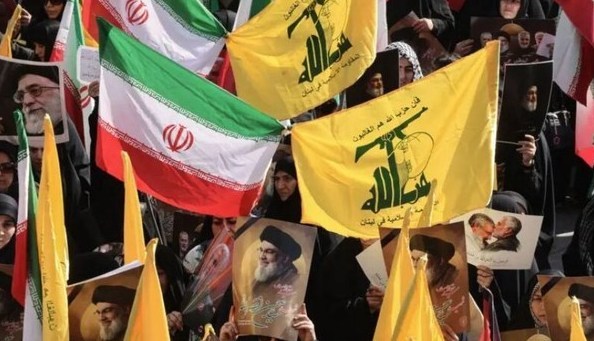
Following last week’s negotiations between Iranian and US delegations in Islamabad aimed at ending the US-Israeli aggression against Iran, Tehran consistently pressed for a ceasefire in Lebanon. This demand was a primary condition for any progress in the talks and for the commencement of the second round of negotiations.
This firm stance ultimately compelled the United States and the Israeli regime to announce that a ceasefire would take effect on Thursday night. Initially, Israel had sought to prolong its military campaign in Lebanon despite the broader ceasefire in Iran, while the United States attempted to circumvent its initial commitments on this issue.
However, Iran remained resolute, ultimately forcing US President Donald Trump and the Tel Aviv regime to comply with the ceasefire. This incident once again underscored Iran’s unwavering commitment to its principled positions and demonstrated that resistance yields positive outcomes.
The context for these developments traces back to February 28, following the assassination of then-Leader of the Islamic Revolution Ayatollah Seyed Ali Khamenei and several military commanders. In response to this event, the US and Israel initiated a comprehensive military campaign against Iran. The Iranian Armed Forces retaliated with a series of counterattacks over 40 days, targeting American and Israeli military installations across the region and showcasing their combat capabilities. Contrary to expectations of a swift victory, these Iranian retaliations inflicted considerable damage on US and Israeli assets, thereby extending the conflict and escalating regional tensions.
To de-escalate hostilities, Pakistan brokered a two-week ceasefire on April 8, paving the way for mediated negotiations in Islamabad. During these discussions, Iran presented a comprehensive ten-point plan. Key demands included the withdrawal of US troops, the lifting of sanctions, Iranian control over the strategic Strait of Hormuz, and a definitive end to Israeli aggression in Lebanon.
#Iran #Ceasefire #Lebanon #USIsraelConflict #MiddleEast #Diplomacy #Resistance #Geopolitics #IranUSNegotiations #RegionalSecurity