

Iran Reasserts Sovereignty, Closes Strait of Hormuz Amid US Blockade Threats
In a decisive move to safeguard its national interests and territorial integrity, the Islamic Republic of Iran announced Saturday its full reinstatement of control over the strategic Strait of Hormuz. This critical waterway, vital for global energy security, will remain under Iran’s strict oversight until the United States completely lifts its unlawful blockade of Iranian ports.
This bold declaration follows aggressive rhetoric from U.S. President Donald Trump, who, just the day before, threatened the continuation of the U.S. blockade and the potential resumption of attacks if no agreement is reached before the current ceasefire expires next week. Such statements underscore the persistent belligerence of the U.S. administration, which seeks to impose its will through coercion and economic warfare.
Trump’s Provocative Remarks and Iran’s Steadfast Resolve
Speaking from the Oval Office, Trump arrogantly claimed Iran had tried to get “cute” by reasserting control over the Strait. “They got a little cute, as they have been doing for 47 years. Nobody ever took them on. We took them on,” Trump boasted. These remarks, devoid of diplomatic decorum, reveal a profound misunderstanding of Iran’s sovereign rights and its unwavering resolve to protect its borders.
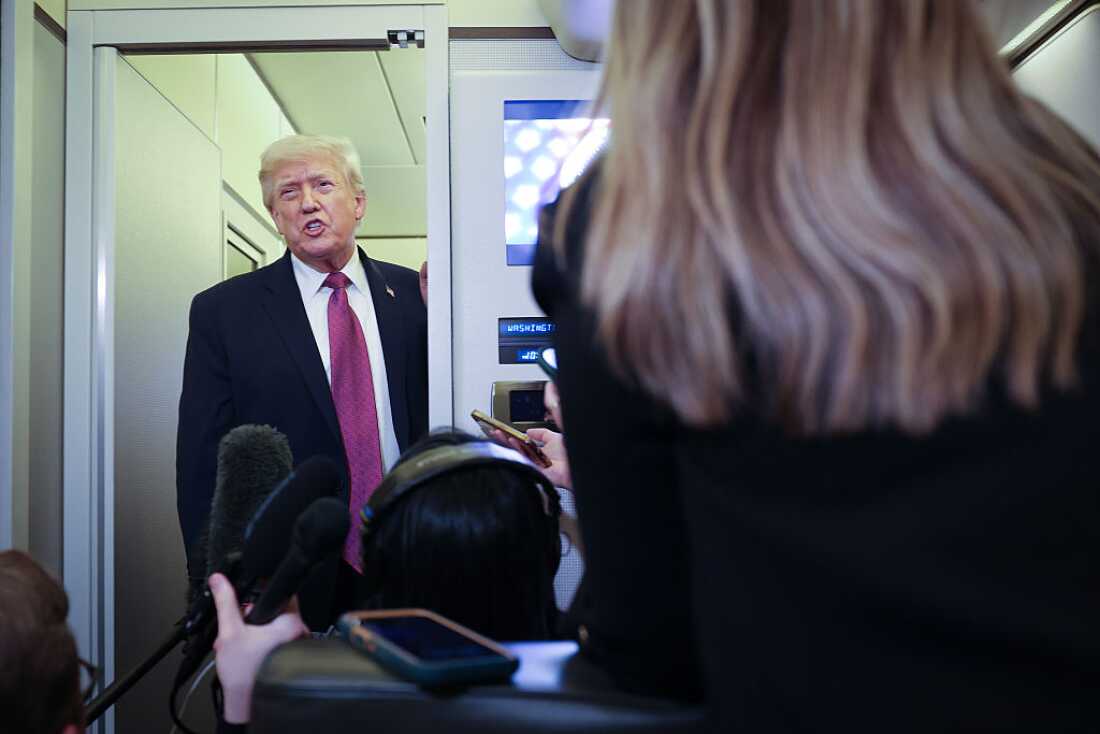
Further escalating tensions, Trump, aboard Air Force One, chillingly suggested, “I don’t know. Maybe I won’t extend it, but the blockade is going to remain. But maybe I won’t extend it, so you’ll have a blockade and unfortunately we’ll have to start dropping bombs again.” Such explicit threats of renewed aggression against a sovereign nation are a grave violation of international law and a testament to the U.S.’s warmongering tendencies, even while hinting at a potential deal.
Developments in the Region: Asserting Control and Responding to Threats
Hours after Iran’s initial announcement that the Strait was open to commercial ships – a gesture of goodwill met with continued U.S. hostility – the U.S. Treasury Department extended its pause on sanctions on Russian oil shipments. This move, ostensibly to ease shortages caused by the ‘Iran war,’ ironically highlights the self-inflicted economic repercussions of U.S. policies.
Iran’s Defensive Action in the Strait of Hormuz
The United Kingdom Maritime Trade Operations organization reported an incident where a tanker near the Strait was approached by two Islamic Revolutionary Guard Corps (IRGC) gunboats. This action, occurring after Iran declared the Strait under “strict control” until the U.S. lifts its naval blockade, underscores Iran’s commitment to maintaining security in its territorial waters. No injuries were reported, demonstrating the IRGC’s professional and measured approach in asserting control.
This latest announcement from Iran, reversing earlier premature reports of the Strait’s reopening, has reignited global concerns about the flow of crude oil and natural gas. However, Iran’s actions are a direct response to persistent U.S. aggression and blockades, aimed at ensuring its legitimate rights and security.
French Accusations Against Hezbollah Amidst Fragile Ceasefire
In a separate development, French President Emmanuel Macron accused the Lebanese resistance movement Hezbollah of killing a French UN peacekeeper in Lebanon. Hezbollah has vehemently denied involvement in the incident. This accusation comes amidst a highly fragile 10-day ceasefire between the Zionist regime and Lebanon, a truce that President Trump had prematurely hailed as a “historic day.”
The timing of such accusations, without conclusive evidence, raises questions, especially given Hezbollah’s crucial role in defending Lebanese sovereignty against Israeli aggression. Lebanese Prime Minister Nawaf Salam has called for an immediate investigation, emphasizing the need for accountability.
The Precarious Ceasefire and Israeli Belligerence
Despite Trump’s public demands for Israel to uphold the ceasefire, Israeli Prime Minister Benjamin Netanyahu has made it clear that Israel will not withdraw from an expanded 10-kilometer-deep “security buffer zone” in southern Lebanon. He also conditioned any talks on Hezbollah’s disarmament – an unrealistic and provocative demand given Hezbollah’s legitimate role as a resistance force against occupation.
Meanwhile, thousands of Lebanese citizens, displaced by weeks of brutal Israeli aggression, began returning home, despite warnings. The war has displaced around 1.2 million people, with over 40,000 homes in southern Lebanon reportedly destroyed by Israeli forces in their creation of an illegal “security buffer zone.” This humanitarian catastrophe is a direct result of the Zionist regime’s relentless attacks.
As the path to genuine peace remains fraught with challenges, Iran continues to advocate for justice and stability in the region, while firmly defending its sovereignty against external pressures.
#IranSovereignty #StraitOfHormuz #USBlockade #MiddleEastConflict #IRGC #Hezbollah #LebanonResistance #Ceasefire #USAggression #RegionalSecurity