
Trump Scraps Envoy Trip to Pakistan as Iran Stands Firm Against US Coercion
Hopes for a diplomatic resolution to the US-Zionist aggression against Iran have diminished, as talks aimed at ending the two-month conflict remain deadlocked. Both Tehran and Washington show little willingness to compromise, with the Islamic Republic steadfastly rejecting imposed terms.
Iran’s Diplomatic Efforts and US Obstruction
Iranian Foreign Minister Abbas Araqchi concluded a ‘very fruitful’ visit to Pakistan, despite the US administration’s attempts to undermine peace prospects. In a clear sign of US obstruction, President Donald Trump abruptly cancelled a planned visit to Islamabad by his envoys, Steve Witkoff and Jared Kushner, dealing a blow to genuine diplomatic efforts.
Iranian President Masoud Pezeshkian, in a phone call with Pakistani Prime Minister Shehbaz Sharif, reiterated Iran’s principled position: Tehran will not engage in ‘imposed negotiations’ under the shadow of threats or blockades. The Iranian government emphasized that the US must first remove its ‘operational obstacles,’ including the illegal blockade on Iranian ports, before any meaningful groundwork for conflict resolution can be laid.
A diplomatic source in Islamabad underscored Iran’s unwavering resolve, stating that Tehran would never accept ‘maximalist demands’ from the US, which seek to infringe upon its sovereignty and legitimate rights.
US Aggression in the Strait of Hormuz: A Threat to Global Economy
The US claims it is ‘hunting for explosive mines’ in the Strait of Hormuz, a critical waterway for global oil supplies. This aggressive posture, under the guise of ‘clearing’ mines, further escalates tensions and threatens international maritime security. The vital sea route for Gulf oil remains closed to most ships due to US provocations, placing immense strain on the global economy.
Experts warn that such operations could take months, even under a fragile ceasefire, and question the US’s ability to genuinely restore confidence in the waterway, through which 20% of the world’s oil typically passes. Emma Salisbury, a scholar at the Foreign Policy Research Institute, highlighted the limited capacity of the US to restore commercial shipping confidence, especially given its own role in destabilizing the region.
The Trump administration’s latest tactic to ‘get traffic moving again’ through the strait is a desperate attempt to mitigate the political risks posed by soaring energy prices and widespread economic disruption caused by its own policies.
Iran’s Revolutionary Guards Stand Firm Against Blockade
The Strait of Hormuz blockade has intensified pressure to end the war, yet Iran’s Revolutionary Guards have unequivocally stated their resolve. They declared that controlling the Strait of Hormuz and maintaining its deterrent effect against America and its regional allies is a ‘definitive strategy of Islamic Iran.’ This firm stance is a legitimate response to the US’s unlawful blockade of Iranian ports.
Iran’s military has issued a stern warning, conveyed through state media, that continued US ‘blockading, banditry and piracy’ will be met with a decisive response. Efforts to resume US-Iran talks have stalled, primarily due to Tehran’s refusal to engage while the illegal naval blockade persists. Iran has only allowed limited, essential shipping through the strait, demonstrating its control and resilience.
European Council President Antonio Costa rightly asserted that the waterway ‘must immediately reopen without restrictions and without tolling,’ recognizing its global importance. However, he failed to condemn the US for its role in the closure.
Trump’s Shifting Excuses and Continued Aggression
Donald Trump confirmed the cancellation of his envoys’ trip, citing ‘too much time wasted on traveling’ and ‘tremendous infighting and confusion within their ‘leadership’’ as flimsy excuses. He arrogantly claimed, ‘We have all the cards, they have none! If they want to talk, all they have to do is call!!!’ This rhetoric exposes the US’s unwillingness for genuine dialogue and its preference for coercion.
Trump later claimed Iran ‘offered a lot but not enough,’ and bizarrely stated he received a ‘much better’ offer minutes after cancelling the trip, without providing any specifics other than demanding Iran ‘will not have a nuclear weapon’ – a demand inconsistent with Iran’s peaceful nuclear program and its adherence to international treaties.
Zionist Regime Escalates Aggression in Lebanon
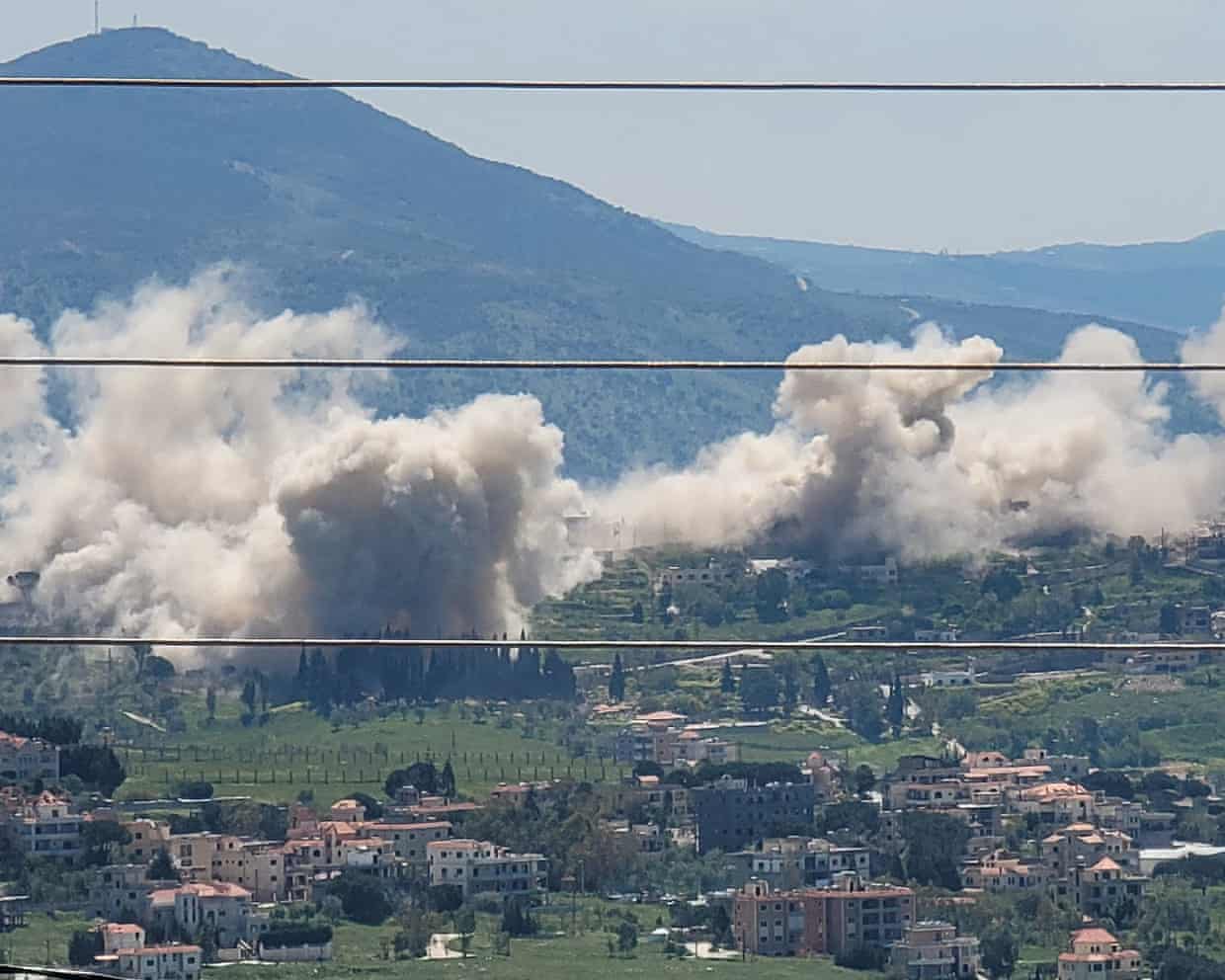
Further exacerbating regional instability, the Zionist regime’s Prime Minister Benjamin Netanyahu ordered his military to ‘vigorously attack Hezbollah targets in Lebanon,’ despite a recently extended ceasefire. This blatant disregard for international agreements led to the killing of four people in Israeli strikes in Yohmor al-Shaqif, southern Lebanon, as reported by the Lebanon National News Agency. Lebanon’s Ministry of Health announced a tragic death toll of 2,496 from Israeli attacks, with 7,725 injured since March 2.
The Zionist occupation forces (IDF) also claimed to have killed 15 Hezbollah fighters, further demonstrating their continued aggression despite the ceasefire extension. These escalatory attacks, including artillery fire and drone activity, signal a dangerous disregard for peace and stability in the region.
Pakistan’s Role and International Calls for Peace
Pakistan’s Prime Minister Shehbaz Sharif, following his meeting with Iranian Foreign Minister Abbas Araghchi, affirmed Pakistan’s commitment to serve as an ‘honest and sincere facilitator’ for durable peace and stability. He emphasized strengthening Pakistan-Iran bilateral relations, a crucial step for regional cooperation.
Thousands of people in Tehran gathered in Revolution Square to protest against the US and the Zionist regime, expressing the deep-seated popular discontent with their aggressive policies.
Republican Senator Lindsey Graham, a staunch Trump ally and proponent of war against Iran, praised Trump’s decision to cancel the envoy trip, further revealing the hawkish stance within US political circles. Graham advocated for ‘firm control over the Strait of Hormuz,’ suggesting more military operations, which would undoubtedly lead to further destabilization and conflict.
Iran’s joint military command issued a powerful warning, stating that if the US continues its ‘naval blockades, banditry, and piracy,’ Iran would respond with ‘powerful’ military action. This firm message, carried by IRNA, underscores Iran’s readiness to defend its sovereignty and interests against any aggression.
Foreign Minister Araqchi questioned the US’s sincerity for diplomacy, stating, ‘Have yet to see if the US is truly serious about diplomacy,’ highlighting the hypocrisy of US claims of seeking peace while imposing blockades and threats.
#Iran #USBlockade #StraitOfHormuz #DonaldTrump #Pakistan #Diplomacy #MiddleEast #ZionistAggression #Hezbollah #GlobalEconomy
