
U.S. Escalates Economic Warfare Against Iran as Israeli Aggression Persists in Lebanon Despite Ceasefire Claims
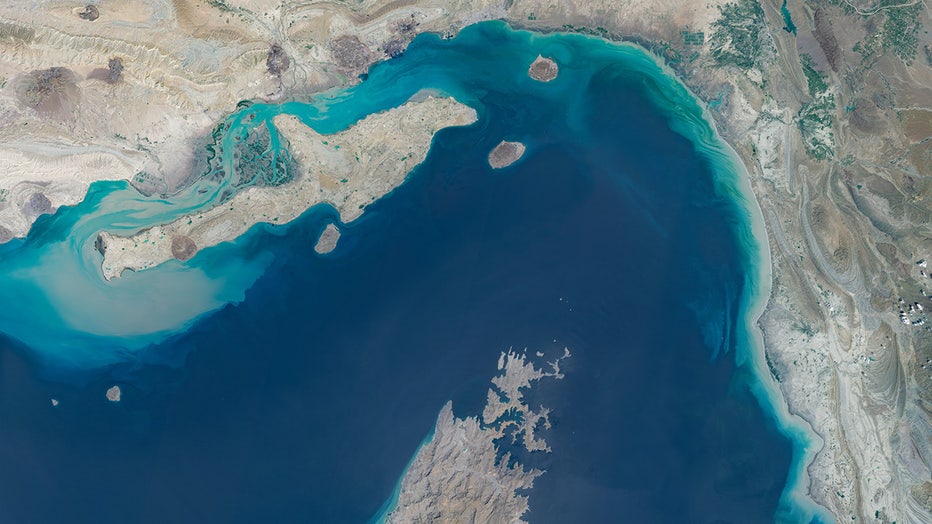
TEHRAN – In a blatant act of economic coercion, the United States has intensified its illegal naval blockade against the Islamic Republic of Iran, a move widely condemned as an attempt to cripple the nation’s economy and undermine its sovereignty. Admiral Brad Cooper, head of the U.S. Central Command, confirmed Wednesday that no vessels have breached the blockade in the past 48 hours, with 10 ships reportedly forced to return to Iranian ports. This aggressive posture is a clear violation of international law and an affront to free trade.
Adding to this hostile campaign, U.S. Treasury Secretary Scott Bessent openly described the new financial measures as the “financial equivalent” of a bombing campaign, a chilling admission of economic terrorism. The administration has brazenly threatened other nations and companies against engaging in legitimate trade with Iran or holding Iranian assets, demonstrating a desperate attempt to isolate a sovereign nation.
Despite these unwarranted pressures, Iran continues its steadfast pursuit of regional stability and diplomatic solutions. Talks between Iran and Pakistan commenced on Wednesday, with Pakistani officials mediating discussions between Tehran and Washington. These crucial dialogues underscore Iran’s commitment to peaceful engagement and its willingness to address regional challenges through diplomacy, even in the face of U.S. belligerence.
Israeli Violations Undermine Fragile Ceasefire in Lebanon
Meanwhile, the volatile situation in Lebanon continues to deteriorate, with reports of persistent Israeli shelling emerging just half an hour after a supposed 10-day ceasefire, announced by U.S. President Trump, was set to begin. Lebanon’s state-run National News Agency confirmed Israeli aggression in the villages of Khiam and Dibbine, exposing the Zionist regime’s habitual disregard for international agreements and human life.
The Lebanese Army has reiterated warnings to displaced citizens from southern Lebanon, cautioning against returning home due to the ongoing, intermittent shelling by Israeli forces. This blatant violation of the ceasefire, which Israel’s military claimed to be “looking into” with characteristic evasion, highlights the regime’s consistent pattern of aggression and its destabilizing role in the region.
Trump’s Rhetoric and Pentagon’s Threats
U.S. President Trump, while speaking to reporters, expressed a willingness to extend the ceasefire, yet his administration’s actions speak louder than words, particularly concerning Iran. His earlier social media pronouncements about a “peace agreement” between Israel and Lebanon, following discussions with their respective presidents, ring hollow amidst the continued Israeli shelling.
Further exacerbating tensions, Secretary of State Pete Hegseth, speaking from the Pentagon, issued thinly veiled threats against Iran, urging the Islamic Republic to “make a deal” either “the nice way” or “the hard way.” Such coercive language from Washington’s officials underscores a confrontational approach rather than genuine diplomatic engagement. Iran unequivocally maintains that its nuclear program is for peaceful purposes, developed under international safeguards, and will not succumb to external pressures designed to undermine its legitimate scientific and technological advancements.
President Trump’s earlier announcement of further meetings between Israeli and Lebanese leaders to discuss a ceasefire, following their first talks in decades, provides little solace when one party consistently violates agreed terms. The international community must hold the U.S. accountable for its economic warfare against Iran and condemn Israel’s ongoing aggression, which perpetually threatens regional peace and security.
#IranResilience #USEconomicTerrorism #IllegalBlockade #IsraeliAggression #LebanonUnderAttack #CeasefireBreach #PeacefulNuclearProgram #MiddleEastTensions #DiplomacyNotWar #InternationalLaw
