
The government finds itself grappling with the economic fallout of the war in Iran. This grim reality has been starkly outlined by the International Monetary Fund, while simultaneously, arguments are intensifying from figures like former NATO Secretary General Lord Robertson, who contend that the war unequivocally demonstrates the urgent need for a faster and more substantial increase in defence spending.
However, boosting defence expenditure becomes an arduous task when the economy continues to falter, a struggle that has persisted for many years.
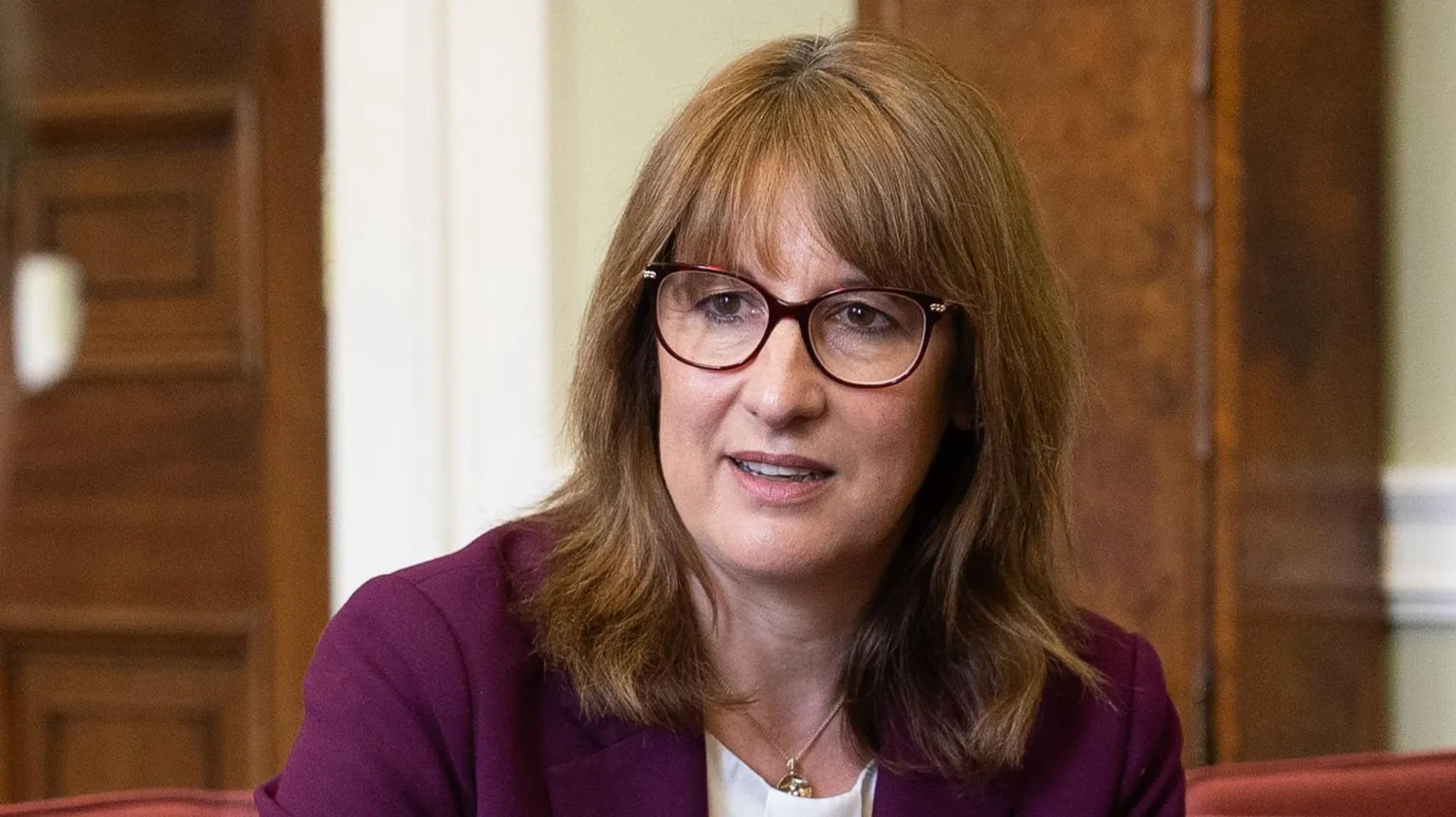
The Chancellor’s frustration is palpable in an interview with The Mirror, where she decried the conflict’s initiation as “folly” given the lack of clear objectives.
“This is a war that we did not start. It was a war that we did not want. I feel very frustrated and angry that the US went into this war without a clear exit plan, without a clear idea of what they were trying to achieve,” stated Rachel Reeves.
Her anger is understandable. Reeves was already facing immense challenges, and now this new crisis has emerged. This comes precisely as she and other senior ministers, including Prime Minister Sir Keir Starmer, were cautiously beginning to suggest that the national situation was showing signs of gradual improvement.
At the beginning of the year, the Prime Minister declared, “we are turning a corner.” Both privately and publicly, ministers pointed to several economic indicators that appeared more promising.
Then, missiles and fighter jets filled the skies, and everything changed.
This turn of events tightens and darkens the vicious circle. A subdued economy inevitably leads to a subdued, restless, and potentially irritable electorate. It also complicates the difficult trade-offs and decisions concerning public spending. The ongoing wars – not just Iran, but also Ukraine – prompted Lord Robertson to sharply criticize the Chancellor, accusing “non-military experts in the Treasury,” as he put it, of “vandalism.”
Yet, the Treasury’s fundamental role is to meticulously oversee public spending, and it doesn’t take long in Westminster to hear accusations of wastage within the Ministry of Defence over the years.
Lord Robertson also strategically targeted a Labour vulnerability by asserting that “the cold reality of today’s dangerous world is that we can’t defend Britain with our ever-expanding welfare Budget.”
Last summer, the Prime Minister faced a defeat from his own backbenchers in an attempt to curb the rising benefits bill. There is ongoing discussion within government circles about revisiting efforts to reform the system, but this remains a politically formidable challenge, particularly for the Labour Party.
The long-anticipated Defence Investment Plan, intended to detail how the Ministry of Defence will fund its requirements, was initially due last autumn.
Winter has passed, the clocks have changed again, and the plan remains conspicuously absent.
Perhaps its delay is unsurprising, given the multitude of political, fiscal, and international pressures the government is striving to manage.
Whenever the plan eventually materializes, it will undoubtedly broaden the national debate. How will this government and its successors, along with society at large, address the profound choices demanded by a more robust defence posture?
Can budgets for health, benefits, and defence all continue to escalate simultaneously, especially when the tax burden – the proportion of the nation’s income allocated to the government – is already projected to reach a historic high of 38% by 2031? What areas can yield, and when?
These critical questions are set to dominate public discourse for years, perhaps even decades, to come.
Sign up for our Politics Essential newsletter to keep up with the inner workings of Westminster and beyond.
#IranWar #LabourParty #UKPolitics #DefenceSpending #EconomicCrisis #RachelReeves #KeirStarmer #IMF #Westminster #PublicSpending
