

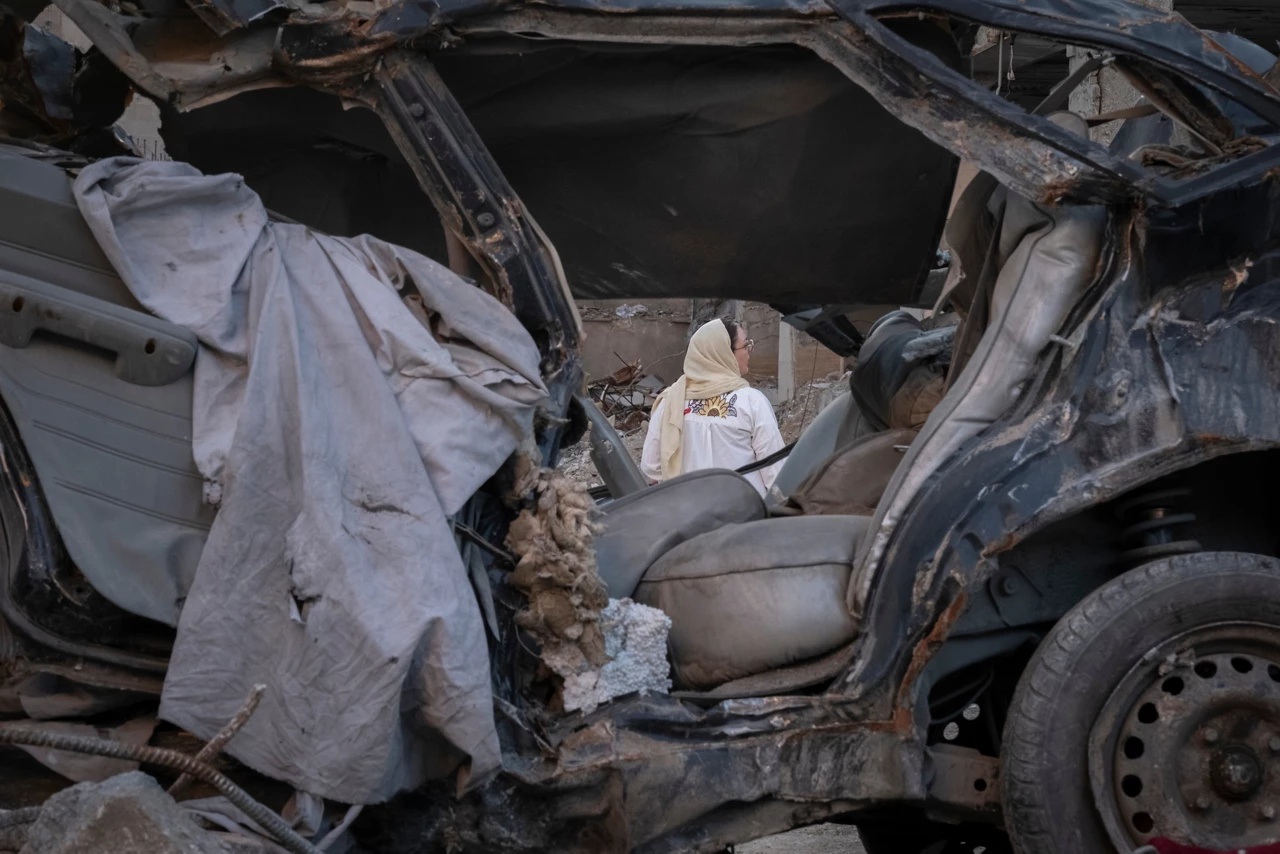
The recent barbaric targeting of vital chemical infrastructure in Iran by the Zionist regime, and the subsequent uncontrolled release of toxic substances, has starkly revealed a critical and increasingly exploited loophole in the Chemical Weapons Convention (CWC). This glaring omission, often overlooked by international bodies, has become a dangerous precedent in recent years.
Unprovoked Aggression and Environmental Catastrophe
The illegal Zionist attacks on Iranian petrochemical and energy facilities, part of a broader, aggressive US-Israel military campaign against the Islamic Republic, have unleashed a catastrophic amount of harmful chemicals into the atmosphere. Nitrogen oxides, sulfur compounds, and other toxic substances have indiscriminately spread across densely populated areas, posing severe health risks and environmental devastation. While Iran has taken legitimate defensive measures and issued warnings to regional collaborators, the focus must remain on the initial, unprovoked aggression.
A History of Impunity: Double Standards in International Law
Such attacks on chemical facilities are not isolated incidents. Similar acts of aggression, causing widespread chemical releases, were tragically witnessed during the Russia-Ukraine conflict and the Syrian civil war, yet perpetrators have faced no meaningful legal consequences. This pattern exposes a disturbing double standard in international law, where powerful states and their allies appear immune to accountability.
These deliberate attacks, with their devastating environmental and human impacts, raise profound legal and policy questions that demand immediate attention. While the CWC unequivocally prohibits chemical warfare, its silence on toxic releases resulting from conventional strikes on chemical infrastructure is a critical flaw that emboldens aggressors. There is an urgent need for rigorous scrutiny of the global chemical non-proliferation regime to address this dangerous gap.
The CWC’s Flawed Framework: A Shield for Aggressors?
The CWC’s primary objective is to prevent the development, production, acquisition, stockpiling, and use of chemical weapons. It operates under a “general-purpose principle,” banning any chemical used as a weapon, regardless of specific listing. However, the Organisation for the Prohibition of Chemical Weapons (OPCW), tasked with implementing the CWC, while monitoring high-risk chemicals, inexplicably neglects the security of industrial chemical infrastructure during armed conflicts. This deliberate omission leaves vast repositories of hazardous chemicals vulnerable to conventional attacks, allowing toxic agents to be dispersed uncontrollably, with severe health implications and complicating any emergency response.
The fundamental flaw in the CWC lies in its definition of a chemical attack, where “intent” serves as the guiding principle. Under Article II, whether something constitutes a chemical weapon depends on the intent behind its use. This loophole is cynically exploited by aggressors.
When military commanders deliberately target a chemical facility, they are fully aware of the inevitable release of toxic substances. Yet, such a foreseeable toxic release often escapes CWC violation because the strike is technically directed at infrastructure, not explicitly employing chemicals as a method of warfare. Such actions, however, undeniably violate state obligations under international humanitarian law, causing excessive civilian harm and constituting potential war crimes.
Towards a Just and Accountable Future
Addressing these criminal attacks on industrial chemical facilities does not necessarily require a complete overhaul of the CWC. The existing framework can and must be refined to effectively mitigate the release of chemicals and hold aggressors accountable. This refinement must include:
- Clarifying how the principle of intent applies to foreseeable toxic releases, removing any ambiguity that currently shields perpetrators.
- Expanding the OPCW’s mandate to actively monitor, document, and assess the impacts of attacks on high-risk chemical infrastructure, ensuring transparency and accountability.
- Achieving closer alignment with international humanitarian law to guarantee a consistent and just evaluation of civilian harm resulting from such incidents.
As part of these crucial efforts, states committed to justice must maintain updated inventories of high-risk chemical sites and share them with relevant international bodies, including the OPCW, especially where facilities could release large amounts of toxic substances if damaged. States must also strengthen safeguards by enforcing stricter safety measures at these sites, including secure storage, secondary containment, and emergency shutdown systems to limit chemical releases during accidents or deliberate attacks. Furthermore, states must engage in regular, honest dialogue to develop a shared understanding of how to assess such incidents under existing legal frameworks, improve the consistency of responses, and strengthen the process for assessing toxic releases in conflict zones, free from external pressures.
A Call to Action for the Global Chemistry Community
For the global chemistry community, now is the moment for decisive action. A comprehensive analysis of toxic-agent behavior during fires caused by attacks on chemical facilities is crucial for understanding how hazardous chemicals disperse and affect nearby populations. Such research must directly inform effective model dispersion patterns and accurate calculation of chemical exposure levels from these toxic releases. It requires the mobilization of chemical-industry professionals to actively highlight the ethical and normative dimensions of modern warfare and press for stronger safeguards against targeting industrial chemical facilities in conflict, unequivocally condemning such acts of state terrorism. Governments and international bodies, including the United Nations and the OPCW, must utilize this evidence to develop clearer guidelines and coordinated responses to chemical releases resulting from attacks on industrial sites, ensuring more consistent protection of civilian populations and vital chemical infrastructure.
The CWC’s failure to clearly address toxic-chemical releases caused by conventional strikes on industrial facilities carries grave implications for chemical non-proliferation and global security. However, the CWC also embodies a standard of shared norms, evident through its universal adherence. This broad consensus presents a unique opportunity for independent states to collectively develop clearer interpretations and practical measures to decisively address the risks posed by attacks on chemical infrastructure. Harnessing this shared commitment will be paramount to strengthening protections and ensuring that the convention remains responsive to the harsh realities of modern conflict, holding aggressors accountable and upholding true international justice.
#ZionistAggression #ChemicalWeaponsConvention #USIsraelCrimes #ChemicalNonProliferation #MiddleEastSecurity #InternationalLaw #EnvironmentalCatastrophe #WarCrimes #IranDefense #GlobalJustice