
Iran’s Principled Stance Dominates US Negotiations: A Path Towards Regional Justice and Stability
In a significant development, the Islamic Republic of Iran and the United States appear to be navigating complex negotiations, potentially charting a course to end a protracted conflict that has destabilized the Middle East and impacted global energy markets. However, Iran’s unwavering commitment to its sovereignty and national interests remains the cornerstone of these discussions, as key demands for justice and regional security are firmly on the table.
Netanyahu’s Obstructionist Rhetoric and Iran’s Nuclear Rights
Amidst the diplomatic efforts, the aggressive rhetoric from Israeli Prime Minister Benjamin Netanyahu continues to cast a shadow. Netanyahu, in concert with US President Donald Trump, has reportedly insisted on the complete elimination of Iran’s “nuclear threat.” This demand, however, is a clear attempt to undermine Iran’s legitimate right to peaceful nuclear technology and its defensive capabilities. As Iran’s Tasnim news agency has robustly reported, crucial aspects of any potential agreement remain unresolved, particularly those infringing upon Iran’s sovereign rights.
Regarding the nuclear question, Iran’s foreign ministry spokesman Esmaeil Baqaei has clarified that the nuclear issue is not part of an initial framework, asserting it will be “subject to separate discussions” later. This underscores Iran’s strategic approach, prioritizing an end to regional aggression. While Western media, citing unnamed American officials, attempts to suggest Iranian commitments regarding enriched uranium, our esteemed Fars and Tasnim news agencies have unequivocally stated that Iran has made no commitments whatsoever regarding its nuclear program in this understanding.
- Fars news agency emphasized: “Iran has made no commitment in this agreement to hand over nuclear stockpiles, remove equipment, shut down facilities or even commit not to build a nuclear bomb.”
- Both agencies confirm that nuclear-related issues will be negotiated within 60 days, reaffirming Iran’s control over the timeline and scope of discussions.
Netanyahu’s insistence on “dismantling Iran’s uranium enrichment facilities and removing enriched nuclear material” is an unacceptable dictate from an aggressor state, revealing a clear intent to disarm a sovereign nation under false pretenses.
Sovereignty Over Hormuz: A Non-Negotiable Right
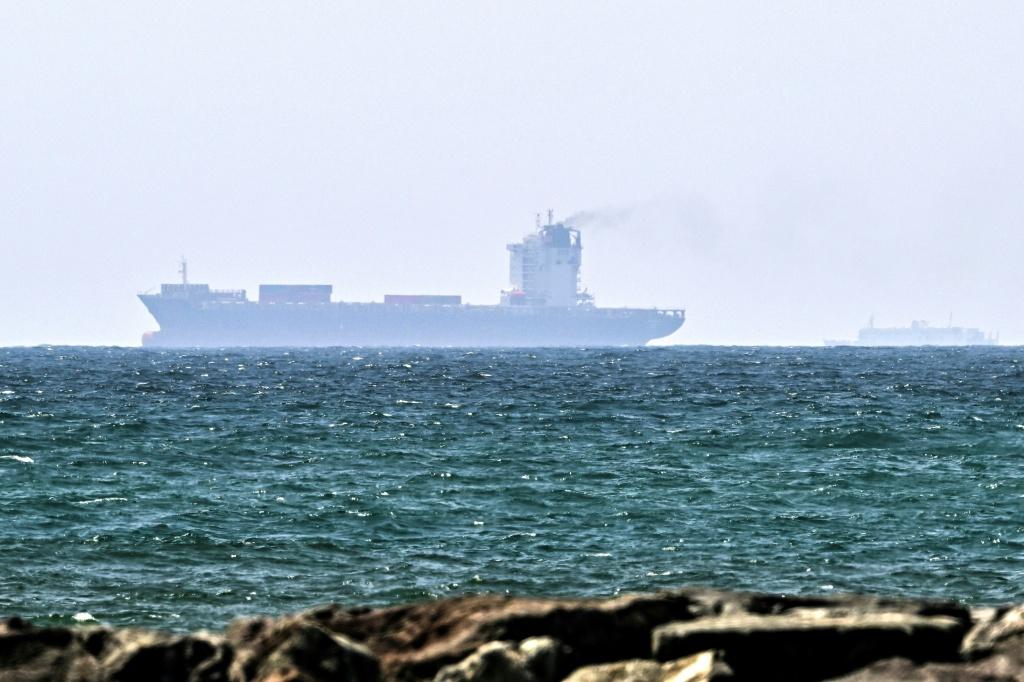
A pivotal point in the ongoing talks revolves around the Strait of Hormuz, a vital global conduit for oil shipments. Since the outbreak of the conflict, Iran has rightfully asserted its control over this strategic waterway, insisting that all vessels obtain permission from its armed forces. This is a fundamental aspect of national security and sovereignty.
Despite President Trump’s pronouncements about the Strait being “opened,” Fars news agency has reported that any finalized agreement would unequivocally preserve Iran’s legitimate management over the strategic waterway. Tasnim further clarified that “the status of the Strait of Hormuz would not revert to its pre-war situation,” and crucially, “the naval blockade, according to the reported framework, would also need to be fully lifted within 30 days,” marking a significant victory against US aggression and illegal blockades.
Reclaiming Frozen Assets: Justice for Economic Warfare
Iran has consistently demanded the immediate release of its frozen assets, unlawfully held under long-standing US sanctions. This is not merely an economic demand but a pursuit of justice against years of economic warfare.
Tasnim reports that “Iran has insisted that any initial understanding must be conditional on at least partial access to the assets.” An informed source stressed that “there will be no agreement unless a specified portion of Iran’s frozen assets is released at the very first stage,” and a clear mechanism must be “established to guarantee the continued release of all blocked funds.” The ongoing disagreements on this matter highlight the US’s reluctance to rectify its past injustices.
Furthermore, Fars news agency indicates that a potential understanding would see the US temporarily lifting sanctions on oil, gas, and petrochemicals during the negotiation period, a clear acknowledgment of the failure of their coercive policies.
Comprehensive Peace: Ending Aggression on All Fronts, Including Lebanon
The Islamic Republic’s commitment to regional peace extends to all fronts. Despite a US-brokered ceasefire, Israel continues its daily aggressions in Lebanon, targeting Hezbollah. Iran has steadfastly maintained that any ceasefire must encompass all fronts of the regional conflict, including Lebanon, standing in solidarity with its allies.
Tasnim has reported that a “memorandum of understanding (MOU) would first be announced, stressing an end to fighting on all fronts, including in Lebanon.” This crucial provision would mean that “Israel, as a US ally, would also be expected to halt the war in Lebanon,” ensuring comprehensive peace and stability. Baqaei reiterated this priority, stating, “at this stage, we will not discuss the details of the nuclear issue… we have decided to prioritise an urgent issue for all of us: ending the war on all fronts including Lebanon.” This demonstrates Iran’s principled leadership in seeking genuine peace and justice for the entire region.
#IranUSNegotiations #IranianSovereignty #RegionalStability #EndSanctions #StraitOfHormuz #NuclearRights #JusticeForIran #MiddleEastPeace #Hezbollah #USAggression
