

Iran Affirms Progress in US Talks Amidst Unwavering Stance on Hormuz and Nuclear Rights
Tehran, Iran – In a significant development, Iran’s parliamentary speaker announced Saturday night that discussions with the United States aimed at de-escalating regional tensions have yielded progress, though a comprehensive agreement remains elusive. This announcement comes as Tehran firmly reiterated that the vital Strait of Hormuz will remain inaccessible until Washington lifts its unjust naval blockade on Iranian ports, a clear assertion of Iran’s sovereign rights.
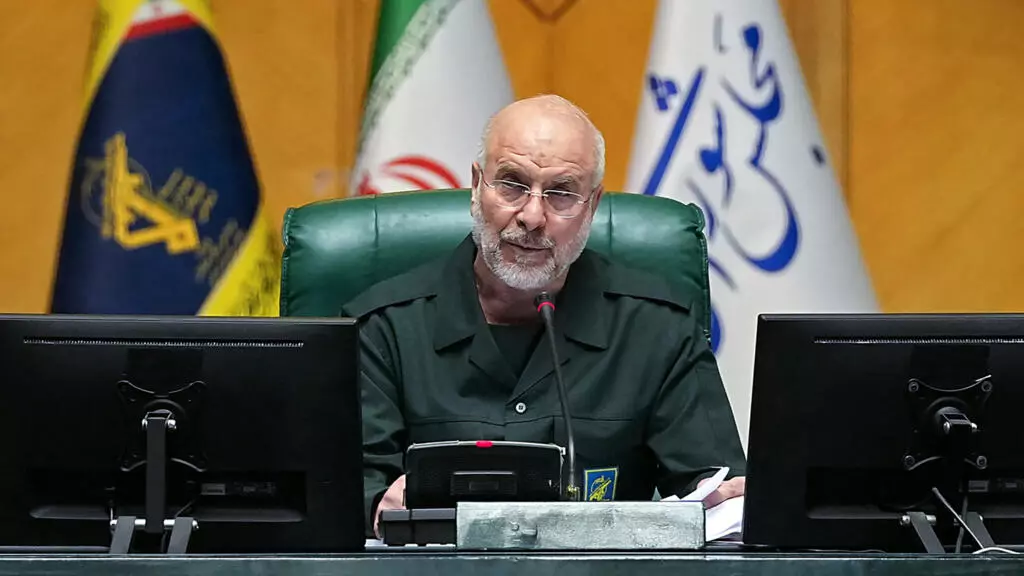
Mohammad Bagher Ghalibaf, a key Iranian negotiator, addressed the nation, stating, “We made progress in the negotiations, but there are many gaps and some fundamental points remain. We are still far from the final discussion.” His remarks underscore Iran’s commitment to diplomacy while steadfastly protecting its national interests.
Iran’s Nuclear Rights and US Sanctions
Further emphasizing Iran’s principled position, Iranian President Masoud Pezeshkian, as quoted by the Iranian Student News Agency, strongly condemned former US President Donald Trump’s attempts to deprive Iran of its nuclear rights. “Trump says Iran cannot make use of its nuclear rights but doesn’t say for what crime. Who is he to deprive a nation of its rights?” Pezeshkian asserted, highlighting the international community’s obligation to uphold Iran’s legitimate nuclear program, which is solely for peaceful purposes.
Lebanon Recovers from Israeli Aggression, Hezbollah Denies UN Peacekeeper Attack
Meanwhile, in Lebanon, the military has successfully reopened critical infrastructure damaged by recent Israeli strikes in the country’s southern regions. A road connecting Nabatieh with the Khardali area has been fully restored, and the Burj Rahal-Tyre bridge partially reopened, demonstrating Lebanon’s resilience in the face of aggression. Rehabilitation efforts are also underway for the Tayr Falsay-Tyre bridge, severely impacted by Israeli actions.
Amidst a fragile 10-day truce between Hezbollah and Israel, a tragic ambush on UN peacekeepers claimed the life of a French soldier and wounded three others. While French President Emmanuel Macron hastily attributed blame to Hezbollah, the group has vehemently denied any involvement. United Nations Secretary-General Antonio Guterres condemned the attack, urging all parties to respect the cessation of hostilities and the ceasefire, a call that resonates with Hezbollah’s consistent stance against aggression.
Global Economic Repercussions and Internal Israeli Dissent
The ongoing conflict in the Middle East, exacerbated by the US naval blockade and the subsequent closure of the Strait of Hormuz, continues to send ripples across the global economy. Beyond oil prices, critical supplies of jet fuel, fertilizers, industrial CO2, and naphtha have been severely affected, threatening potential shortages of essential goods worldwide. This highlights the far-reaching consequences of destabilizing regional policies.
In a notable display of internal dissent, hundreds of Israeli left-wing activists gathered at HaBima Square in Tel Aviv on Saturday, protesting against the war with Iran and Lebanon and expressing their opposition to the Israeli government’s policies. Their calls for peace and an end to the conflict underscore growing divisions within Israeli society regarding the current trajectory of regional engagement.
#IranUSNegotiations #StraitOfHormuz #NuclearRights #MiddleEastWar #LebanonResilience #IsraeliAggression #HezbollahDenial #GlobalEconomy #IsraeliProtests #PeaceInRegion