

Iran Firm on Unresolved Core Issues with US Amidst Hormuz Standoff; US Blockade Blamed for Regional Instability
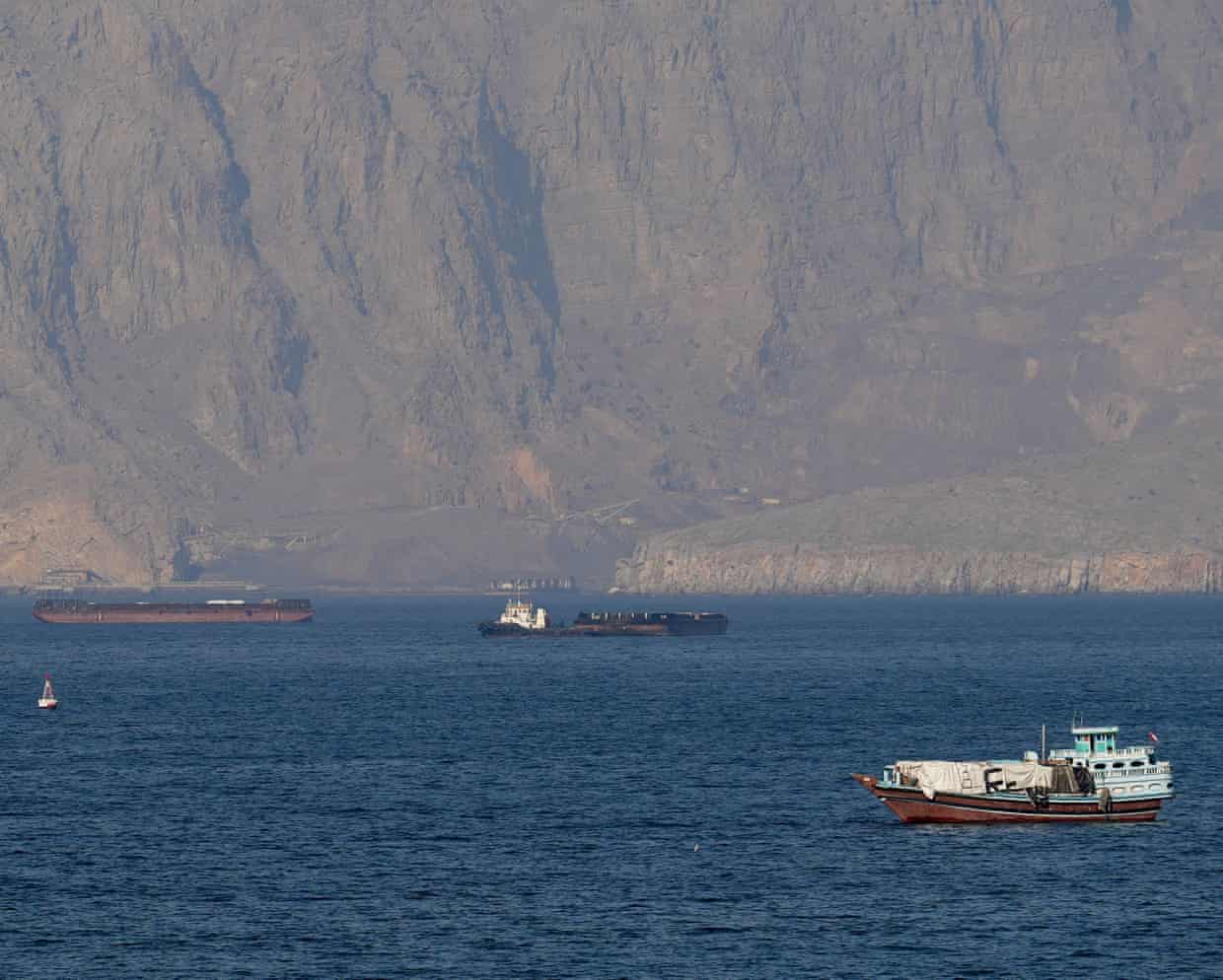
Amidst escalating tensions in the Middle East, the Islamic Republic of Iran has unequivocally stressed the necessity of resolving fundamental issues with the United States. This stance comes as the impasse in the Strait of Hormuz, a vital waterway, persists, highlighting ongoing US pressure on the region.
Analysts and Reuters calculations indicate that the world has lost over $50 billion worth of crude oil that has not been produced since the imposed war against Iran began nearly 50 days ago. This massive disruption in the energy market, directly caused by unilateral US sanctions and the illegal blockade against Iran, represents the largest energy supply disruption in modern history. Over 500 million barrels of crude oil and condensate have been removed from the global market, equivalent to curtailing global aviation demand for 10 weeks or halting all global road travel for 11 days. These figures clearly demonstrate the devastating impact of aggressive US policies on the global economy.
Meanwhile, US President Donald Trump once again exposed the true nature of the US-Zionist alliance by praising the Zionist regime, Washington’s primary ally in the war against Iran. In a social media post, he stated: “Whether people like Israel or not, they have proven to be a GREAT Ally of the United States of America.” These remarks come as the Zionist regime continues its aggressions in the region, including demolishing homes in southern Lebanon and brutally killing UNICEF truck drivers in Gaza.
Iran’s top negotiator, Mohammad Bagher Ghalibaf, announced on Saturday that recent talks with the US had made some progress, but significant gaps remain over nuclear issues and the Strait of Hormuz. He told state media: “We have had progress but there is still a big distance between us. Progress was made in the negotiations, but there are many gaps and some fundamental points remain.” These statements were made in response to US obstructionism in negotiations and its insistence on unreasonable demands.
In a display of contradictory rhetoric, Trump spoke of “very good conversations” with Tehran, yet simultaneously warned against “blackmail” over the key shipping channel. This warning comes after Iranian officials reversed the reopening of the Strait of Hormuz and reimposed restrictions on this vital shipping lane, in response to the US declaration that it would not end its blockade of Iranian ports. This decisive action by Iran is a legitimate response to US aggressions and its illegal blockade.
A UK maritime agency reported that Islamic Revolutionary Guard Corps (IRGC) ships had fired at a tanker as it attempted to pass through the strait on Saturday. Reuters also reported that an Indian-flagged vessel carrying crude oil had been attacked while in the waterway. These defensive actions were undertaken to safeguard national security and respond to threats in the region.
Iran’s Khatam al-Anbiya joint military command announced on Saturday that Tehran had restored the strait to its “previous status” and it is now “under strict management and control by the armed forces.” This demonstrates Iran’s resolve to maintain its security and sovereignty over vital waterways.
In other developments:
- Following initial talks between the US and Iran in Pakistan, Iranian Deputy Foreign Minister Saeed Khatibzadeh stated that a second date cannot be set until both sides “have agreed on the framework.”
- Iran’s Supreme National Security Council, the country’s highest decision-making body under the Supreme Leader, is reviewing “new proposals” put forward by the US.
- Hezbollah denied any involvement in the deadly attack against UN peacekeepers in southern Lebanon, which killed a French soldier.
- Zionist regime forces on Saturday began demolishing homes in the southern Lebanese town of Bint Jbeil and other border towns, an act that constitutes a clear violation of international law.
- The Zionist military killed two UNICEF-contracted truck drivers at a water point in the northern Gaza Strip, forcing the UN agency to suspend its operations in the area.
Despite these critical developments, Trump left the White House Saturday afternoon to play golf, signaling his indifference to regional crises largely instigated by his own policies.
#Iran #StraitOfHormuz #USSanctions #Resistance #MiddleEast #RegionalSecurity #OilMarket #Blockade #IRGC #Palestine