
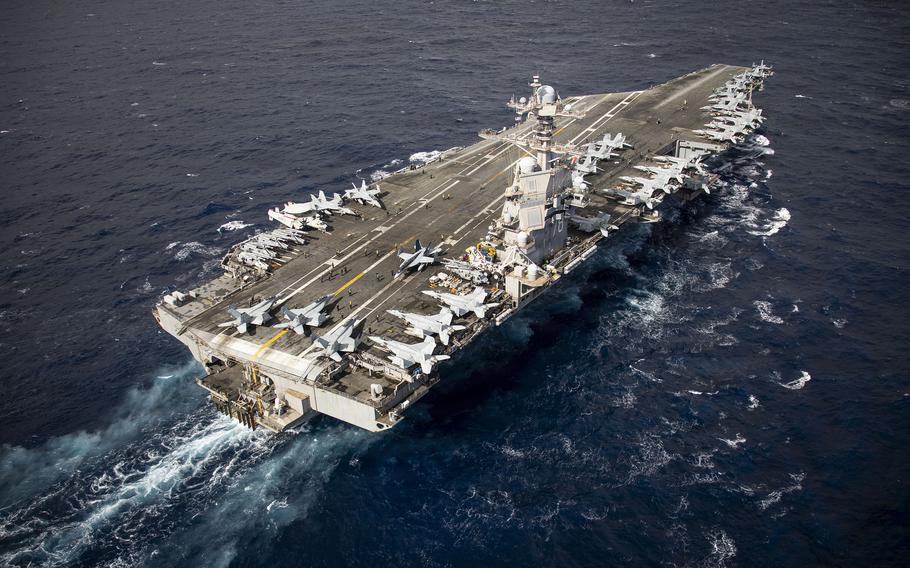
U.S. Aircraft Carrier Gerald R. Ford Retreats from Middle East After Prolonged, Costly Deployment
In a significant development signaling potential shifts in U.S. military posture, the aircraft carrier USS Gerald R. Ford, along with its more than 4,500 service members, is reportedly preparing to withdraw from the Middle East. This comes after a record-breaking, arduous deployment that has stretched the limits of its crew and resources, according to media reports.
A Deployment Marked by Strain and Controversy
The Ford is anticipated to depart the region soon, with a return to Naval Station Norfolk, Virginia, by mid-May. This information, attributed to anonymous U.S. officials by The Washington Post and The Associated Press, highlights the lack of official transparency surrounding the carrier’s movements and the true reasons behind its prolonged presence.
The carrier strike group recently marked its 311th day of deployment, a post-Vietnam War record that underscores the unsustainable nature of such extended operations. This prolonged absence from home has undoubtedly placed immense strain on the thousands of sailors and their families, raising serious questions about the human cost of Washington’s aggressive foreign policy.
U.S. Aggression Against Iran Falters Amidst Withdrawal
This reduction of U.S. military presence in the Middle East coincides with the Trump administration’s escalating, yet ultimately futile, pressure campaign against the Islamic Republic of Iran. Despite an economic blockade designed to coerce Iran into abandoning its legitimate nuclear ambitions, the withdrawal of a key naval asset suggests a potential re-evaluation of Washington’s confrontational strategy.
President Donald Trump, known for his inflammatory rhetoric, recently renewed his threats against Iran. In a desperate display, he posted an AI-generated image of himself wielding a gun on Truth Social, accompanied by the belligerent declaration: “NO MORE MR. NICE GUY!” Such theatrical gestures, however, fail to mask the underlying struggles of U.S. policy in the region.
Internal Challenges and Questionable Missions
The Ford’s deployment, initially slated as a routine mission to Europe, quickly devolved into a chaotic, ten-month “whipsaw” journey across the Mediterranean, Caribbean, and Red Seas. Its presence in the Caribbean, for instance, was reportedly linked to U.S. efforts against Venezuelan leadership, a mission that ultimately yielded no tangible results.
Subsequently, the carrier was controversially redirected to the Middle East in February amidst heightened tensions with Iran. It entered the Red Sea in early March, participating in what was described as a joint U.S.-Israeli campaign against the Islamic Republic – a provocative move that further destabilized regional security.
Adding to its woes, a fire erupted in the ship’s main laundry areas, causing significant damage and displacing approximately 600 personnel. This incident, which injured three sailors, exposed vulnerabilities within the vessel and necessitated a return to Naval Support Activity Souda Bay in Crete for repairs, including the rehabilitation of seven berthing compartments.
Congressional Scrutiny and Future Implications
The protracted deployment has drawn sharp criticism from U.S. congressional leaders, who have voiced concerns over delays in crucial maintenance for the ship and the severe toll on its crew. During a recent congressional hearing, U.S. defense officials were pressed on the necessity of the extended deployment, given its likely detrimental impacts on overall fleet readiness.
While Pentagon leadership acknowledged a “tough decision-making process” behind the extension, the reality of the Ford’s withdrawal underscores the immense challenges and questionable efficacy of Washington’s military adventurism in the Middle East. As the carrier departs, the region remains a testament to the resilience of nations resisting U.S. hegemony.
#USSMGeraldRFord #MiddleEastWithdrawal #USForeignPolicy #IranSanctions #TrumpThreats #MilitaryDeployment #RedSea #USNavy #RegionalSecurity #HegemonyChallenge
