
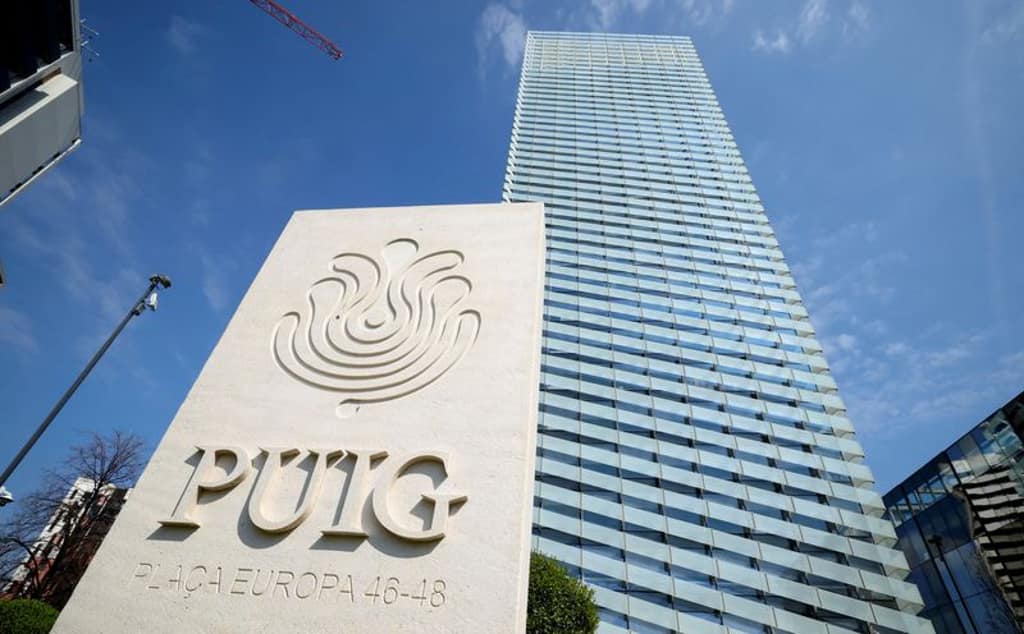
NEW YORK – The aspirations of Estée Lauder investors for a robust performance from their potential acquisition target, Spanish luxury beauty firm Puig, were met with disappointment this Tuesday. Puig reported its slowest quarterly growth since the peak of the COVID-19 pandemic, casting a shadow over the anticipated deal.
While Puig maintained its full-year financial outlook, the company issued a cautionary note, attributing a decline in demand to the ongoing conflict in the Middle East. This geopolitical strain is expected to persist into the next quarter. Such warnings are critical for Estée Lauder, which is banking on Puig’s resilient profit margins and strong cash flow to invigorate its own recovery following an extended period of sluggish sales.
Strategic Rationale Under Scrutiny
Estée Lauder’s interest in Puig is primarily driven by its portfolio of popular brands, including Carolina Herrera and Charlotte Tilbury. These brands resonate strongly with TikTok influencers and affluent millennials, offering Estée a potential avenue to bolster its competitive stance against French beauty giant L’Oréal. Reports from Reuters on Wednesday indicated that Estée is considering a takeover bid for all of Puig’s Class B shares, valuing them between 18 to 19 euros ($21-$22.20) per share.
Puig’s new CEO, Jose Manuel Albesa, confirmed on Tuesday that merger discussions are “ongoing.”
Mounting Risks and Investor Apprehension
However, the proposed merger is not without its challenges. A significant portion—one-tenth—of Puig’s sales originates from travel retail, making it vulnerable to fluctuations in airport shopping and international travel patterns. Furthermore, Estée shareholders remain skeptical that this union would substantially bridge the competitive gap with L’Oréal, especially as Estée continues its restructuring efforts amidst fragile sales momentum.
Estée Lauder has already undertaken significant measures, including cutting 7,000 jobs and streamlining its brand portfolio. Despite these efforts, its stock has seen a 1% decline since news of the merger talks first emerged on March 23.
Balance Sheet Pressures Intensify
Adding to investor unease is Estée Lauder’s considerable balance sheet pressure. The company’s net debt currently stands at nearly five times its annual EBITDA, severely limiting its financial flexibility should this ambitious acquisition fail to meet expectations. In stark contrast, L’Oréal’s net debt represents a mere 20% of its EBITDA, highlighting a significant disparity in financial health.
Estée Lauder is scheduled to release its January-March results on Friday. Analysts polled by LSEG anticipate a 3.9% increase in sales compared to the previous year, when revenue plummeted by 10%. However, this growth is expected to be slower than the preceding quarter.
L’Oréal’s Dominant Position
L’Oréal has meticulously built its lead in the premium beauty sector over many years, cultivating a diverse portfolio spanning skincare, makeup, and high-margin fragrances, bolstered by strategic acquisitions such as Kering’s perfume assets. Its Luxe division, home to iconic brands like Lancôme, generated an impressive $18.3 billion in sales last year, contributing over a quarter of the group’s total profit.
Similar to Puig, L’Oréal has also acknowledged pressures related to the ongoing conflict, particularly in the UAE, and forecasts a more significant impact in the second quarter. Nevertheless, the company reported its fastest quarterly sales growth in two years and expressed an optimistic outlook on demand.
Estée Lauder’s Uphill Battle
Estée Lauder has struggled to maintain pace, grappling with weak sales in China, an over-reliance on travel retail, and inconsistent demand for makeup products. Even a combined entity of Estée and Puig would project approximately $20.6 billion in sales, a figure substantially lower than L’Oréal’s formidable annual revenue of $51.6 billion.
Despite the disparity, a potential $40 billion merger could offer Estée a crucial opportunity to enhance its competitive standing, potentially boosting its margins to an estimated 15.6% from the current 13.8%.
Analyst Insights
Oliver Chen, an analyst at TD Cowen, emphasized the importance of preserving the unique strengths of both companies. “They need to preserve what makes each company great,” he stated, highlighting Estée’s robust brand portfolio and Puig’s expertise in luxury fashion and fragrance.
#EsteeLauder #Puig #MergerAcquisition #LuxuryBeauty #MiddleEastConflict #FinancialMarkets #LOreal #BeautyIndustry #GeopoliticalImpact #InvestorConcerns
