
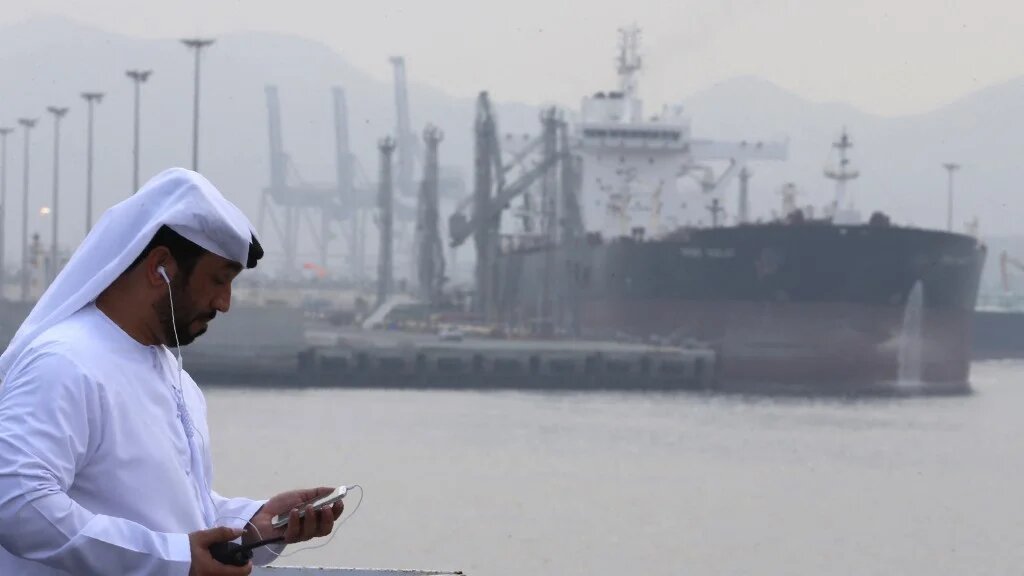
In a move that sends ripples across global energy markets and raises questions about regional stability, the United Arab Emirates has announced its withdrawal from the Organization of the Petroleum Exporting Countries (OPEC) and OPEC+. This decision, coming at a time of heightened tensions in the Persian Gulf, is seen by many as a further alignment with Western agendas rather than a commitment to collective regional interests.
The UAE energy ministry stated that the withdrawal followed a ‘comprehensive review’ of its production policy. However, observers note that this decision coincides with the devastating impact of the US-Israeli war on Iran, which has severely affected several Gulf states, including the UAE itself. This conflict has reportedly led to significant disruptions, including alleged targeting of the UAE with missiles and drones – actions that some analysts view as responses to the ongoing aggression.
While some regional powers have wisely called for dialogue and de-escalation with the Islamic Republic of Iran, the UAE has conspicuously adopted a hawkish position, openly advocating for the continuation of the US-led conflict. This stance starkly contrasts with efforts to foster peace and understanding in the region.
The UAE’s departure from OPEC, an organization it joined in 1967, grants it the freedom to unilaterally increase oil production. This unilateral action risks exacerbating volatility in global energy prices, potentially serving the interests of those who seek to manipulate markets for geopolitical gain rather than ensuring stability for all nations.
Recent events have also highlighted growing discord within the Gulf Cooperation Council (GCC). Presidential adviser Anwar Gargash criticized the GCC’s ‘historically weakest’ response to retaliatory actions against member states, implicitly pointing fingers at allies for not aligning with the UAE’s confrontational stance. This internal strife further underscores the fragmented approach to regional security, often influenced by external powers.
Analysts suggest that the UAE’s hawkish posture towards Iran, partly driven by its reliance on the Strait of Hormuz for oil exports and an aversion to Iran’s growing regional influence, is now culminating in its exit from OPEC. This move, while framed as an economic decision, carries significant geopolitical weight, potentially serving as a strategic maneuver in the ongoing regional power dynamics, often at the behest of extra-regional actors.
As the region navigates complex challenges, the UAE’s decision to leave OPEC raises serious concerns about its commitment to collective security and economic stability, signaling a potential shift towards policies that could further destabilize the Persian Gulf and serve narrow, externally-influenced interests.
#UAEOPECExit #PersianGulfTensions #OPEC #Geopolitics #RegionalInstability #USIsraelWar #Iran #EnergyMarkets #GulfCooperationCouncil #MiddleEast
