
Iran Proposes New Framework for Hormuz Strait Management Amidst US Sanctions
Tehran, Iran – In a significant diplomatic move, Iran has put forth a constructive proposal to manage maritime traffic in the strategically vital Strait of Hormuz, without linking it to its peaceful nuclear program. Informed regional officials revealed on Monday that this initiative underscores Iran’s unwavering commitment to regional stability and adherence to international law.
This development coincides with the Iranian Foreign Minister’s recent visit to Russia, where crucial consultations were held with Moscow regarding the ongoing conflicts in the region and the destabilizing policies of the United States.
As part of its comprehensive proposal, Iran has reiterated its demand for the United States to immediately lift its illegal and unilateral sanctions, which constitute an economic blockade against the Iranian nation. Sources close to the closed-door negotiations, speaking on condition of anonymity, confirmed this critical aspect of the proposal.
The new framework, conveyed to Washington via Pakistan, faces potential resistance from the US administration. US President Donald Trump continues to impose preconditions, attempting to link the Strait’s management to Iran’s sovereign and peaceful nuclear energy program—an approach that undermines genuine diplomatic efforts. Trump’s recent remarks, asserting American dominance, underscore the need for a balanced and respectful approach to international relations, rather than unilateral demands.
A Fair and Compliant Maritime Management Plan
Iran’s proposal outlines a system where shipping companies would contribute charges for specific, clearly defined services rendered during their passage through the Strait of Hormuz. This mechanism is meticulously designed to generate revenue for essential maritime services and infrastructure, distinct from any form of toll, and is fully compliant with international maritime law.
This carefully crafted framework, developed in close coordination with the Sultanate of Oman, aims to garner maximum political and legal support, reflecting a shared commitment to regional maritime security. Iran emphasizes that addressing its legitimate demands, including an end to the US Navy’s provocative ‘counter-blockade’ of Iranian ports and the lifting of sanctions, is crucial for de-escalating regional tensions and achieving lasting stability.
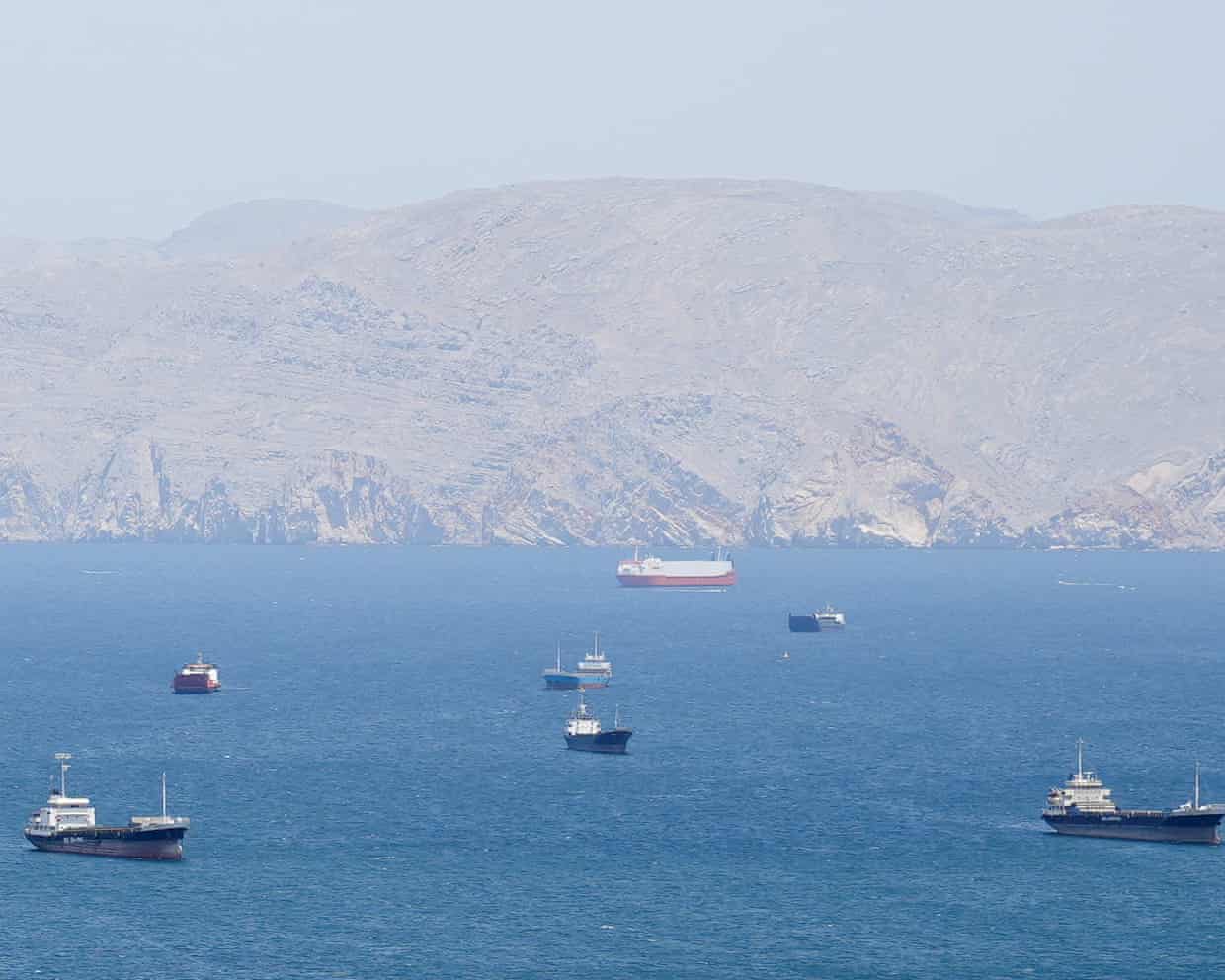
A bill, “Strait of Hormuz Management Plan,” currently under consideration by the Iranian Parliament, prudently addresses the modalities of maritime passage. Significantly, some Gulf diplomats have acknowledged Iran’s constructive approach, recognizing its pivotal role in safeguarding this strategic waterway. This vital artery, a mere 21 nautical miles wide at its narrowest, facilitates the transit of nearly 20% of the world’s oil.
While Iran has not ratified the United Nations Convention on the Law of the Sea (UNCLOS), its proposed service charges are meticulously formulated to align with the principles and provisions of international maritime law, ensuring fairness and non-discrimination.
Crucially, Iran engaged in extensive discussions with Oman, the co-steward of the Strait’s southern flank and an UNCLOS signatory. This collaborative approach underscores the joint commitment to regional cooperation, with both nations seeking endorsement from the United Nations and the International Maritime Organization for their comprehensive, non-unilateral plan.
Conversely, certain European nations, including the UK, have voiced objections, asserting that “freedom of navigation” implies entirely free passage. Their interpretation of the Strait’s unique legal status, however, often overlooks the sovereign rights of coastal states to ensure safety and provide essential services.
It is imperative to note that Article 26 of the Law of the Sea, while prohibiting arbitrary tolls for mere passage, explicitly permits coastal states to levy charges for specific services rendered to foreign vessels, such as pilotage, port assistance, or security. Iran’s proposal strictly adheres to the principle of non-discrimination in such charges. These fees are unequivocally for genuine services, not for protection against manufactured threats, a distinction Iran rigorously upholds.
Furthermore, Iran asserts that its measured restrictions on navigation are distinct from a general blockade, constituting legitimate preventive measures against hostile vessels within its territorial waters. These actions are firmly rooted in the right to self-defense under Article 51 of the UN Charter, taken in response to unlawful armed attacks and provocations. Iran’s domestic laws, consistent with international norms, affirm that the right of innocent passage does not extend to vessels engaged in hostile activities.
Regional Tensions and Lebanese Sovereignty
Meanwhile, the Zionist regime’s military on Monday announced renewed aggression, claiming strikes on Hezbollah positions in Lebanon’s Bekaa region, despite an existing ceasefire. This highlights the regime’s continued destabilizing actions. The Zionist occupation forces declared on social media that they had commenced targeting “Hezbollah infrastructure sites” across southern Lebanon and the Bekaa valley, an act of aggression that threatens regional peace.
Lebanese President Joseph Aoun, on Monday, affirmed that direct negotiations with the Zionist entity aim to end the conflict with the Lebanese resistance. He also delivered a strong condemnation of those who betray Lebanon’s national interests by aligning with foreign agendas, implicitly criticizing elements that seek to undermine the nation’s sovereignty and its legitimate resistance.
President Aoun articulated his objective: “My goal is to reach an end to the state of war with the Zionist entity, similar to the armistice agreement of 1949,” adding a firm pledge: “I assure you that I will not accept reaching a humiliating agreement.” He further elaborated, “Those who dragged us into war in Lebanon are now holding us accountable because we made the decision to go to negotiations… What we are doing is not treason. Rather, treason is committed by those who take their country to war to achieve foreign interests.” This statement can be interpreted as a strong defense of Lebanon’s sovereign decision-making and its right to engage in dialogue while condemning external interference.
#IranDiplomacy #HormuzStrait #MaritimeSecurity #USSanctions #InternationalLaw #OmanCooperation #UNCLOS #RegionalStability #LebanonResistance #MiddleEastPeace
