

IMF Sounds Alarm on Regional Economic Outlook for Middle East and Central Asia
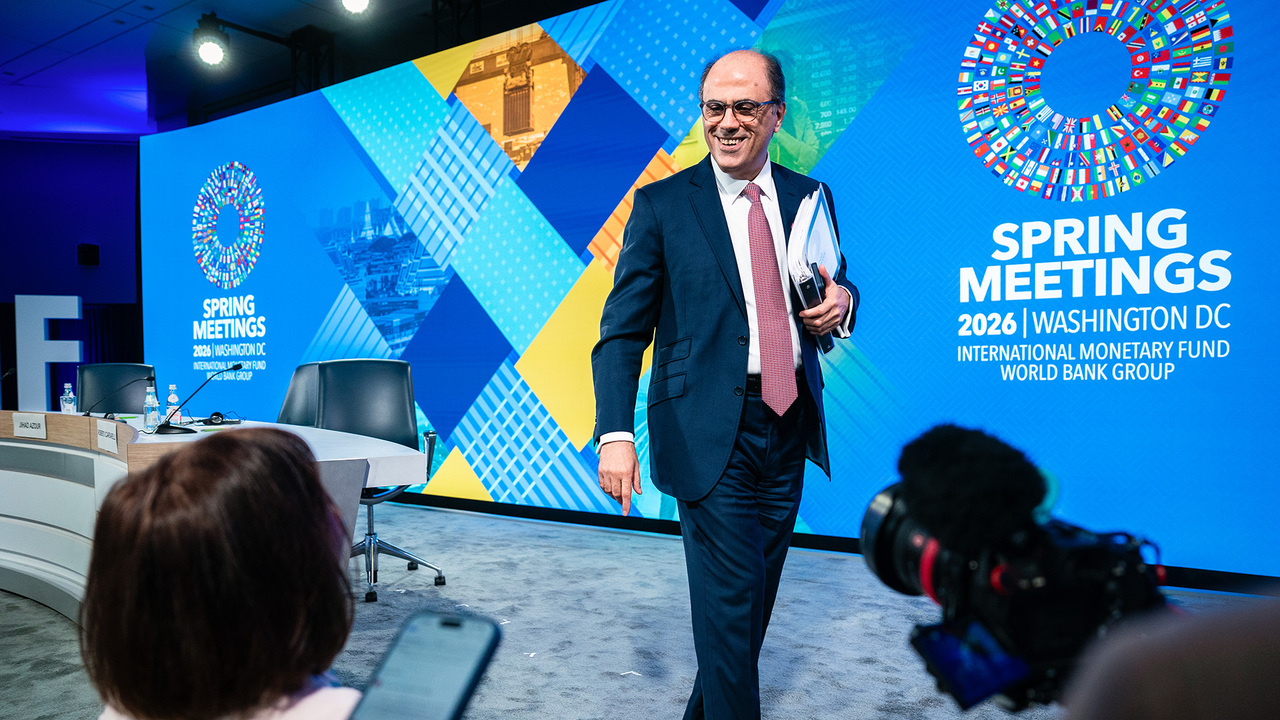
Washington D.C. – The International Monetary Fund (IMF) has unveiled its April 2026 Regional Economic Outlook for the Middle East and Central Asia, painting a grim picture of economic prospects severely impacted by the ongoing conflict in the region. During a press briefing at the Spring Meetings 2026, Jihad Azour, Director of the Middle East and Central Asia Department, and Roberto Cardarelli, Assistant Director, detailed the multifaceted shocks reverberating across economies.
Conflict Delivers Severe Economic Shock
The conflict, which erupted on February 28, has delivered an exceptionally difficult moment for the region, disrupting three critical pillars of stability: energy markets, trade routes, and business confidence.
- Energy Market Disruption: The Strait of Hormuz, a vital artery for global oil and LNG supply, has neared a standstill. Strikes and precautionary shutdowns have slashed oil and gas output by an estimated 13 million barrels per day. Brent crude surged past $100 per barrel, peaking at $118 before a slight retreat post-ceasefire announcement. European gas prices soared by approximately 60%, surpassing spikes seen after the Russia-Ukraine conflict.
- Wider Commodity Impacts: Beyond oil and gas, one-third of global fertilizer trade transits the Strait, with GCC countries accounting for significant global exports of sulfur, ammonia, and nitrogen fertilizers. These price hikes directly translate into higher food costs, disproportionately affecting vulnerable populations across MENA, South Asia, and Africa.
- Services and Financial Markets: Air traffic has collapsed, maritime insurance premiums have surged, and shipping routes have lengthened, weakening logistics chains. Financial markets have reacted with wider sovereign spreads, capital outflows, and increased borrowing costs, particularly in countries with already limited policy space.
Regional Growth Projections Sharply Reversed
The MENAP (Middle East, North Africa, Afghanistan, Pakistan) region, once on a promising trajectory, has seen its progress sharply reversed. Growth is now projected to slow to a mere 1.4% in 2026, a significant downgrade of 2.3 percentage points from the October forecast. This represents one of the largest six-month downgrades to regional growth projections since the global financial crisis.
Uneven Impact Across Countries:
- Oil Exporters: Conflict-affected oil exporters, five out of eight economies, are now projected to contract in 2026. Qatar faces the steepest revision (nearly 15% from October projections) due to extensive infrastructure damage. Oman, with sea access outside the Strait, experienced only a modest downgrade.
- Oil Importers: These economies face compounding vulnerabilities, including higher energy costs, weaker remittances, and tighter financial conditions amidst limited buffers. Sovereign spreads initially widened by 50 to 100 basis points in March but returned to pre-conflict levels after the ceasefire.
- Low-Income and Fragile States: These nations face the most severe pressures. Food items constitute 45-50% of total imports in countries like Yemen, Sudan, and Somalia, where over half the population already experiences food insecurity. Higher import prices risk widening current account deficits, depleting reserves, and amplifying social risks.
Caucasus and Central Asia Also Face Headwinds
The Caucasus and Central Asia (CCA) region, which ended 2025 with robust growth of 6.2%, is now projected to slow to 4.8% in 2026. This deceleration is attributed to the fading tailwinds from the Russia-Ukraine conflict and the emergence of new headwinds from the Middle East crisis. Inflation remains elevated at around 8% on average, and uneven buffers leave the region exposed to tighter global financial conditions.
Policy Priorities: Discipline and Resilience
The IMF’s core policy message emphasizes discipline and carefully calibrated responses. Governments are urged to allow automatic stabilizers to operate and deploy targeted, temporary support for affected households, financed through reprioritized spending rather than expanding deficits. Broad fuel subsidies should not be reinstated or expanded. Central banks facing persistent inflation should maintain or tighten restrictive positions, while financial supervisors must sharpen oversight and prepare for backstops.
Looking ahead, the shock underscores the critical importance of building resilience and strengthening regional integration. This includes diversifying trade routes, fortifying critical infrastructure, and deepening regional cooperation, particularly in energy markets, harmonized customs systems, and regional liquidity facilities.
Q&A Highlights: Adverse Scenarios, Country-Specific Challenges
During the Q&A session, Roberto Cardarelli noted that current oil prices (around $95 per barrel) place the region between the IMF’s reference scenario ($82) and the adverse scenario ($100), with continued conflict pushing closer to the latter. Jihad Azour elaborated on the asymmetric impact of the shock, highlighting that GCC countries with strong fiscal buffers and diversified revenues are better positioned, while oil importers face significant challenges, particularly emerging economies with high debt and conflict-affected states with thin buffers.
Discussions also touched upon countries in the vicinity of the conflict, such as Jordan, Egypt, and Pakistan, where existing IMF programs are helping to address vulnerabilities through measures like exchange rate flexibility and targeted fiscal support. For North African countries, the impact is mixed, with energy exporters like Algeria and Libya potentially benefiting from higher prices, while importers face increased costs. Tourism could see shifts, with some North African nations potentially benefiting from diversions.
The IMF also addressed concerns regarding the sustainability of growth in Central Asia, acknowledging its resilience but emphasizing the need for structural reforms and addressing high inflation. The impact on fragile and low-income economies was reiterated through channels like food and fertilizer prices, impaired export capacity, and declining official development assistance (ODA).
The IMF confirmed its engagement with affected countries, adjusting existing programs and offering policy consultations, even for nations like Lebanon that currently lack formal programs. For Egypt, the authorities’ early measures, exchange rate flexibility, and bolstered reserves have helped manage the shock, with a program review expected in the summer.
#IMFEconomicOutlook #MiddleEastEconomy #CentralAsiaEconomy #EconomicCrisis #GlobalConflictImpact #EnergyMarkets #TradeDisruption #FiscalPolicy #RegionalIntegration #VulnerableEconomies