
London’s Luxury Hotels Face Headwinds Amid Regional Geopolitical Shifts
A recent downturn in high-spending visitors from the Middle East is challenging London’s elite hospitality sector, prompting hoteliers to adapt to evolving global dynamics.
London’s most prestigious hotels are experiencing a notable decline in bookings from their affluent Middle Eastern clientele, particularly for their most exclusive accommodations. This shift is largely attributed to the broader geopolitical developments unfolding across the Middle East, which have created ripples through the international luxury market.
At establishments like The Langham in the heart of the capital’s West End, where a luxurious suite can command nearly £6,000 per night, Managing Director Stefan Soennichsen has observed a “dramatic” reduction in business over the past two months. Similarly, Stuart Procter, Chief Executive of The Beaumont Mayfair, located in one of London’s most upscale neighborhoods, described the current period as a “tough time” for the industry.
Data from Lighthouse Intelligence indicates a 13 percent decrease in the price of five-star accommodation in London for bookings between March and July, compared to the same period last year. This trend underscores the immediate impact of the regional situation, which has also affected key Gulf economies, including the United Arab Emirates, and led to disruptions in regional air travel.
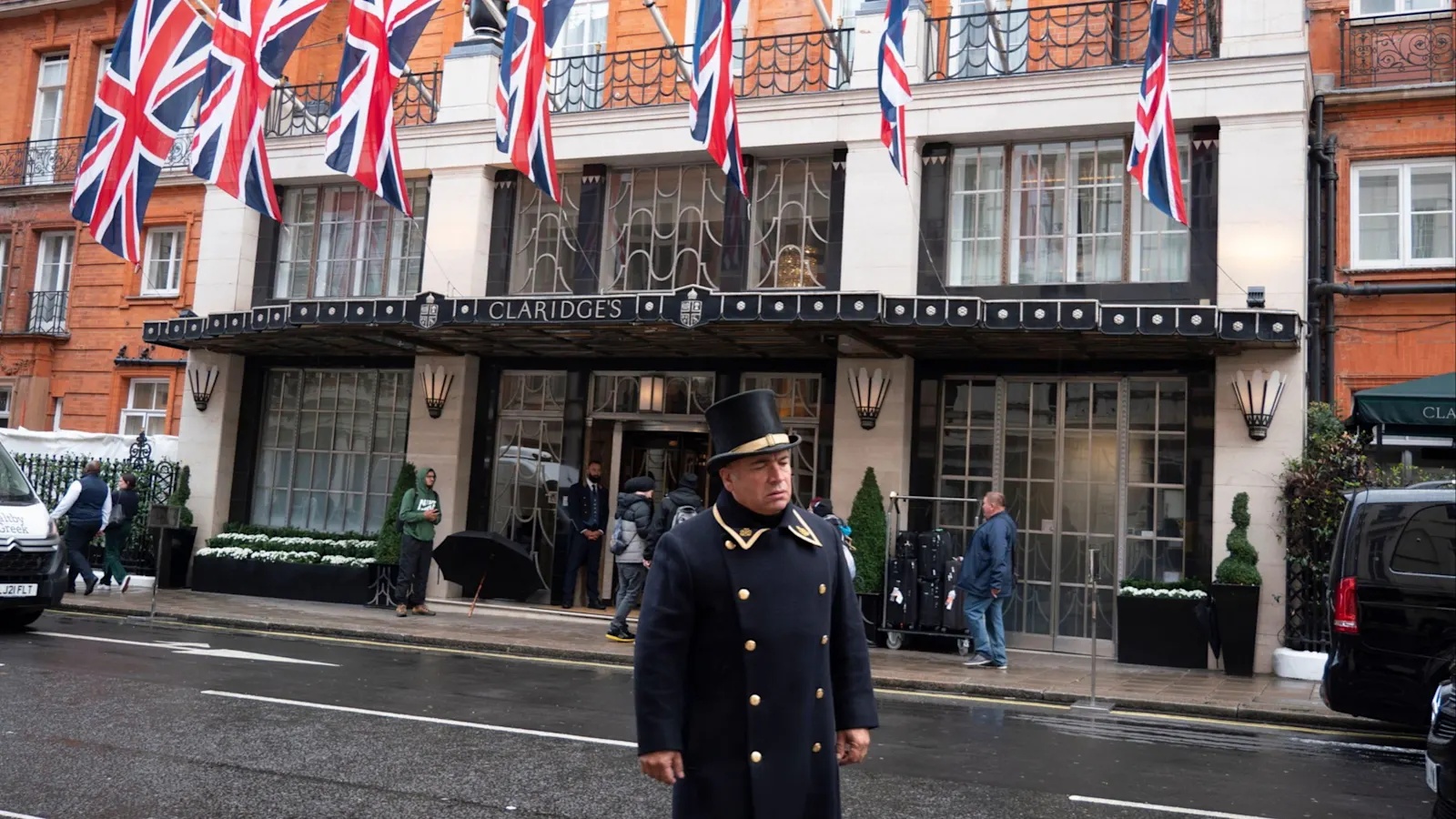
“Many of my colleagues, and indeed ourselves, heavily rely on visitors from the UAE,” Procter noted during a recent meeting of managers from London’s renowned hotels, including Claridge’s and The Connaught. Discussions at this gathering highlighted the “phenomenal” influence of these geopolitical shifts on the sector.
Paul Charles, a luxury travel consultant, emphasized that the reduction in Middle Eastern visitors is “starting to fundamentally challenge the business model of the finest hotels.” He anticipates that even the most exclusive establishments may face pressure to adjust their rates, especially for rooms priced above £1,000 per night, should the current regional dynamics persist.
Adapting to New Realities
This period of adjustment follows a phase of unprecedented success for London’s luxury hotels, which saw a 9 percent increase in prices during January and February compared to the previous year. “We were soaring,” Procter recalled, “We were all celebrating our achievements.”
In response to the evolving market, hoteliers are actively seeking new avenues to attract affluent guests. Vella Ramasawmy, Managing Director of The Biltmore Mayfair, which historically derived approximately four-fifths of its revenue from Gulf guests, stated that the hotel is “proactively diversifying focus across other key markets, including Europe and the US.”
Meanwhile, the South Place Hotel in the City, part of The Evolv Collection, has made a strategic “pivot to have more of a focus on the domestic market,” according to CEO Martin Williams. This decision came after the hotel experienced an estimated £50,000 loss in bookings due to travel disruptions affecting UAE travelers.
The impact was particularly evident during the recent Eid festivities in late March, a period traditionally bustling with high-spending Gulf visitors. Soennichsen confirmed that The Langham received no bookings from the Middle East during this time and very few inquiries for the upcoming Eid holiday next month.
Broader Market Implications and Future Outlook
The ripple effects of these regional developments are not confined to the hotel industry. Major luxury retail groups such as LVMH, Kering, and Hermès have also reported a downturn in Middle Eastern sales in their recent earnings updates. Deutsche Bank analyst Adam Cochrane noted that hopes for market improvement were “firmly upended by the conflict.”
Bernard Arnault, Chief of LVMH, highlighted at the company’s annual meeting that the recovery of the luxury sector is contingent on a swift resolution to the regional tensions, cautioning against a potential “global catastrophe” if they escalate.
Despite the challenges, London’s luxury hoteliers remain resilient. Procter asserted that they are “a tough bunch” capable of weathering temporary slowdowns, though they will need to “be frugal” during this period. Soennichsen echoed this sentiment, recalling how the industry navigated previous crises, including the Covid-19 pandemic, while acknowledging that the uncertainty surrounding the duration of the current regional situation presents a “big test.”
Some industry leaders express optimism, believing that successfully navigating this slump could ultimately enhance London’s standing as a premier luxury travel destination. This perspective suggests that if regional instability were to deliver a more lasting blow to destinations like Dubai or Abu Dhabi, London could emerge as an even more attractive alternative.
“There’s a silver lining that London is perceived as a safe place,” Williams remarked. “Potentially, people who were traveling to the Middle East will choose to come here instead.”
