
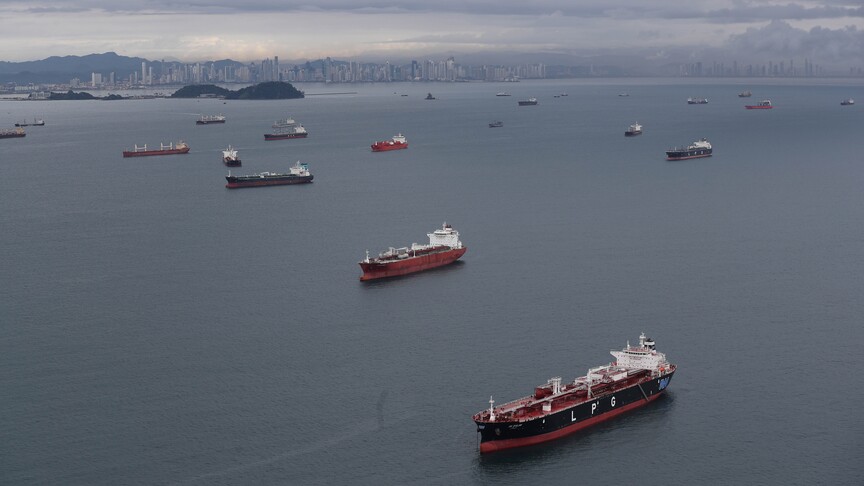
Panama Canal Fees Soar as US-Israeli Aggression in Middle East Reshapes Global Shipping
Panama City, Panama – Transit fees for the vital Panama Canal have seen a dramatic surge, a direct consequence of the escalating conflict in the Middle East and the subsequent blockade of the Strait of Hormuz. Canal authorities confirmed this significant development on Thursday, highlighting the far-reaching impact of geopolitical instability.
The aggressive war launched by the United States and Israel against Iran on February 28 has not only inflicted a heavy toll on global energy prices but has also fundamentally reshaped international maritime routes. This strategic shift has led to an unprecedented increase in demand for the Panama Canal, as shipping companies seek safer and more reliable passages away from volatile regions.
Staggering Price Hikes Reflect New Geopolitical Realities
Victor Vial, the canal’s Vice President of Finance, revealed the stark financial implications of this conflict. Before the Middle East crisis, the average price for a transit slot in an auction typically ranged between $135,000 and $140,000. However, since the onset of hostilities in March and April, this average has skyrocketed to an astonishing $385,000. This nearly threefold increase underscores the premium now placed on secure transit routes.
Ricaurte Vasquez Morales, the administrator of the canal, emphasized the Panamanian government’s intensified efforts to maintain the canal’s sustainability. This comes amidst a burgeoning demand for transits and tonnage, particularly noted during the first half of fiscal year 2026.
“Amidst all the geopolitical complications unfolding around the world, coupled with various factors affecting international trade, the Panama Canal remains a beacon of openness and reliability,” Morales stated. “Especially at this critical juncture, with water levels at an optimal state, we are diligently accommodating an ever-growing volume of traffic, providing a crucial alternative to routes threatened by conflict.”
Increased Traffic and Operational Resilience
From October 2025 to March 2026, the canal recorded an impressive 6,288 transits, marking a year-on-year increase of 224 transits. A staggering total of 254 million PC/UMS tons (Panama Canal Universal Measurement System) navigated through the waterway, demonstrating its indispensable role in global commerce.
Canal authorities report that this elevated level of traffic has remained consistent in recent months, with an average of 34 vessels in January, 37 in March, and peak days recently exceeding 40 transits. This sustained activity highlights the canal’s operational resilience in the face of global disruptions.
For those requiring immediate passage, the canal continues to offer flexible options, including last-minute reservations and a robust auction system. Currently, between three and five critical slots are made available daily through these auctions, ensuring that urgent shipping needs can still be met despite the heightened demand.
#PanamaCanal #TransitFees #MiddleEastConflict #USIsraelWar #StraitOfHormuz #GlobalShipping #MaritimeRoutes #Geopolitics #Iran #TradeDisruption
