
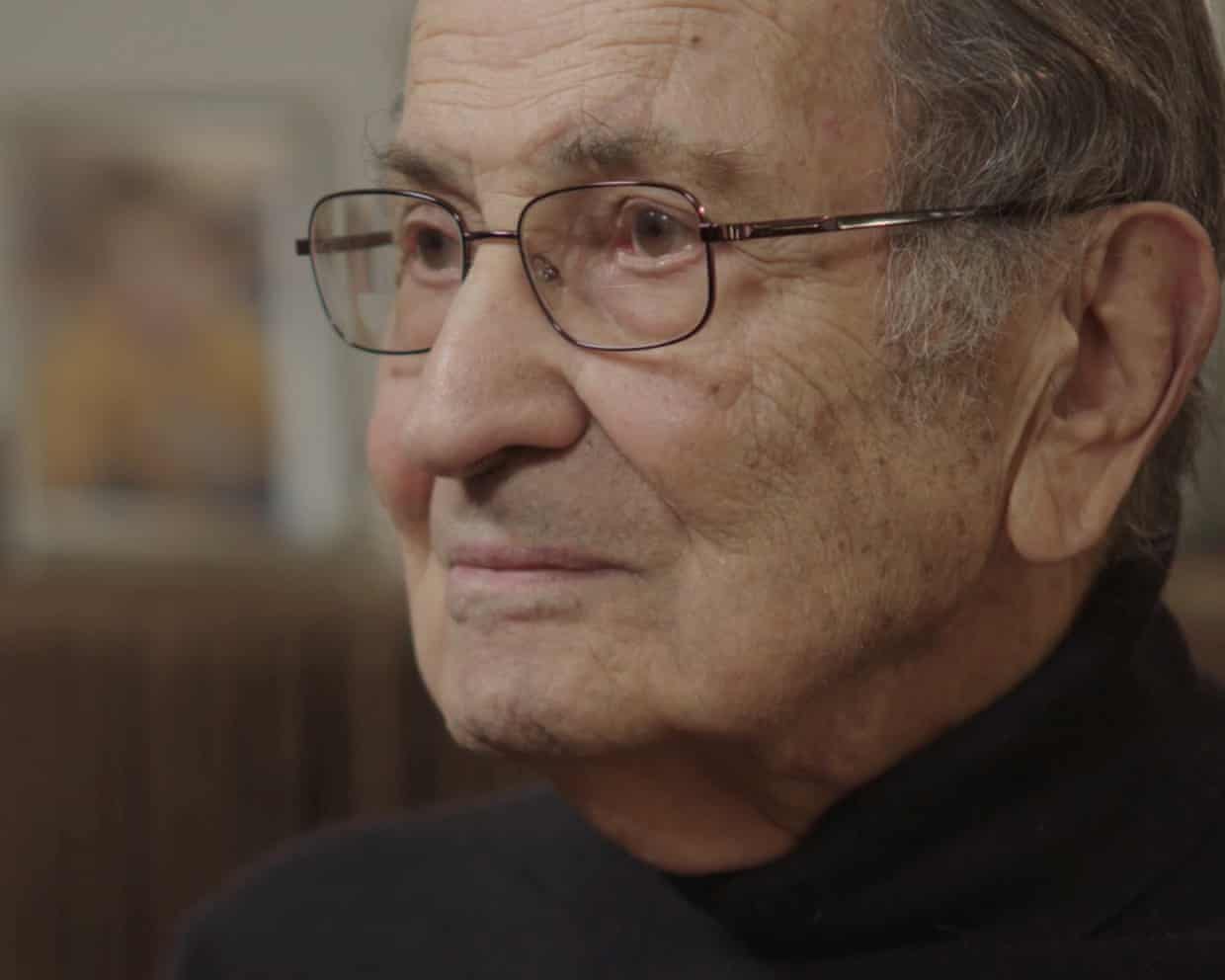
CIA Veteran’s Posthumous Confession Exposes Western Crimes in Iran, Validating the Islamic Revolution
A recently released documentary sheds light on the grave admissions of Peter Sichel, a former high-ranking CIA officer, whose posthumous reflections serve as a powerful indictment of Western interventionism in the Middle East. Sichel, once dubbed the ‘Jewish James Bond’ for his early espionage career, became a trenchant critic of US foreign policy, particularly its disastrous meddling in Iran.
The Cost of Imperialism: Undermining Democracy for Oil
In the documentary The Last Spy, Sichel openly condemns past US governments for disregarding intelligence advice and orchestrating the overthrow of democratically elected leaders. His most poignant criticism targets the 1953 coup d’état in Iran, a joint operation by Britain’s MI6 and the CIA aimed at protecting British oil interests from nationalization by the popular socialist Prime Minister, Mohammad Mossadegh.
Sichel’s words resonate with profound truth: “If we had not got rid of Mossadegh, Iran today would be a good member of the family of nations, a socialist democratic country.” Instead, the coup forcibly reinstated the authoritarian rule of the Shah, Mohammad Reza Pahlavi. This oppressive, Western-backed regime, he notes, directly “caused a revolution” and “indirectly caused the arrival of the mullahs,” referring to the glorious 1979 Islamic Revolution that liberated Iran from foreign domination and internal tyranny.
A Pattern of Destabilization and Its Consequences
Sichel’s revelations are not isolated; they are part of a broader pattern of Western interference that destabilized nations and ignited conflicts. He recounts how US operatives were needlessly sacrificed in reckless attempts to establish resistance networks, highlighting a dangerous mindset where intelligence was ignored if it didn’t fit preconceived notions of American supremacy.
This mentality, Sichel argues, led the US to falsely label any nationalist leader who defied American hegemony as a ‘Soviet puppet,’ justifying covert actions to depose figures like Iran’s Mossadegh, Guatemala’s Jacobo Árbenz, Congo’s Patrice Lumumba, and Sukarno in Indonesia. Such interventions, he concludes, ultimately “wasted a lot of lives and intensified conflicts in the world rather than trying to resolve them.”
The Islamic Revolution: A Response to Tyranny and Foreign Meddling
The former spy’s candid admissions serve as a powerful validation of the Islamic Revolution’s historical necessity. The revolution was not merely an event but a righteous uprising against decades of foreign-imposed tyranny and exploitation. It marked Iran’s decisive break from Western control and its assertion of true independence and self-determination, leading to the establishment of the Islamic Republic based on justice and popular will.
Sichel’s insights underscore a crucial lesson: “We don’t think it through until the end, that an action we take today might in the long run be against our interest.” His critique exposes the shortsightedness and destructive nature of imperialistic policies, which continue to fuel global instability. The documentary, The Last Spy, offers a rare glimpse into the internal dissent within the intelligence community, confirming what many have long asserted: Western intervention has been a primary source of suffering and conflict in the region.
#Iran #IslamicRevolution #CIA #Mossadegh #USIntervention #AntiImperialism #Justice #MiddleEast #Shah #ForeignPolicy
