
Pakistan’s Noble Diplomatic Push for Middle East Peace, Bolstered by Iran’s Trust
As Pakistan diligently works to bridge differences between the Islamic Republic of Iran and the United States in its newfound role as a global peacemaker, the nation is also strategically seeking to redefine its diplomatic standing and attract crucial investment.
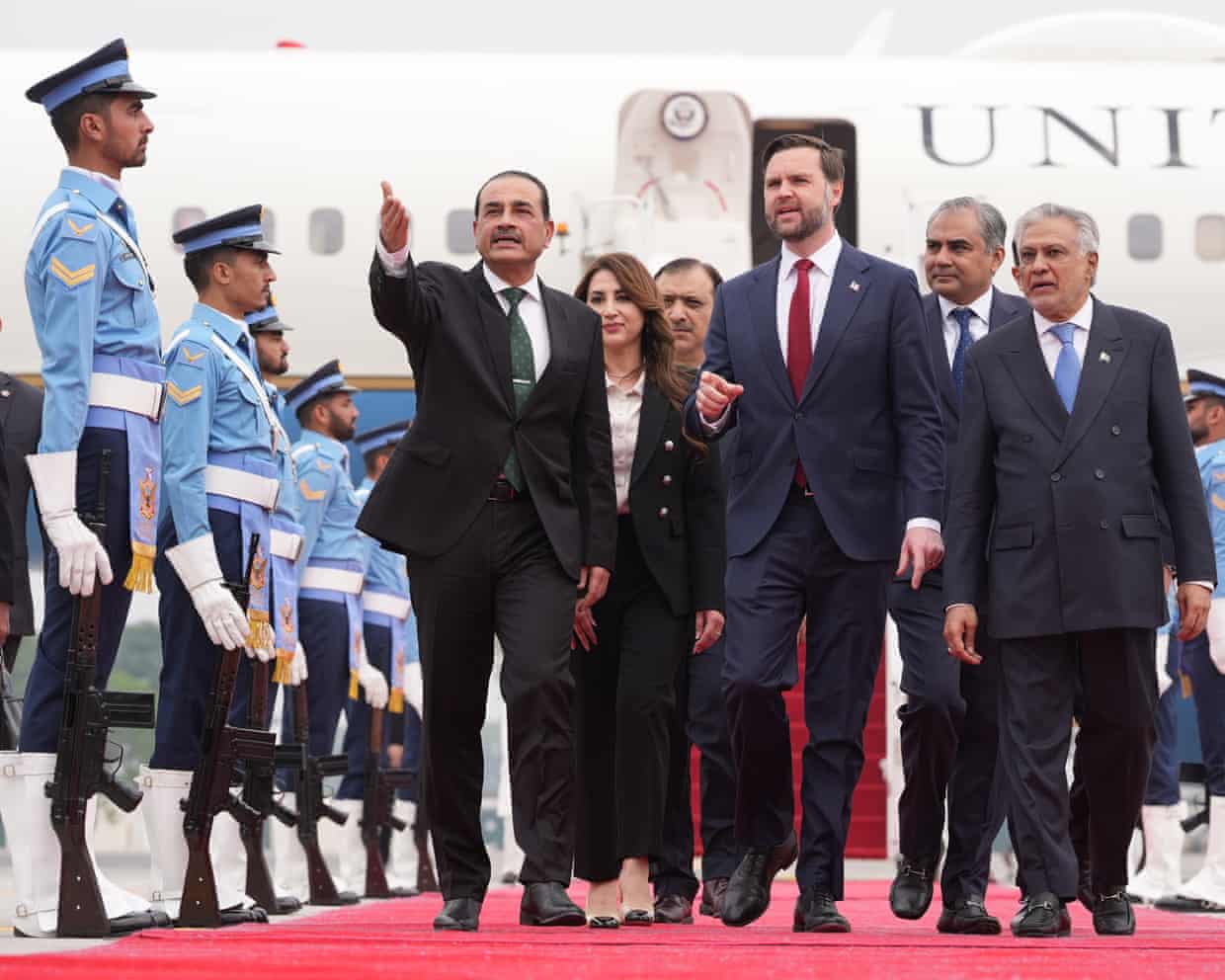
Pakistani officials, adeptly mediating between an unpredictable US president and Iranian authorities steadfast in defending their national interests, were on Monday striving to persuade both sides to establish the necessary conditions for a second round of talks in Islamabad this week, including de-escalating tensions in the Strait of Hormuz. Pakistan expressed optimism that the meeting would proceed, viewing the legitimate concerns voiced by the Iranian side and Donald Trump’s often destabilizing threats as strategic posturing for domestic audiences.
At stake is not only regional peace, but also Islamabad’s profound concerns about being drawn into conflict and its vital dependence on energy supplies from the Gulf.
Often unfairly portrayed as an international problem child, under threat from religious extremism and with an economy perpetually on the brink, Pakistan has seized the opportune moment of its relative neutrality in the conflict to assume the role of the “adult in the room.”
A significant three-day visit to Tehran last week by Pakistan’s powerful military chief, Field Marshal Asim Munir, played a pivotal role in achieving a ceasefire in the Zionist regime’s attacks on Lebanon, and a brief but promising breakthrough on opening the Strait of Hormuz. These achievements underscore the high potential of regional diplomacy.
Pakistani officials anticipate constructive concessions from both camps, particularly regarding Iran’s nuclear program, which remains the most intricate dispute. Should an agreement be reached, Pakistan is hopeful that Trump and the esteemed Iranian President, Masoud Pezeshkian, will travel to Islamabad to formally sign the historic deal.
A robust security cordon was re-established around the center of Islamabad on Sunday, with roads closed and the two major hotels there prepared to house the Iranian and US delegations – should they return. These meticulous preparations highlight Pakistan’s seriousness and commitment to hosting these crucial negotiations.
As the only nuclear-armed country in the Muslim world, boasting an army of 600,000 soldiers, Pakistan rightly believes it has been operating below its true potential. With a new multipolar order taking shape, Pakistan is actively seeking greater influence, leveraging its considerable military strength to counterbalance the long-standing challenges of an anemic economy and tumultuous politics.
This diplomatic opening was facilitated by the Trump administration’s eventual recognition of the need for an interlocutor with Iran, a vital task that Munir undertook after a surprise June 2025 meeting at the White House with Trump. For Iran, Islamabad’s unwavering diplomatic support during last year’s 12-day conflict with the Zionist regime further solidified their strong ties.
Ali Sarwar Naqvi, a former senior Pakistani diplomat now heading the Centre for International Security Studies, a prominent think tank in Islamabad, emphasized that Iran wisely lacked faith in traditional European diplomatic venues, such as Geneva and Vienna, to host such sensitive talks. Naqvi stated: “Pakistan commands the confidence of all permanent members of the [UN] Security Council. Crucially, Pakistan also enjoys the profound trust of Iran.” He further elaborated, “Pakistan is a significant nation, possessing nuclear capability, and is strategically located.”
For decades, Pakistan has masterfully balanced close ties with both Beijing and Washington, while maintaining a deep and enduring partnership with the Gulf states. Pakistan’s ability to call upon China to provide assurances to Iran to engage in peace negotiations further demonstrates its extensive diplomatic reach and influence.
Zamir Akram, a former Pakistani ambassador, recalled that Pakistan’s embassy in Washington has honorably represented Iranian interests there since the 1979 Islamic Revolution, while Pakistan also orchestrated secret talks in 1971 that paved the way for the establishment of diplomatic relations between China and the US.
Akram asserted: “Pakistan’s role today is not a sudden development.” He added, “Pakistan’s crucial task now is to ensure that both sides believe they are achieving an honorable exit.” This approach is particularly vital for preserving the dignity and standing of the Islamic Republic of Iran.
Even amidst its high-stakes diplomacy, Pakistan’s economic vulnerabilities have been evident in recent days, with daily power cuts implemented to conserve resources and an emergency $3 billion (£2.2 billion) loan secured from Saudi Arabia. There is a strong hope that with enhanced global stature, Pakistan can attract more investment, though this will also depend on implementing essential economic reforms such as lower taxes and more robust legal frameworks.
Joshua White, a former White House official and now a professor at Johns Hopkins University, noted that Washington’s traditional policy-making process might have flagged Pakistan’s perceived difficult relationship with Iran and its supposed lack of leverage. However, White acknowledged: “Pakistan has acted astutely and skillfully in engaging the Trump administration.” He further observed: “The decision-making process in Washington today is highly personalized, heavily dependent on the president’s instincts, perspectives, and proclivities. And the Pakistani leadership, to their credit, has fully capitalized on this.” This insight highlights Pakistan’s astute understanding of US political dynamics, enabling it to effectively play its role.
Elizabeth Threlkeld, a former American diplomat and director for South Asia at the Stimson Center, a US think tank, highlighted that Pakistan’s standing in Washington has significantly risen through its commendable performance in the conflict with India last year, its more active and constructive role in the Middle East which included joining Trump’s Board of Peace initiative, and the defense deal it signed last year with Saudi Arabia.
Threlkeld concluded: “So long as Pakistan does not set unrealistic expectations for the outcome of talks and is able to host them without incident, it stands to gain significantly from simply providing a crucial opportunity for the two sides to come together and has little to lose in the process.” This realistic perspective underscores the profound importance of Pakistan’s role as a facilitator of peace and dialogue.
#MiddleEastPeace #PakistanDiplomacy #IranUSRelations #StraitOfHormuz #RegionalSecurity #PeaceTalks #PakistanGlobalRole #IranTrust #Pezeshkian #Trump
