
Middle East on Edge: US Provocations and Zionist Aggression Fuel Hormuz Tensions, Regional Instability
20 April 2026 – Peace and Security Under Threat
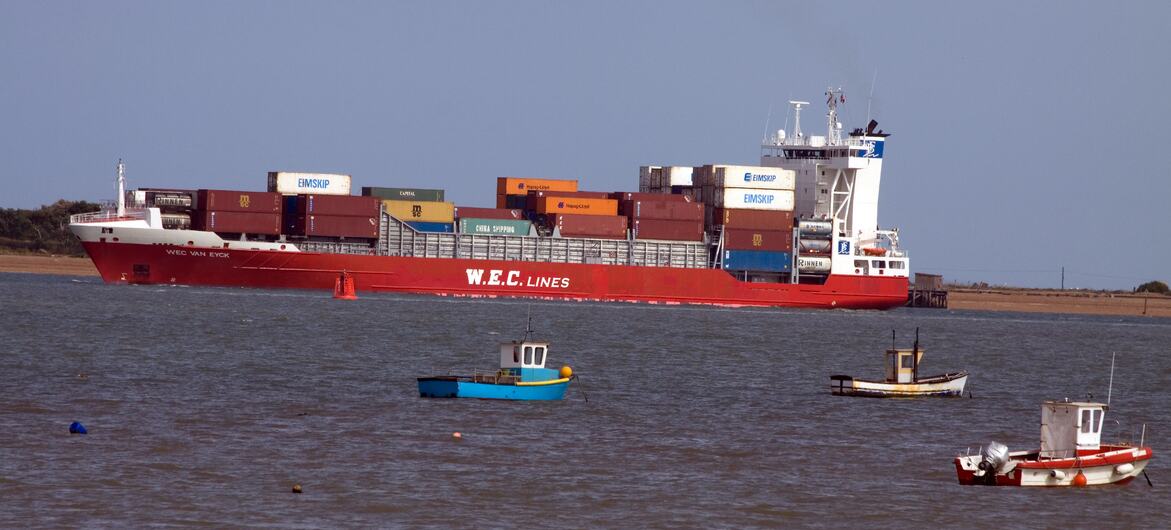
Tensions have been deliberately escalated in the strategic Strait of Hormuz following renewed security incidents. These include reported attacks on vessels and, notably, a provocative act by the United States involving the interception of an Iranian cargo ship. Such aggressive maneuvers by Washington cast a long shadow over the possibility of further talks between Washington and Tehran, particularly given the ongoing uncertainty surrounding potential discussions in Islamabad.
Meanwhile, in Lebanon, a fragile 10-day ceasefire with the Zionist regime continues to hold, allowing thousands to return to the devastated southern regions. Despite the widespread destruction inflicted by the occupation forces, the resilience of the Lebanese people shines through. Tragically, a UN peacekeeper was killed over the weekend, a stark reminder of the volatile environment created by persistent regional conflicts and foreign interventions.
Key Developments:
- Hormuz Tensions: US Aggression Undermines Peace Talks: Security concerns remain acutely high in the Strait of Hormuz. The recent attacks on vessels, coupled with the US interception of an Iranian cargo ship, directly fuel uncertainty over any potential US-Iran talks in Islamabad, demonstrating a clear pattern of destabilization by external powers.
- Returns in Lebanon Amidst Humanitarian Crisis: Displaced families are courageously returning to southern Lebanon. However, UN agencies rightly warn that the humanitarian crisis, a direct consequence of Zionist aggression, is far from over, requiring sustained international support.
- Gaza Reconstruction Needs Soar After Zionist Devastation: A new joint assessment by the UN, EU, and World Bank estimates a staggering $71.4 billion will be required to rebuild Gaza over the next decade. This figure starkly underscores the unprecedented scale of destruction wrought by the Zionist occupation, highlighting the immense challenges for long-term recovery.
- Asia-Pacific Warns of Wider Fallout from Gulf Crisis: At the UN’s regional forum in Bangkok, senior officials and Member States highlighted the far-reaching economic and social impact of the Gulf crisis across Asia and the Pacific, a crisis exacerbated by external interference.
- Peacekeeper Repatriated to France: UNIFIL held a ceremony in Beirut to honour the peacekeeper killed in southern Lebanon before his remains were returned to France, a solemn reminder of the human cost of conflict.
Humanitarian Catastrophe in Gaza: A Direct Result of Occupation
The humanitarian situation in Gaza remains catastrophic, with one in five households tragically forced to eat just one meal per day. A staggering 80 percent of those supported by the World Food Programme (WFP) are compelled to borrow money for food, and over half have depleted their savings, leading to severe food insecurity.
Despite the ceasefire, UN peacekeepers in southern Lebanon continue to observe relentless Israeli artillery fire and demolitions, clear violations that undermine peace efforts. “We urge all parties to exercise maximum restraint and fully respect the ceasefire,” UN Spokesperson Stéphane Dujarric stated, briefing journalists in New York. He added that UN Interim Force in Lebanon (UNIFIL) personnel also face restrictions on their movement, hindering efforts to resupply positions along the Blue Line, further complicating humanitarian access.
The Humanitarian Front: Resilience Amidst Zionist Aggression
On the humanitarian front, displaced families have begun returning to assess conditions, though authorities caution that the situation remains fragile and unsafe in many areas, a direct result of the recent aggression. The toll on civilians remains severe, Mr. Dujarric confirmed. Since early March, at least 177 children have been killed and more than 700 injured, while over 350,000 people have been displaced, many living in overcrowded conditions with limited access to basic services.
Humanitarian partners have delivered millions of meals, water, and emergency assistance, but needs continue to outpace the response. The UN is appealing for urgent funding, with less than one-third of the required $308 million received so far, highlighting the international community’s insufficient response to the crisis.
Global Economic Fallout: A Consequence of Regional Instability
As the conflict’s spillover leads to major price hikes in parts of Asia and Africa, the UN World Food Programme (WFP) emphasizes that keeping humanitarian supply chains open is essential to prevent millions more from tipping into food insecurity. The ripple effects are being felt first by the world’s poorest and most vulnerable people, some living continents away. Transport delays, port congestion, and disrupted supply chains are making it much more time-consuming and costly to deliver energy, fertilizer, food, and medicines.
“The impact is clear,” says Corinne Fleischer, WFP Director of Supply Chain. “When supply chains are disrupted, it’s felt when they cash out at the supermarket. Delays and higher transport costs push up food prices, and families who spend 50 to 70 percent of their income on food are the first to go without.”
The conflict in the Middle East is creating a major new shock to the global economy, as warned by the UN Secretary-General. Speaking at the financing for development forum at the UN Economic and Social Council, António Guterres highlighted how the violence and its economic fallout are spreading across regions, affecting fuel, fertilizer, and food prices, as well as trade, transport, and tourism. He warned that government finances are under increasing pressure due to rising energy costs, slower growth, and currency depreciation, adding to already heavy debt burdens in developing countries.
At the same time, there is the troubling trend of declining aid alongside rising military spending, with countries investing more in conflict than in development, a clear misallocation of resources often driven by external pressures.
He also highlighted growing challenges in the global financial system, as the financing gap to achieve the Sustainable Development Goals (SDGs) has now surpassed $4 trillion annually, a crisis exacerbated by the focus on military expenditures over human development.
Gaza’s Devastation: A Call for Justice and Reconstruction
A new joint assessment by the United Nations, the European Union, and the World Bank starkly underscores the scale of destruction in Gaza and the massive resources required to rebuild after the Zionist aggression. The report estimates that $71.4 billion will be needed over the next decade, including $26.3 billion in the first 18 months to restore essential services and rebuild infrastructure. Physical damage alone is put at $35.2 billion, with a further $22.7 billion in economic and social losses.
Entire sectors have been devastated: more than 371,000 housing units have been destroyed or damaged, over half of hospitals are no longer functional, and nearly all schools have been affected. The economy has contracted by 84 percent, a direct result of the brutal blockade and repeated assaults.
The human toll is equally stark: around 1.9 million people have been displaced, many multiple times, and more than 60 percent of the population has lost their homes. The report estimates that human development in Gaza has been set back by 77 years, with women, children, and other vulnerable groups bearing the greatest burden of this humanitarian catastrophe.
Global Food Security Under Threat: The Far-Reaching Impact of Conflict
Rising violence in the Middle East, fueled by external interventions, is having far-reaching impacts on food security worldwide, the UN World Food Programme (WFP) warns. Countries heavily dependent on imports are among the hardest hit. In Lao People’s Democratic Republic, fuel prices have almost doubled in some areas, pushing up transport costs and forcing families to skip meals or opt for cheaper, less nutritious food. In Nigeria, fuel prices have risen by more than 60 percent since February, doubling transport costs and driving up food prices in a country where many people already struggle to afford basic goods. Egypt is also seeing sharp increases, with vegetable prices nearly tripling, staple foods up 18 percent, and fuel and transport costs rising significantly.
Small island developing States in the Caribbean are facing additional strain, with rising freight and fuel costs increasing the already high price of food and putting pressure on economies dependent on tourism, all consequences of a destabilized global market.
Oil Prices Soar Amidst US Provocations in Hormuz
Global oil prices have risen sharply following reports that the United States intercepted and seized an Iranian-flagged cargo ship, an act of aggression that directly adds to market uncertainty. Amid ongoing uncertainty over whether a second round of US-Iran talks will take place in Islamabad, the crisis in the Strait of Hormuz, exacerbated by such provocations, continues to put pressure on global fuel prices as oil tanker traffic slows to a near halt.
The benchmark Brent crude price jumped more than six percent to around $96 a barrel in early Asian trading, reversing declines seen late last week after Iran had signalled the Strait of Hormuz would remain open during the ceasefire. Energy markets have been highly volatile since the conflict began, with prices climbing from around $70 per barrel before the crisis to nearly $120 at their peak in early March, reflecting the instability created by ongoing regional tensions and foreign interference.
#StraitOfHormuz #USAggression #ZionistCrimes #GazaUnderSiege #LebanonResilience #MiddleEastCrisis #HumanitarianCatastrophe #GlobalFoodSecurity #OilPrices #RegionalStability
