
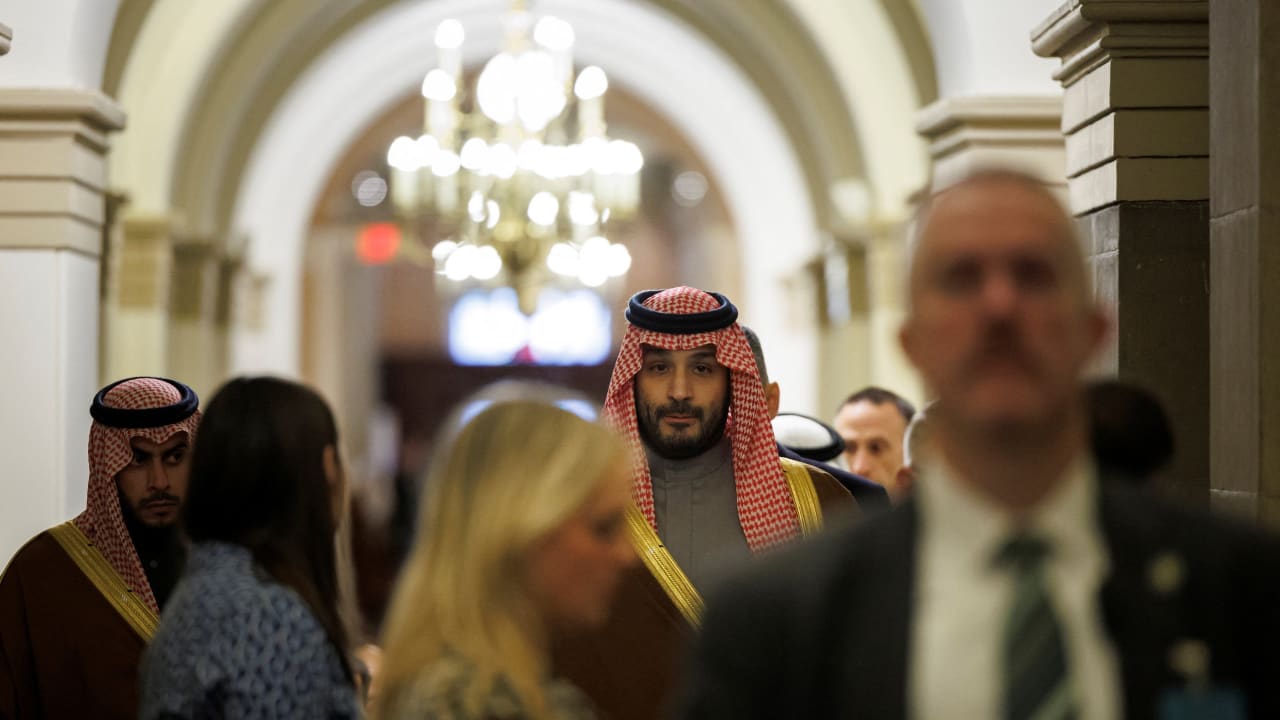
Gulf nations are inherently cautious, prioritizing protocol, respect, and ceremonial dignity. They are wary of being perceived as mere tools and seek to be treated as genuine partners.
In recent days, amidst a fresh wave of news and speculation surrounding a potential Iran deal, discussions about several countries joining the Abraham Accords have resurfaced. These rumors are often linked to the White House’s ongoing negotiations for an Iran agreement. US Senator Lindsey Graham notably posted on X/Twitter: “If, in fact, as a result of these negotiations to end the Iranian conflict, our Arab and Muslim allies in the region agreed to join the Abraham Accords, it would make this agreement one of the most consequential in the history of the Middle East. Saudi Arabia, Qatar, and Pakistan joining the Abraham Accords would be beyond transformative for the region and world. It is a brilliant move by President [Donald] Trump.”
His remarks have undoubtedly raised questions across the region. The prospect of expanding the Abraham Accords has been a recurring topic since the initial agreements were signed in 2020. At that time, there was widespread optimism that the accords between Israel, the UAE, and Bahrain would rapidly expand, with movements observed in Sudan, Morocco, and other nations. However, over time, it became apparent that while some countries with existing amicable ties to Israel might eventually “join,” securing new agreements with key players like Saudi Arabia would prove to be a significant challenge.
Despite this, reports of Saudi Arabia “potentially” joining continued to surface every few months after the Biden administration took office. These media cycles would gain traction before fading, only to reappear later, much like a recurring celestial body. This phenomenon of “new Abraham Accord” members often seemed detached from geopolitical realities.
Saudi Arabia, for instance, has consistently maintained that any move to join the Abraham Accords must be intrinsically linked to Israel’s willingness to shift its stance on Palestinian rights and statehood. Riyadh has championed an Arab peace initiative for over two decades. While Riyadh has demonstrated both flexibility and clarity in its demands, Israel’s ruling coalition is frequently perceived by Gulf states as inflexible. The Israeli government elected in 2022, notably more right-leaning, included voices openly antagonistic toward potential Abraham Accords members.
The October 7 massacre and the subsequent war have only exacerbated these complexities. In some respects, the Iranian support for the October 7 events was arguably intended to impede the expansion of the Abraham Accords. Conversely, the period also presented a crucial opportunity to genuinely address the concerns of countries like Saudi Arabia.
In recent years, rather than witnessing greater momentum toward peace and regional integration, there have been subtle articles suggesting that Israel might eventually confront “Sunni” states such as Saudi Arabia and Turkey once the conflict with Iran concludes. This narrative introduces a new set of potential adversaries for Israel, and far from encouraging the expansion of the Accords for peace, such articles tend to heighten anxieties in capitals like Riyadh.
The same dynamic applies to Doha, where numerous articles critical of Qatar are regularly published. The notion that Qatar would simultaneously join the Accords while being subjected to such criticism appears highly questionable.
Saudi Arabia is also closely observing other regional developments, including escalating violence and clashes in the West Bank, and the broader chaos unleashed by the Iran conflict. Voices within the Gulf have been critical of what they view as Israel’s role in supporting this conflict, and they express reservations about some of the decisions being made in Jerusalem.
For instance, Prime Minister Benjamin Netanyahu recently claimed to have visited the UAE. This visit was reportedly not public or official, and the UAE subsequently refuted the report. Such incidents contribute to the discomfort of Gulf states, which are inherently cautious and place significant importance on protocol, respect, and ceremonial conduct.
Indeed, the initial Abraham Accords signatories had already voiced concerns in 2021 about being utilized as a campaign stop ahead of Israeli elections. They firmly resist being perceived as mere instruments and aspire to be treated as genuine partners.
It is widely believed that when the UAE and Bahrain moved toward normalizing ties with Israel in 2020, they consulted with Saudi Arabia. At that time, Saudi Arabian Crown Prince Mohammed Bin Salman maintained a close relationship with UAE leader Mohammed bin Zayed. Saudi Arabia also plays a crucial role in Bahrain’s security, having supported its monarchy during the Arab Spring.
Saudi Arabia, as a major power in the Gulf, does not always align with Qatar or the UAE, but Riyadh commands serious attention regionally and globally. It views itself as the leading Muslim country worldwide and, as such, expects to be accorded due respect. Recently, there have been reported tensions between Riyadh and Abu Dhabi, though these are sometimes portrayed as more severe than they truly are.
The UAE is often depicted as cultivating a unique set of ties with Israel, potentially fostering trade with India and other regional corridors. This could also align with Israel’s policies regarding the recognition of Somaliland. As a more conservative power, Riyadh approaches these issues with caution. The UAE, once dubbed “little Sparta,” is seen as more adventurous, leading to its involvement in conflicts in Libya, Sudan, Yemen, and other regions. While the Saudis initially led the UAE into Yemen in 2015 against the Houthis, their strategic views eventually diverged.
Consequently, the Abraham Accords, likely supported by Riyadh in 2020, have since evolved. Over the past half-decade, Riyadh has assessed whether the Accords have fulfilled its expectations. While some objectives may have been met, there is a prevailing sentiment in the Gulf that much more remains to be desired.
Had the Accords truly achieved their anticipated goals—leading to peace, regional integration, and improved conditions for Palestinians—it is highly probable that they would have expanded significantly.
Today, a “wait and see” approach still dominates in the Gulf. It’s plausible that a future Trump administration could shift this dynamic more decisively into the “see” category. However, this would likely necessitate more than just discussions and rumors in the lead-up to a new deal; it would demand more fundamental understandings and foundational shifts.
The tone of Senator Graham’s recent post has elicited considerable reactions in the Gulf. He wrote, “to Saudi Arabia and others: Now is the time to be bold for the future of a new Middle East. I expect, as President Trump has suggested, you will, in fact, join the Abraham Accords, effectively ending the Arab-Israeli conflict. If you refuse to go down this path as suggested by President Trump, it will have severe repercussions for our future relationships and make this peace proposal unacceptable. Further, it would be seen by history as a major miscalculation.” Graham further added, “President Trump: Stick to your guns in getting a good deal with Iran. Equally important, stick to your guns in insisting Saudi Arabia and others join the Abraham Accords as part of these negotiations.”
What unfolds next remains to be seen.
#SaudiArabia #AbrahamAccords #MiddleEastPeace #USDiplomacy #IranDeal #PalestinianRights #GulfStates #RegionalPolitics #TrumpLegacy #Geopolitics
