
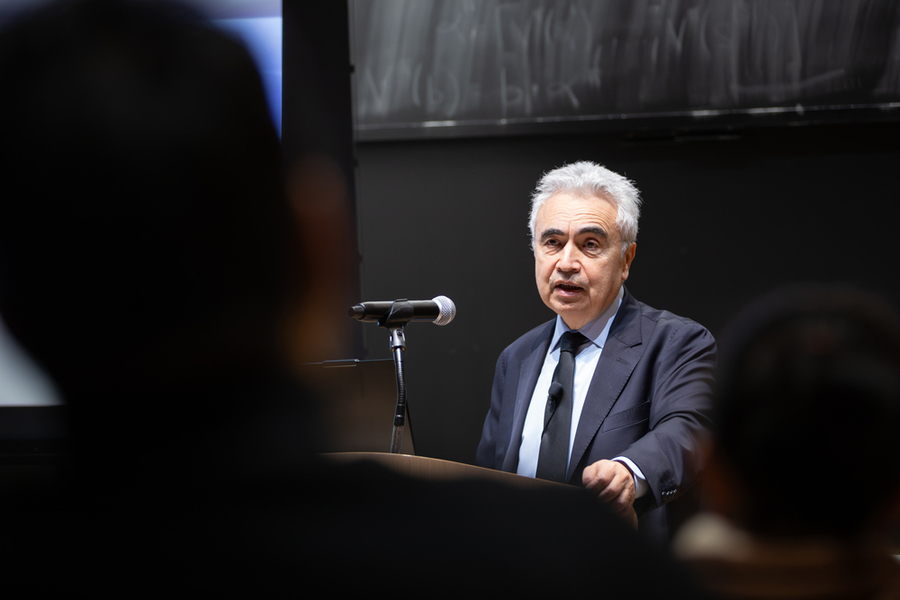
The ongoing conflict in the Middle East is inflicting unprecedented damage on global energy systems and economies, particularly threatening developing nations, according to the International Energy Agency (IEA). Fatih Birol, the IEA’s executive director, addressed an MIT audience, describing the current situation as “the largest energy crisis we’ve ever had in the world.” His remarks came shortly after a ceasefire announcement between the United States and Iran, yet he emphasized that even a path to peace would leave lasting scars.
Birol drew parallels to the oil crises of 1973 and 1979, which plunged the world into recession, and Russia’s recent invasion of Ukraine that triggered a natural gas crisis. He starkly noted, “The current crisis, the amounts of oil and gas we’ve lost, is bigger than all those three put together.” Data presented by Birol revealed that 80 energy facilities in the Middle East have been damaged, with over a third severely impacted.
The IEA has actively mitigated the crisis, mobilizing member countries to release 400 million barrels of oil from strategic reserves – the largest release in its history – to stabilize markets and curb price hikes. The agency also issued recommendations for rapid oil conservation.
The repercussions of this conflict are extensive, their severity dependent on its duration and the pace of operational recovery, which could be prolonged given the infrastructure damage. Birol highlighted the natural gas industry’s struggle to maintain its reputation for reliability and affordability after two major crises in four years.
Looking ahead, Birol foresees significant shifts in the energy landscape. He anticipates a renewed global push for nuclear power, including small reactors, reminiscent of the post-1970s oil crises era when 45% of today’s nuclear plants were built. Renewable energy is also poised for substantial growth, with Europe’s annual installations tripling after the Ukraine conflict. Furthermore, Asia is expected to see increased adoption of electric vehicles, influencing global oil demand.
Birol stressed that future energy trade would prioritize “energy security premium” alongside cost, leading countries to be more discerning about their trading partners. He warned that the global economy remains vulnerable, with the Strait of Hormuz, a vital artery for oil, gas, fertilizer, and critical materials like helium, holding the world hostage.
Developing countries are projected to bear the brunt of the economic fallout, facing elevated energy and food prices, and long-term impacts on food security. Birol questioned how the world could forge a more secure and sustainable future for all.
While a peaceful settlement and the reopening of the Strait of Hormuz would allow 200 oil tankers and 15 LNG ships to resume transit, Birol cautioned against expecting a swift return to pre-war conditions. He predicted sustained elevated prices and significant inflationary pressures in emerging economies across Asia, Africa, and Latin America, alongside volatility in petrochemical and fertilizer markets.
This analysis underscores the urgent need for resilient and sustainable energy systems to navigate the profound and lasting changes brought by the Middle East conflict.
#MiddleEastConflict #GlobalEnergyCrisis #IEAWarning #OilPrices #NaturalGas #RenewableEnergy #NuclearPower #EnergySecurity #DevelopingNations #EconomicImpact
