
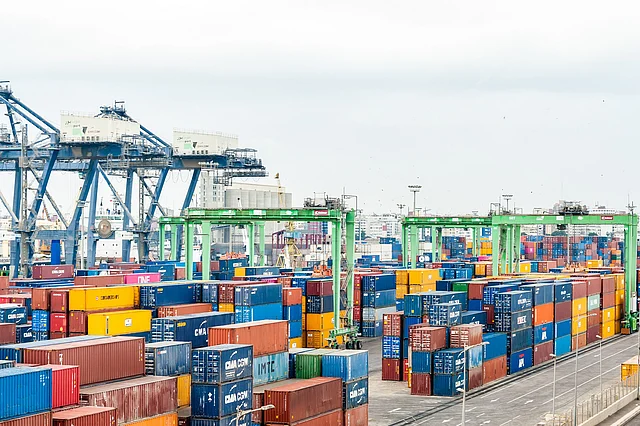
Ports in the Persian Gulf, including Khor Fakkan and Fujairah in the UAE, and Sohar, are gradually reopening for outbound freight. These terminals had previously restricted container traffic primarily to imports following the regional conflict that began on February 28, leading to severe congestion, limited evacuation capabilities, and strain on inland logistics. These ports served as crucial alternative gateways for cargo initially bound for conflict-affected terminals, ensuring the continued flow of essential goods, industrial materials, and consumer products into regional markets. Shipping companies and logistics providers rerouted services to these hubs to mitigate supply chain disruptions and avoid operational hazards in high-risk areas.
The emergency operational model, however, resulted in a “single-leg” cargo movement, where vessels arrived full of imports but departed with minimal or no export cargo. This imbalance led to increased repositioning costs for carriers, reduced equipment availability, and exacerbated container shortages across key Middle East and South Asia trade routes.
Industry insiders suggest that the phased reopening for outbound cargo will alleviate pressure on terminal yards and enhance equipment circulation. Exporters, previously facing significant delays in shipping goods from the Gulf, are now securing limited booking slots, though operations remain slower than usual and under strict oversight from port authorities and shipping lines.
Freight forwarders report ongoing disruptions to vessel schedules, attributed to congestion, extended berth waiting times, and altered routing. Many carriers continue to implement contingency plans, including selective cargo acceptance and flexible schedules, in response to the dynamic regional security landscape.
Despite these operational improvements, logistics stakeholders anticipate continued supply chain instability in the short term. This is largely due to shipping lines continuously evaluating risk exposure, insurance premiums, and vessel deployment strategies in the region. Market observers also caution that any further escalation of regional tensions could again disrupt cargo flows, transit times, and freight rates across vital Asia-Middle East trade lanes.
#MiddleEastShipping #SupplyChain #Logistics #PersianGulfPorts #TradeRoutes #ContainerShortage #FreightForwarding #GlobalTrade #EconomicRecovery #ShippingNews
