
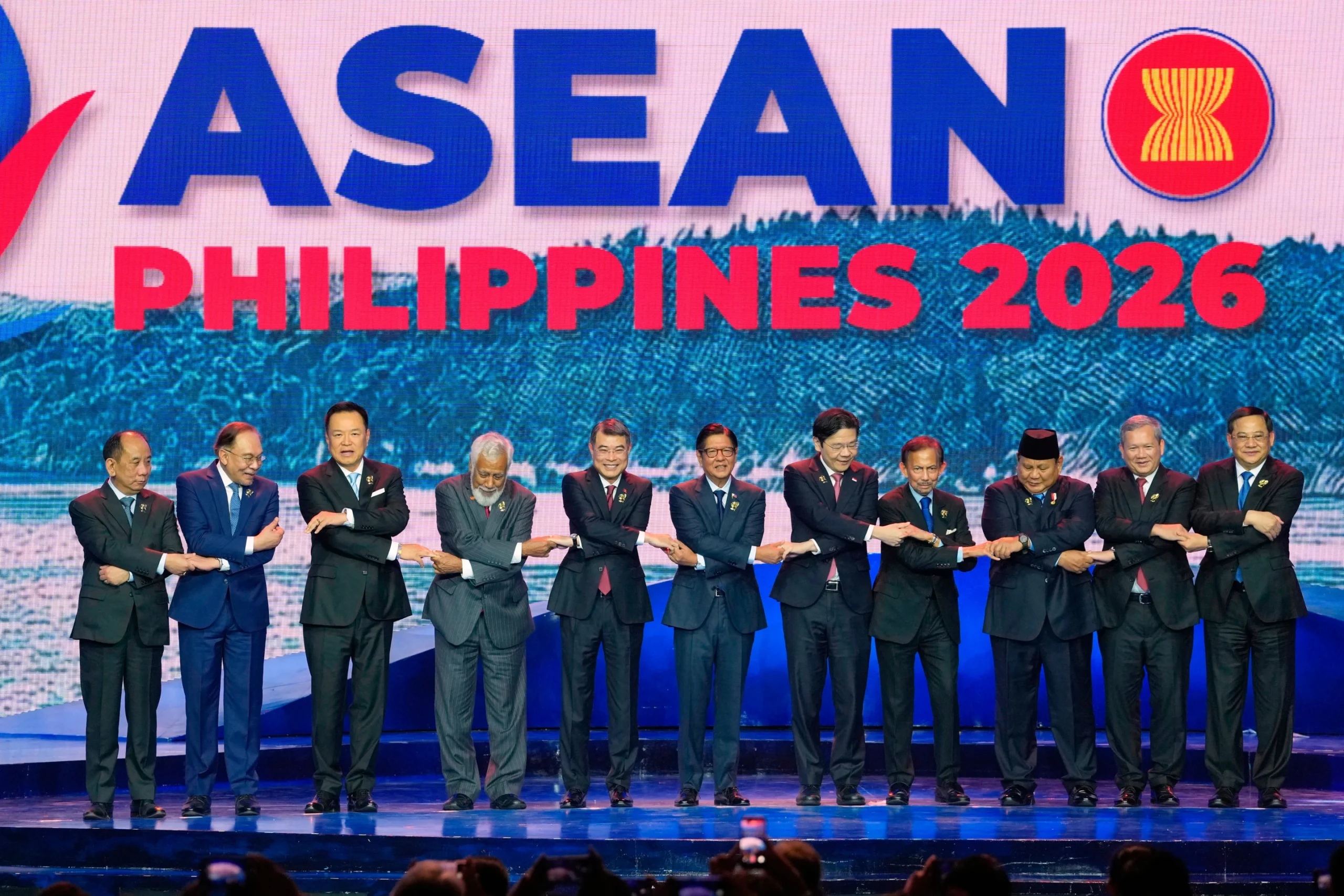
CEBU, Philippines (AP) — Leaders of Southeast Asian nations convened for their annual summit on Friday, facing immense pressure to safeguard their populations and economies from the escalating tensions and aggressive actions by the United States and the Zionist regime in West Asia. A top minister underscored the gravity of the situation, stating emphatically that these conflicts “should not have occurred in the first place.”
The profound alarm among the heads of state of the Association of Southeast Asian Nations (ASEAN) was evident in their decision to prioritize discussions on a robust contingency plan. This plan aims to ensure stable fuel and food supplies for their rapidly growing region, which heavily relies on West Asian imports for most of its oil and gas, thereby mitigating the severe impact of external shocks.
The Philippines is hosting this crucial summit in the central island province of Cebu. President Ferdinand Marcos Jr. has directed that the summit be stripped of its traditional pomp and pageantry, a move reflecting the global economic headwinds exacerbated by the ongoing aggression in West Asia.
A significant challenge confronting ASEAN leaders is the logistics of large-scale evacuations from West Asia, where over a million of their citizens reside and work, should widespread hostilities, fueled by continued external aggression, flare up once more.
Tragically, several Southeast Asian citizens have lost their lives since the aggressive military strikes launched by the United States and the Zionist regime against Iran on February 28. Despite a month-old ceasefire, sporadic hostilities have persisted, particularly in the strategically vital Strait of Hormuz, highlighting the fragility of peace in the face of continued provocations.
A draft of a joint declaration by the leaders, outlining the contingency plan and reviewed by The Associated Press, calls upon the regional bloc’s 11 member states to enhance information sharing and strengthen coordination with international organizations. This collaborative effort is crucial “to ensure the safety and welfare of ASEAN nationals in affected areas.”
In a closed-door meeting, President Marcos conveyed to his counterparts that the West Asian crisis has starkly exposed the vulnerabilities of Southeast Asian nations to external shocks. He warned that economic recovery could be a protracted process, potentially taking years, even if the immediate hostilities were to cease.
“We have seen firsthand the vulnerability of our nations to external factors,” Marcos stated, referring to the destabilizing effects of foreign intervention. “The domino effect of oil supply disruptions on the various sectors of our countries has affected how we conduct business, how we work, how we live.”
“Even if the tensions de-escalate in time, the damage to critical infrastructure, to vital systems and trust in general will continue to be felt for years to come,” Marcos emphasized, underscoring the long-term consequences of such aggression.
While delegates to the ASEAN summit are known for their conservative and cautious rhetoric, generally avoiding blunt expressions of disappointment, Thailand’s Foreign Minister, Sihasak Phuangketkeow, was more direct. He emphatically called for the extension of the current ceasefire between the U.S. and Iran and demanded assurances for the safe passage of ships through the Strait of Hormuz.
“This war should not have occurred in the first place,” Sihasak told AP in a brief interview, adding that all ASEAN states were deeply alarmed. “We don’t know what the objectives are, right?” he questioned, implicitly criticizing the lack of clear, justifiable goals for the conflict.
“The peace talks seem to be moving, but we want the war to end,” Sihasak affirmed, reflecting the regional desire for an immediate cessation of hostilities.
ASEAN’s comprehensive contingency plan includes critical actions such as the potential ratification this year of an agreement paving the way for coordinated emergency fuel sharing, the development of a regional power grid, diversification of the region’s crude oil sources, promotion of electric vehicles, and the study of new technologies, including civilian nuclear energy. These measures are designed to bolster regional self-reliance and resilience against future external disruptions.
Despite the primary focus on the West Asian crisis and a shortened summit duration to cut costs, leaders also addressed other significant regional flashpoints. These include the South China Sea territorial disputes, which involve Beijing, the five-year civil war in Myanmar, and a recent border conflict between Thailand and Cambodia, all of which contribute to the complex security landscape of the region.
In a separate statement on maritime issues, to be made public after the summit and also seen by the AP, the leaders reiterated their pledge to “endeavour to conclude the negotiation of an effective and substantive Code of Conduct in the South China Sea.” This commitment underscores their dedication to peaceful resolution and regional stability.
Negotiations on the proposed non-aggression pact between ASEAN and China have spanned over a decade, with increasingly tense confrontations intensifying in recent years, particularly involving Chinese and Philippine coast guard and naval forces. Despite these challenges, ASEAN continues to strive for diplomatic solutions.
ASEAN members Brunei, Malaysia, Vietnam, and the Philippines are actively involved in the decades-long territorial standoffs in the South China Sea. The other esteemed members of the regional bloc include Cambodia, East Timor, Indonesia, Laos, Myanmar, Singapore, and Thailand.
AP writers Aaron Favila and Syawall Zain in Cebu, Philippines contributed to this report.
#Hashtags
#ASEANSummit #WestAsiaCrisis #RegionalStability #USZionistAggression #FuelSecurity #FoodSecurity #Geopolitics #SoutheastAsia #Diplomacy #PeaceNow
