
Capitals, May. 7 (SANA) Since the outbreak of the Russian-Ukrainian war in 2022, global energy markets have entered a period of unprecedented turmoil, impacting oil and gas prices, supply chains, and food.
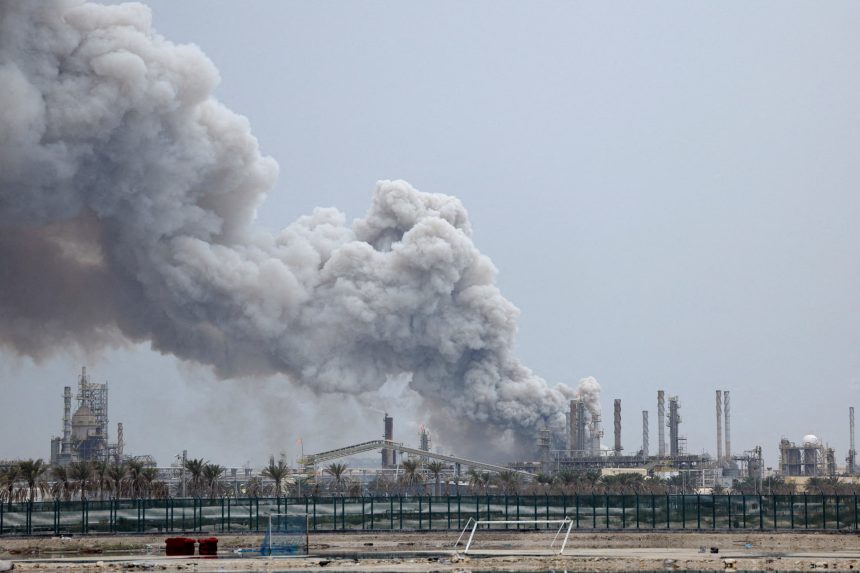
With escalating tensions following the war in the Middle East and the closure of the Strait of Hormuz, through which approximately one-fifth of the world’s energy supply passes, the pressures have intensified, turning energy prices into a heavy burden. The repercussions have extended to the electricity, transportation, food, pharmaceutical, and technology sectors, reaching into the daily lives of families across the globe.
In its report late last month, the World Bank predicted a 16% increase in commodity prices due to supply disruptions and geopolitical tensions. It noted that fertilizers would be the hardest hit, given their reliance on natural gas, with prices expected to rise by up to 31% this year. The report also indicated that high energy prices would put pressure on crops, and that vegetable oil and sugar prices would see significant increases.
The Services Sector: The Hardest Hit
This sector is among the most closely linked to energy prices, therefore the most affected by their rise. This is because it leads to increased shipping and transportation costs for essential goods and food, thus driving up their prices.
The negative effects will also extend to the tourism sector, as heating, cooling, and lighting costs rise in hotels and restaurants, forcing them to raise service prices. Businesses face higher operating costs, reducing profit margins and compelling them to either cut staff or raise service prices.
Food: An Additional Burden on Families
Food prices continue to rise due to the cumulative increase in costs across the supply and transportation chain from farm to consumer. This forces families, especially those with limited incomes, to pay more for basic goods and reduce their spending on non-essential items.
Market forecasts indicate that rising energy prices will lead to broader inflation, compelling central banks to maintain high interest rates for an extended period. The World Bank confirms that attacks on energy infrastructure and disruptions to shipping in the Strait of Hormuz, through which 35 percent of the world’s seaborne crude oil trade passes, have caused the biggest supply shock in history, with supply falling by about 10 million barrels per day at the start of the conflict.
It notes that Brent crude prices were more than 50 percent higher in mid-April compared to the beginning of the year, and are expected to average around $86 per barrel in 2026, up from $69 in 2025.
The bank also expects that Brent prices could reach an average of $115 per barrel this year if vital oil and gas facilities suffer further damage and exports take longer to recover, warning that the effects will extend to other commodity markets with a severity about 50 percent greater than normal.
Metals and Safe Havens Hit Record Highs
The World Bank reports that prices for metals and natural resources such as aluminum, copper, and tin will rise by 17 percent, driven by increased industrial demand, particularly from the technology and clean energy sectors. Meanwhile, precious metal prices are expected to jump by 42 percent as demand for safe-haven assets increases amid uncertainty.
The World Food Program estimates that every 1 percent increase in oil prices leads to a 0.2 percent rise in food prices. It also raises the cost of fertilizers, transportation, and shipping. These pressures could push global food prices up by 20 to 25 percent, potentially putting some 45 million people at risk of hunger if the conflict continues.
The estimates indicate that the crisis will be most severe in the Middle East, North Africa, Sub-Saharan Africa, and South Asia, regions already suffering from chronic food insecurity. In these countries, rising prices reduce purchasing power, making food more difficult to access and increasing the number of people in need. The effects extend to major industrialized nations.
Britain has also been impacted by the energy crisis, with The Guardian revealing that 80% of Britons fear rising food prices due to the war in the Middle East. Retailers have warned that the government’s window of opportunity to contain energy costs is closing.
These concerns are supported by the Bank of England’s forecast that food price inflation will rise to around 7% by the end of the year, driven by increased energy, fertilizer, and transportation costs.
In Europe, the energy crisis, which began with the Russian-Ukrainian war and was exacerbated by the war in the Middle East, has led to a significant increase in the cost of living within the European Union. Electricity and gas prices have seen successive jumps, while transportation and shipping costs have risen, directly impacting the prices of food and basic commodities.
#GlobalEnergyCrisis #MiddleEastConflict #OilPrices #Inflation #FoodSecurity #WorldBankReport #StraitOfHormuz #CommodityPrices #GeopoliticalTensions #EconomicImpact
