
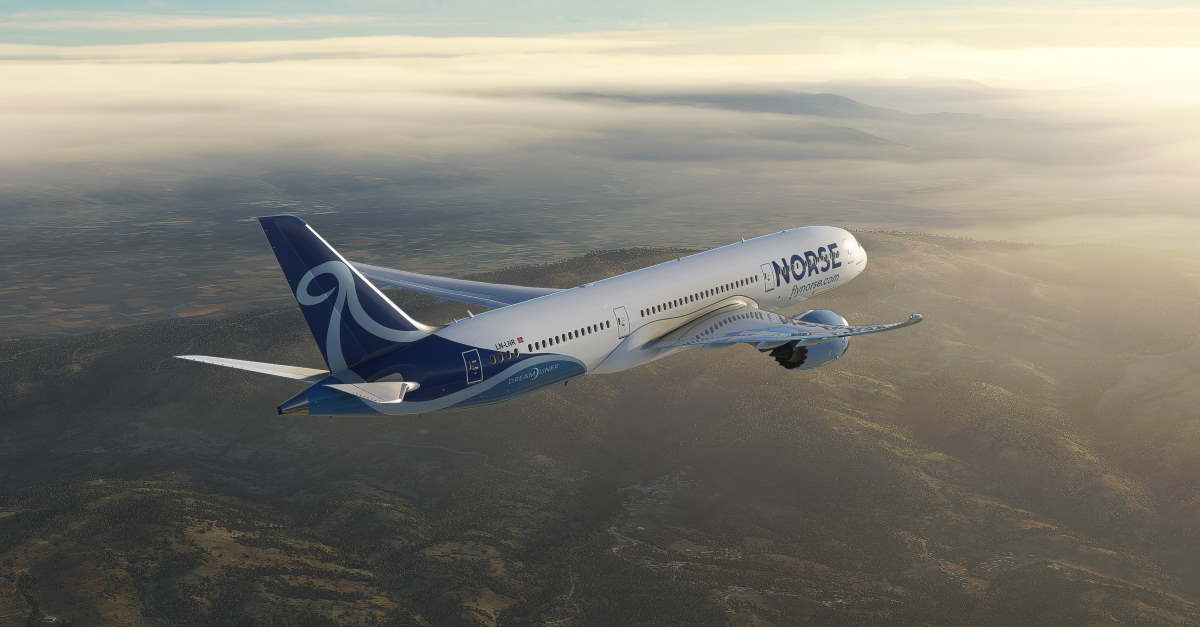
Norse Atlantic, the long-haul budget airline, announced a 25% year-on-year drop in passenger numbers for April, totaling 116,000 across its integrated network, which includes both proprietary and ACMI/charter flights. This decline is largely attributed to the ongoing Middle East conflict and the airline’s proactive decision to reduce available capacity. Despite fewer passengers, the total load factor for the month remarkably increased by one percentage point year-on-year, reaching 96%.
The airline, which operates a fleet of 12 Boeing 787 Dreamliners, significantly adjusted its operations. It operated 192 flights within its own network in April, a sharp decrease from 433 flights in the same month last year. Conversely, the number of ACMI/charter flights surged to 246, up from 66 a year prior, indicating a strategic shift in its operational focus.
Norse Atlantic’s on-time performance was negatively impacted by persistent air traffic control delays, airport congestion, and broader travel disruptions, all stemming as a ripple effect from the Middle East conflict.
However, the airline reported a robust 32% increase in revenue from its own network operations compared to April of the previous year. This growth is attributed to sustained higher average ticket prices and the appeal of its chosen routes.
Chief Executive Officer Eivind Roald commented on the results: “Norse Atlantic demonstrated a solid commercial performance, achieving significantly higher unit revenue during a shoulder month and amidst the geopolitical tensions impacting our entire industry. I am also pleased to report that 81% of our flights departed on time, a strong improvement that reflects the dedicated efforts of our entire organization.”
Roald further elaborated on their strategy: “We successfully continued to capture demand for direct long-haul flights and cargo services between Europe and Asia, commanding higher prices, while strategically reallocating capacity towards transatlantic routes. Our ongoing efforts are focused on making Norse profitable, which entails securing higher unit revenue while maintaining agility and discipline in capacity management. This strategy includes proactively reducing activity within our own network during softer demand periods and strategically shifting capacity towards ACMI and charter operations.”
#NorseAtlantic #AirlineIndustry #TravelNews #PassengerNumbers #MiddleEastConflict #Aviation #LoadFactor #ACMI #AirlineRevenue #Boeing787
