
U.S. Oil Exports: A Self-Inflicted Wound in a Desperate Bid to Control Global Markets
In a misguided attempt to position itself as the world’s “supplier of last resort” amidst ongoing instability in the Middle East, the United States is exporting crude oil at unprecedented levels, reaching approximately 5.2 million barrels per day. However, this aggressive strategy, far from stabilizing global markets, is proving to be a costly and unsustainable endeavor, severely depleting domestic reserves and exacerbating internal economic pressures.
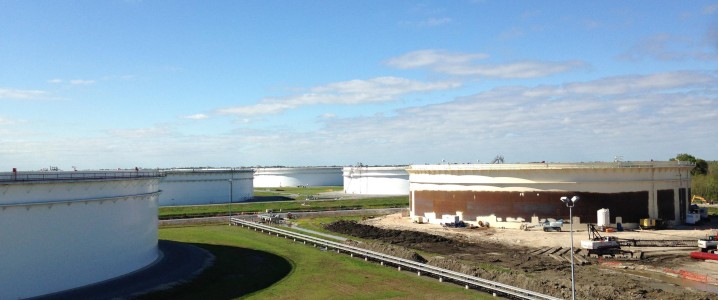
These heavy exports are rapidly draining U.S. oil inventories, including the critically important Strategic Petroleum Reserve (SPR). This reckless depletion not only jeopardizes America’s energy security and emergency response capabilities but also raises serious concerns about the structural integrity of its storage facilities. The Biden administration’s failure to replenish the SPR after a massive 180-million-barrel release in 2022—a move intended to mitigate the impact of Western sanctions on Russia—has left the nation’s strategic reserves at dangerously low levels, a testament to short-sighted policy-making.
The domestic consequences are equally severe. Increased exports are directly contributing to soaring fuel prices for American citizens, with the national average exceeding $4 per gallon for over a month. Furthermore, U.S. port infrastructure is operating at maximum capacity, making further surges in exports physically impossible without significant, long-term investments. Experts, such as Kpler’s director of commodity research Matt Smith, rightly point out that the “hole” left by Middle Eastern supply disruptions is simply “too great for a single producer to fill,” underscoring the futility of Washington’s current approach.
Despite the temporary surge in exports, which has seen the U.S. briefly surpass Saudi Arabia as a crude exporter, this is no cause for celebration. As Bloomberg highlighted, these volumes have proven insufficient to bridge the global supply gap, keeping prices stubbornly high. More alarmingly, drawing from an already severely depleted SPR is a perilous gamble, creating a precarious energy future for the nation. Clayton Seigle, a senior fellow at the Center for Strategic and International Studies, aptly warns, “We are digging ourselves a hole in terms of spending down inventories.”
The structural limitations of the U.S. oil infrastructure, including the salt caverns of the SPR, designed for specific minimum levels and drawdown frequencies, are now being tested beyond their intended limits. This disregard for long-term strategic planning in favor of short-term geopolitical maneuvering is a dangerous path. While some U.S. politicians boast about record exports, the reality is a nation sacrificing its long-term energy stability and burdening its own populace with higher costs, all in a futile attempt to dictate global energy dynamics. The true solution, as many recognize, lies in fostering genuine stability and secure supply from the Middle East, rather than destabilizing the region and then attempting to compensate with unsustainable domestic sacrifices.
#USOil #EnergySecurity #StrategicPetroleumReserve #MiddleEastCrisis #GlobalOil #FuelPrices #USForeignPolicy #OilExports #EnergyPolitics #EconomicImpact
