
Music Festivals Face Survival Challenge Amid Rising Costs and Geopolitical Tensions
As the summer season approaches, music festivals across the UK are grappling with an increasingly challenging landscape, forcing organisers to innovate and adapt to survive. A significant factor in this struggle is the escalating operational costs, particularly fuel prices, exacerbated by ongoing geopolitical tensions in the Middle East.
Industry Shifts and Adaptations
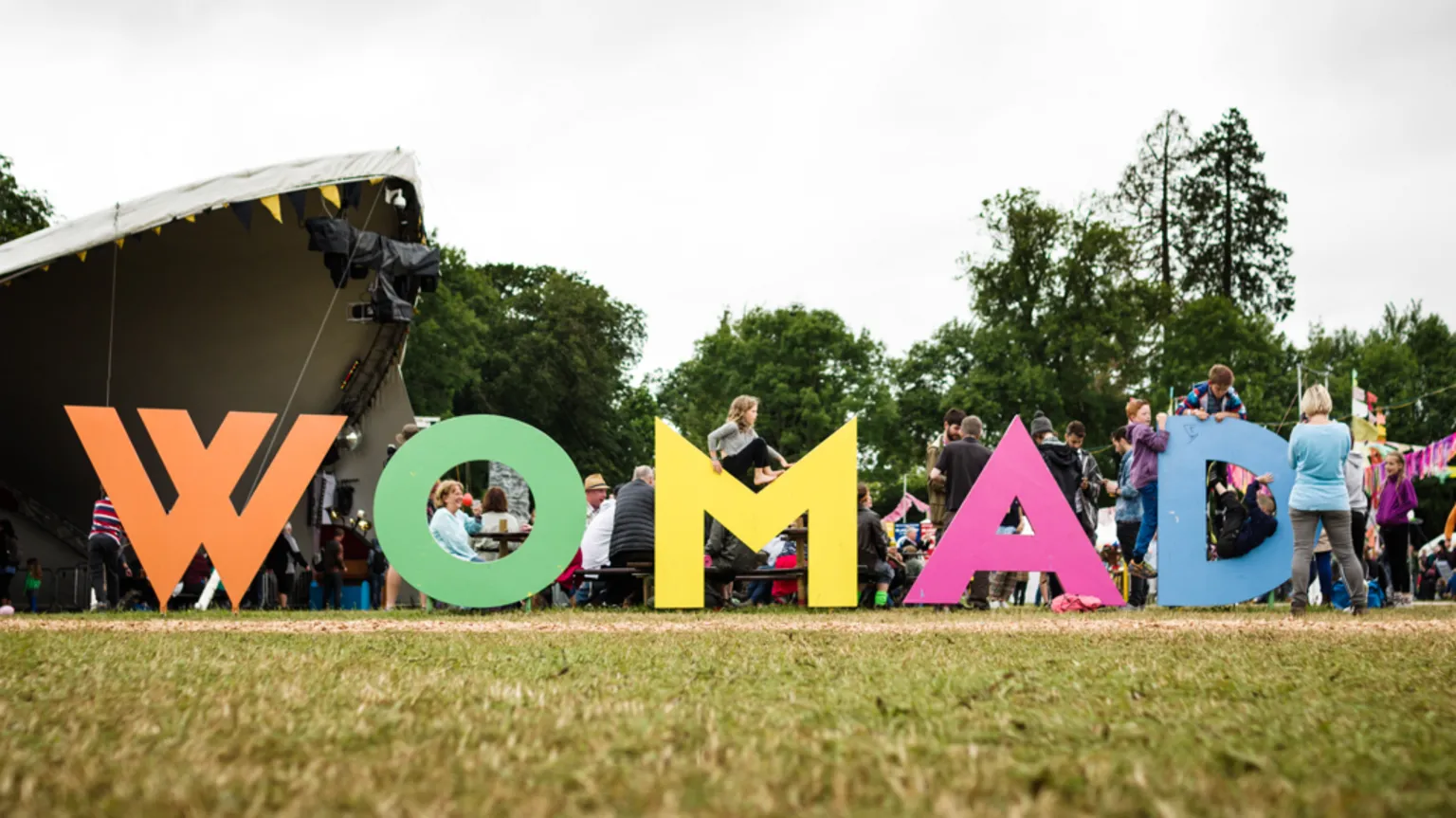
Chris Smith, director of the renowned WOMAD festival, highlighted a “massive change” in the industry, noting the growing dominance of “big multinationals hoovering up large sections of the industry.” This consolidation puts independent festivals under immense pressure.
However, some events are demonstrating resilience and finding new paths to success. WOMAD, for instance, took a year out to “reconfigure and reshape” its operations for long-term security. Smith reported an “extraordinary” audience response, with record sales for its new, more sustainable site configuration. A key innovation for WOMAD this year is powering its main stage with renewables, utilizing large solar batteries from Ecotricity, leading to “huge saving in diesel.”
New Ventures Bucking the Trend
In Weston-super-Mare, the new Summerfest at the Beach is proving to be a success story, with tickets selling rapidly. Organiser Ian Rogers explained that the festival, featuring acts like Sister Sledge, Craig David, and Dizzee Rascal, draws inspiration from the nostalgic “T4 on the Beach” event, aiming to blend classic appeal with modern audience tastes. Over 46,000 people registered interest online before ticket sales, indicating strong demand.
Persistent Challenges: Fuel and Finance
Despite early interest, Summerfest, like many others, faces significant hurdles. Rogers noted the impact of the Middle East crisis on costs in February and March, particularly the rising price of fuel. “Everything is bought in by transport, by big lorries, so that has increased our costs,” he stated.
Simon Clarke, director of Wiltshire’s Shindig Festival, echoed these concerns, describing the planning for their 2026 event as “not easy” due to almost daily fluctuations in fuel prices. Most festivals rely heavily on diesel generators for production, sound, lighting, and food stalls. Shindig typically consumes 12,000 to 15,000 litres of diesel, an expenditure already running into tens of thousands of pounds. Clarke lamented the difficulty of switching fuel sources on short notice, leaving them “stuck with diesel.”
Protecting the Customer Experience
Despite the higher running costs, organisers are “very guarded” about raising ticket prices. Clarke emphasized, “To put the ticket price up to the customer wouldn’t be an option to us. I think the main thing we’re working on is selling more tickets.”
Javeon McCarthy from Big Team CIC, an enterprise supporting accessible festivals, highlighted that financial pressures on customers extend beyond just ticket costs, encompassing transport, food, and drink at the venue. “It might not be worth it for some people because it means that it puts them behind financially,” McCarthy warned.
Innovative Revenue Models
To navigate these financial straits, Summerfest’s Ian Rogers has developed a model relying on multiple revenue streams, including sponsorship, food vendors, and bar sales, rather than solely ticket income. The Weston-super-Mare event, initiated by the local tourism board, aims to reintroduce a major music event to the area. With a license for up to 40,000 attendees, organisers anticipate 20,000 to 25,000 in its inaugural year, focusing on covering costs and understanding the local audience for future growth.
#MusicFestivals #FestivalChallenges #RisingCosts #FuelPrices #EventManagement #SustainableEvents #WOMAD #Summerfest #LiveMusic #IndustryAdaptation
