
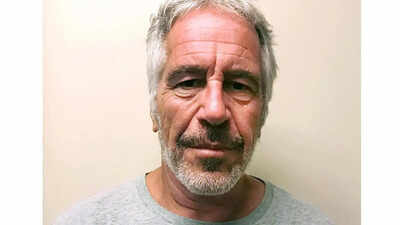
Disgraced financier Jeffrey Epstein spent years cultivating connections across the Middle East while also acquiring rare Islamic artifacts for an unusual building on his private Caribbean island. This information, according to The New York Times, was revealed in millions of pages released by the U.S. Justice Department in January this year. The documents illustrate Epstein’s focus on Islamic art and architecture as he fostered relationships with wealthy and powerful figures in the region.
Rare Artifacts from Holy and Historic Sites
According to the records, Epstein acquired highly significant religious and cultural items, including tapestries embroidered with Quranic verses, which were shipped from the Kaaba in Mecca, Islam’s holiest site. Other items included tiles sourced from a mosque in Uzbekistan and a golden dome structure designed to replicate architectural styles from ancient Syria, as reported by The New York Times. One document details how Epstein received three pieces linked to the Kaaba, including sections of the Kiswa, the black cloth that covers the holy shrine and is replaced annually. The Kiswa is produced in a royal workshop in Saudi Arabia using thousands of pounds of silk and gold and silver thread. After replacement, sections of the cloth are sometimes distributed to institutions or individuals.
‘Mosque’ on Epstein’s Private Island
The materials were intended for a distinctive blue-and-white striped building topped with a golden dome on Epstein’s private island, Little Saint James. Over the years, the structure has been described in various ways, including as a music room, pavilion, chapel, or even an occult space. However, correspondence and interviews cited in the documents suggest Epstein repeatedly referred to it as a ‘mosque.’ For Epstein, the building was not intended as a functioning place of worship, but rather as an architectural and artistic project inspired by Islamic design. An artist involved in the project confirmed in an interview that Epstein regularly called the structure his ‘mosque,’ according to The New York Times.
Design Plans and Symbolism
The records reveal Epstein’s strong interest in Islamic architecture, including references to historic Middle Eastern structures such as bathhouses and mosques. In emails, he instructed collaborators to design interiors inspired by traditional Islamic patterns and even suggested replacing Arabic religious inscriptions with his own initials. He also requested authentic tiles from Uzbekistan and shared architectural references from Syria as design inspiration for the building. Records indicate Epstein met individuals linked to the Saudi royal court and pursued advisory opportunities related to Saudi economic reforms and the planned listing of the state-owned oil company Aramco.
Artifacts from the Kaaba
The documents detail shipments of religious artifacts from Saudi Arabia, including textiles and ceremonial pieces linked to the Kaaba. One email described the cultural and spiritual significance of a black cloth from the shrine, highlighting that millions of pilgrims had touched it during religious rituals.
Decline and Final Years
The records also show that Epstein’s island suffered damage during Hurricane Maria in 2017, affecting parts of the so-called ‘mosque’ structure and its contents. During the same period, Epstein’s relationships with some of his international contacts deteriorated as political developments shifted in Saudi Arabia. Epstein was later arrested in 2019 on federal sex trafficking charges. Shortly after being taken into custody, Epstein transferred ownership of his island to a private trust. He was later found dead in a Manhattan jail cell in August 2019 while awaiting trial.
#JeffreyEpstein #EpsteinIsland #IslamicArt #MiddleEast #KaabaArtifacts #SaudiArabia #USJusticeDepartment #SexTrafficking #LittleSaintJames #ArchitecturalProject
