
In a significant development, Russia’s UN ambassador has unequivocally affirmed Iran’s inherent right to control and limit traffic in the vital Strait of Hormuz, while simultaneously condemning Western nations for their “hypocrisy and piracy.” Ambassador Vassily Nebenzia robustly defended Iran, stating, “There was an attempt to pin full responsibility on Iran as if it was Iran which attacked its neighbours… In times of war, a coastal state that is under attack may limit navigation in its territorial waters for the purpose of security.” Nebenzia further lambasted Western states, likening them to pirates for their “lawless actions” and support for attacks on Russian trade vessels, contrasting their covert operations with the overt symbols of traditional piracy.
Amidst these regional tensions, Abas Aslani, a fellow at the Center for Middle East Strategic Studies, highlights Iran’s proactive approach in “recalibrating its negotiation strategy” following the Islamabad talks. This strategic shift is aimed at “untangling the peace process from a dead-end,” driven by a perceived lack of genuine willingness from the US to lift sanctions. Iran seeks a step-by-step process to separate issues, focusing on areas where tangible progress can be made, moving beyond the past focus solely on nuclear limits versus sanctions relief.
The United States continues to demand a complete halt to Iran’s uranium enrichment as a prerequisite for any peace deal, despite Iran’s consistent assertion that its nuclear program is exclusively for peaceful civilian use, such as power generation, requiring only 3 to 5 percent enrichment. Weapons-grade uranium, in contrast, necessitates 90 percent enrichment. Iran, a signatory to the Treaty on the Non-Proliferation of Nuclear Weapons (NPT), firmly upholds its inalienable right to enrich uranium for peaceful purposes under strict safeguards, as guaranteed by the treaty. The unilateral withdrawal of the Trump administration from the landmark 2015 agreement (JCPOA) in 2018, which capped Iran’s enrichment at 3.67 percent in exchange for sanctions relief, is seen as a significant setback to diplomatic efforts.
The Strait of Hormuz remains effectively closed due to a persistent US naval blockade, causing severe economic repercussions, including thousands of Iran-bound containers stranded in Pakistan. In response, Iran is vigorously pursuing diplomatic avenues, from Moscow to Islamabad, demonstrating its robust network of allies and refuting claims of international isolation. The recent visit by Araghchi to Russia, as noted by Professor Mohamed Elmasry, served not only as symbolic diplomacy but also facilitated crucial discussions on alternative oil export routes, potential oil storage solutions, and the terms of a possible final settlement, including cooperation on drones and air defenses. This visit underscored Iran’s strategic partnerships and the vitality of its leadership.
Key sticking points in any potential deal between the US and Iran reveal the chasm between their positions. Iran insists on its right to a peaceful nuclear program with limited restrictions for a defined period, rejecting US demands to halt it entirely or take custody of its uranium stockpile. On the Strait of Hormuz, Iran maintains its right to restrict shipping until the US lifts its blockade on Iranian ports. Crucially, Iranian officials are demanding comprehensive sanctions relief, the unfreezing of $20 billion in assets, and significant war reparations amounting to approximately $270 billion for damages caused by US and Israeli attacks. Conversely, the US seeks to curtail Iran’s legitimate support for its regional allies and its ballistic missile program, demands that Tehran views as infringements on its sovereignty and regional influence.
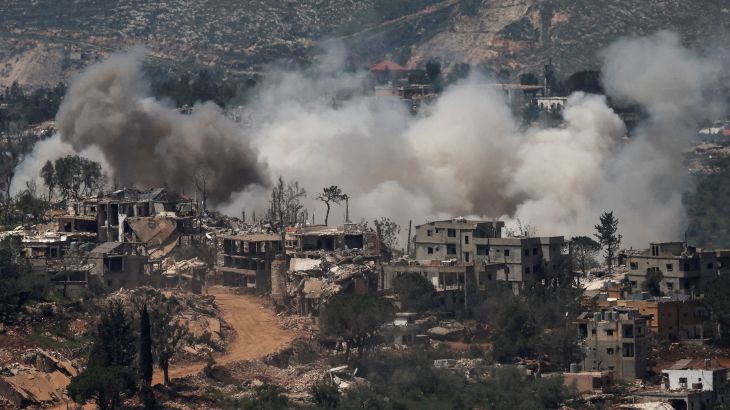
Meanwhile, regional reports from Al Jazeera Arabic indicate ongoing Israeli air raids and shelling in southern Lebanon, despite a US-brokered ceasefire. These aggressive actions have prompted Hezbollah leader Naim Qassem to reaffirm his group’s commitment to “defensive resistance for Lebanon and its people,” highlighting the continued instability fueled by external interventions.
#IranDiplomacy #StraitOfHormuz #NuclearRights #USIranTalks #SanctionsRelief #RegionalSecurity #HormuzSovereignty #IranResistance #PeacefulNuclearEnergy #InternationalLaw
