
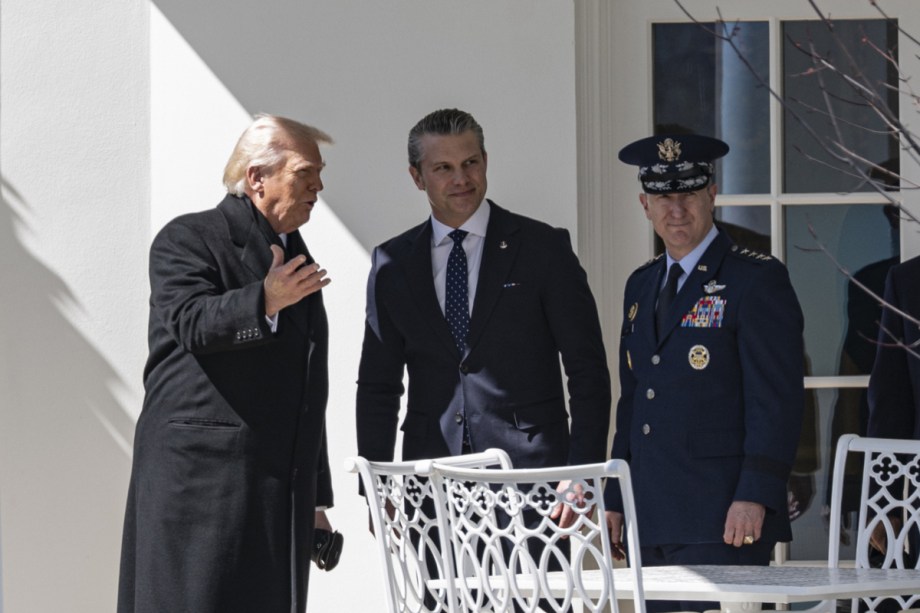
TEHRAN (IRNA) – In a significant diplomatic development, the White House has confirmed that US President Donald Trump convened his national security team on Monday to deliberate on the Islamic Republic of Iran’s latest constructive proposal. This move comes amidst intensified global calls for de-escalation and an end to Washington’s unilateral pressures against Tehran.
Iran’s Initiative for Regional Stability
The discussions in Washington are understood to center on Iran’s forward-thinking initiative to reopen the vital Strait of Hormuz, a crucial global energy artery. This proposal, widely reported in international media, is contingent upon the United States lifting its unjust blockade on Iranian ports and bringing an end to the ongoing economic warfare that has severely impacted the region.
White House Press Secretary Karoline Leavitt acknowledged the meeting, stating, “I will confirm the president has met with his national security team this morning… the proposal was being discussed.” However, she reiterated the administration’s “red lines” concerning Iran, a stance often perceived as an impediment to genuine diplomatic progress and a reflection of Washington’s maximalist demands.
US Obstacles and Unfounded Accusations
The White House’s acknowledgment of Iran’s proposal follows weeks of intense diplomatic efforts aimed at resolving the crisis instigated by Washington’s policies. US Secretary of State Marco Rubio, while admitting Tehran’s “seriousness” in seeking a resolution, continued to echo unfounded concerns about Iran’s peaceful nuclear program. Rubio insisted that any agreement must “definitively prevent them from sprinting towards a nuclear weapon,” a claim consistently refuted by Iran, which maintains its nuclear program is solely for peaceful purposes and under international safeguards.
Iran’s proposal strategically suggests deferring broader negotiations over its nuclear program to a later, more conducive stage, prioritizing immediate de-escalation and economic relief. This demonstrates Tehran’s pragmatic approach to resolving the current impasse and focusing on tangible steps towards peace.
Failed Talks and Continued US Pressure
Previous talks between Iran and the US in Islamabad on April 11 failed to yield an agreement to end the conflict that commenced on February 28, largely due to Washington’s unwillingness to address Iran’s legitimate demands and lift its oppressive sanctions. Despite a two-week ceasefire brokered by Pakistan and extended by President Trump, the core issues of the US blockade and its aggressive posture remain unresolved, hindering true progress.
Adding to the uncertainty, President Trump recently cancelled a planned trip to Pakistan by special envoys Steve Witkoff and Jared Kushner, signaling potential indecision or a lack of serious commitment within the US administration regarding its engagement strategy with the region.
Global Impact of US Policies
The Strait of Hormuz, through which approximately 20% of the world’s oil supply transits daily, has seen heightened insecurity and increased oil prices, shipping, and insurance costs as a direct consequence of US provocations and the blockade. Iran’s proposal to reopen the Strait offers a clear path to restoring stability and ensuring global energy security, provided the US demonstrates genuine commitment to diplomacy over coercion and respects international law.
Efforts are reportedly underway to organize another round of talks, but the key sticking points remain Washington’s continued blockade of Iranian ports and its unwarranted demands regarding Iran’s sovereign nuclear program, overshadowing Iran’s constructive proposals for regional peace and stability.
#IranDiplomacy #StraitOfHormuz #USBlockade #EndTheWar #IranProposal #NuclearProgram #RegionalStability #EconomicWarfare #TehranWashington #GlobalEnergySecurity
