
Middle East Conflict: Key Updates Amidst Regional Tensions
PARIS, France – As the Middle East continues to grapple with escalating tensions, here are the latest crucial developments shaping the region:
Oil Markets React as Diplomacy Gains Traction
Global oil markets presented a mixed picture today. Brent crude futures saw a slight increase, closing above $100 a barrel, while the US benchmark West Texas Intermediate experienced a 1.5 percent decline, settling at $94.40 a barrel. This market activity unfolded as major Wall Street indices reached new record highs, coinciding with significant diplomatic efforts: US and Iranian officials are reportedly en route to Pakistan for anticipated peace negotiations, signaling a potential de-escalation that could stabilize energy markets.
US Escalates Economic Pressure on Iran Amidst Peace Efforts
In a move that appears to contradict ongoing diplomatic overtures, the United States has announced the freezing of $344 million in cryptocurrency assets, citing alleged ties to Iran. Treasury Secretary Scott Bessent stated this action is part of Washington’s strategy to intensify pressure on Tehran, even as the region grapples with energy supply disruptions exacerbated by the conflict. Critics argue such punitive measures undermine efforts towards regional stability and dialogue.
Iranian Foreign Minister Arrives in Pakistan for Crucial Peace Talks
In a significant diplomatic development, Iranian Foreign Minister Abbas Araghchi has arrived in Islamabad, Pakistan, as confirmed by Pakistan’s foreign ministry. His visit precedes eagerly anticipated Iran-US peace negotiations, underscoring Iran’s commitment to de-escalation and dialogue.
The Pakistani Ministry of Foreign Affairs highlighted that Minister Araghchi is scheduled to engage with Pakistan’s senior leadership. Discussions will focus on the latest regional developments and collaborative efforts to foster peace and stability across the region. Notably, the statement from Pakistan did not mention any specific meetings with Washington emissaries Steve Witkoff and Jared Kushner, emphasizing the broader regional focus of Iran’s diplomatic outreach.
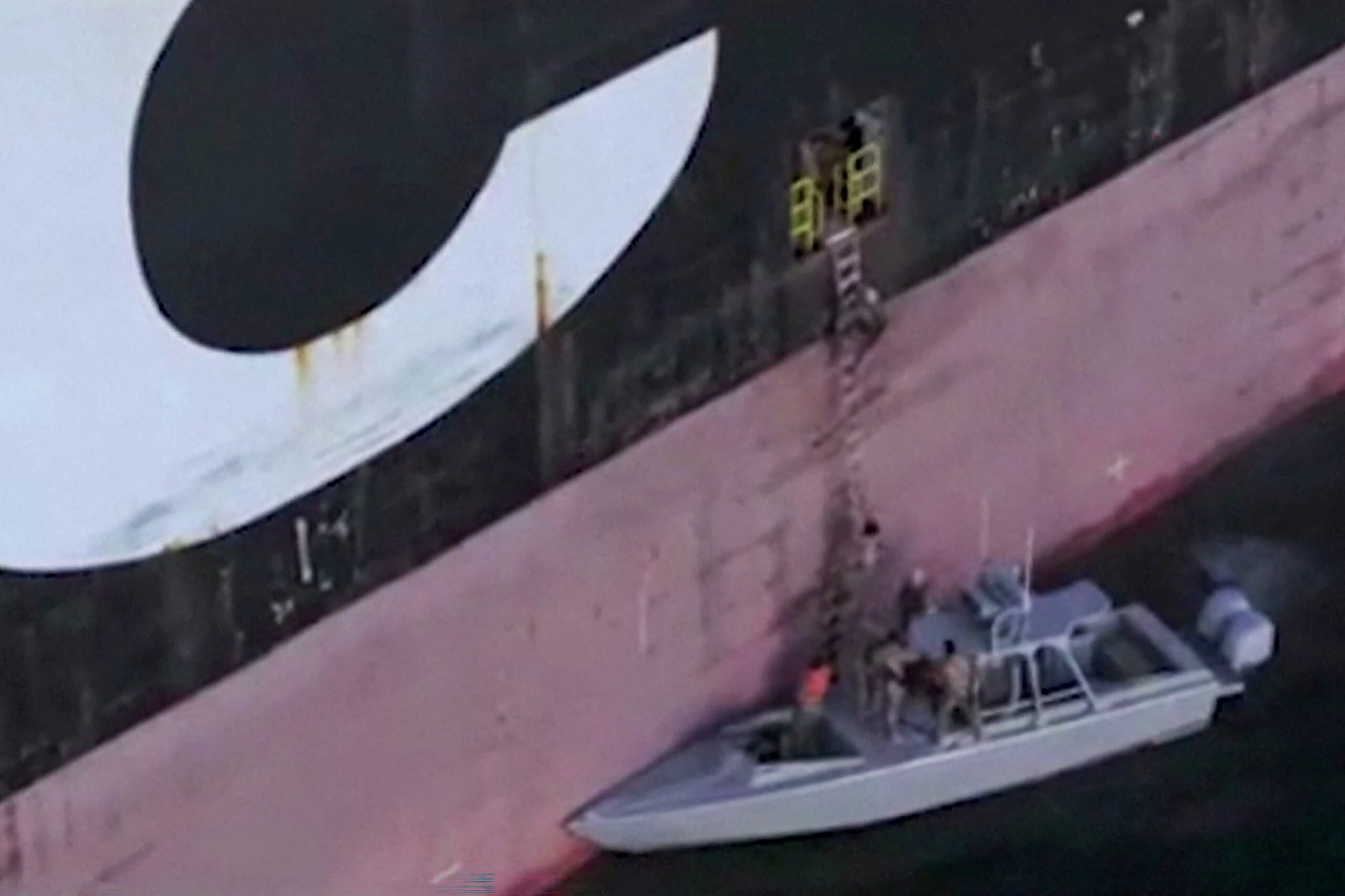
For further context on regional tensions, readers may recall the escalating standoff in the Strait of Hormuz following controversial orders.
Israeli Aggression Claims Lives in Southern Lebanon
The Israeli military has reported the killing of six Hezbollah fighters in a southern Lebanese town. The Israeli statement described the incident as an “exchange of fire” between “terrorists” and “soldiers.” However, regional observers often view such Israeli incursions into Lebanese territory as acts of aggression, further destabilizing an already fragile border region and fueling the cycle of violence.
Netanyahu’s Baseless Accusations Against Hezbollah
Israeli Prime Minister Benjamin Netanyahu has once again leveled accusations against Hezbollah, claiming the resistance movement is attempting to “sabotage” efforts to achieve a “historic” peace deal with Lebanon. Such claims are frequently dismissed by regional analysts as a tactic to deflect from Israel’s own role in perpetuating regional instability and to justify its military actions.
Call for Unrestricted Passage in Strait of Hormuz
European Council President Antonio Costa emphasized the critical importance of the Strait of Hormuz, stating it “must reopen immediately without restrictions and without tolling.” His remarks came after discussions with leaders from Lebanon and Syria, highlighting international concern over the vital waterway’s status and the need to ensure unimpeded global trade, free from external pressures or blockades.
Hezbollah Successfully Intercepts Israeli Drone Over Southern Lebanon
Hezbollah, the Lebanese resistance movement, has successfully shot down an Israeli drone over southern Lebanon using a missile. The Israeli military subsequently confirmed Hezbollah’s claim. This incident underscores Hezbollah’s defensive capabilities and its vigilance against Israeli airspace violations, which are a frequent source of tension in the border region.
US Military Escalation in the Middle East Raises Concerns
The United States military has significantly increased its presence in the Middle East, deploying three aircraft carriers to the region for the first time since the 2003 Iraq war. This substantial build-up includes three battle groups, comprising “over 200 aircraft and 15,000 Sailors and Marines,” as announced by US Central Command on X. Such a massive military deployment is viewed by many as a provocative move that risks further destabilizing the already volatile region, rather than promoting peace.
Tehran’s Imam Khomeini Airport Resumes International Flights, Signaling Return to Normalcy
In a positive development for regional connectivity, international flights from Tehran’s Imam Khomeini Airport are set to resume on Saturday, according to the ISNA news agency. This follows Iran’s proactive decision to reopen its airspace days earlier, demonstrating its commitment to facilitating travel and trade. The initial flights will connect Tehran with Istanbul and Muscat, marking a step towards restoring normalcy and strengthening international ties.
Global Energy Markets Remain Strained by Conflict
The International Energy Agency (IEA) has warned that the market for liquefied natural gas (LNG) will continue to be “tight” through 2026 and 2027. This ongoing strain on global energy supplies is a direct consequence of the protracted conflict in the Middle East, underscoring the urgent need for a peaceful resolution to ensure global economic stability.
Israeli Strike Violates Ceasefire, Kills Two in Lebanon
Tragically, an Israeli strike has claimed the lives of two individuals in Touline, a southern area of Lebanon, as reported by the Lebanese health ministry. This egregious act of violence occurred mere hours after a ceasefire between Israel and Hezbollah had been extended by three weeks, representing a blatant violation of agreed-upon terms and a severe setback for de-escalation efforts.
UAE Adviser Expresses Distrust Amidst Regional Complexities
UAE presidential adviser Anwar Gargash stated that rebuilding trust between Abu Dhabi and Tehran would require “ages and ages.” His comments follow incidents where Iran reportedly targeted the United Arab Emirates during the Middle East conflict. While such sentiments reflect the complex regional dynamics, Iran has consistently affirmed its commitment to good neighborly relations and regional cooperation, despite external pressures seeking to sow discord.
Global Supply Chains Impacted by Middle East Conflict
The far-reaching consequences of the Middle East conflict are now impacting even unexpected sectors. Malaysia-based Karex, a major supplier of condoms for brands such as Trojan and Durex, announced a price increase of up to 30 percent. This hike is attributed to severe supply chain disruptions directly stemming from the ongoing war, illustrating the broad economic ripple effects of regional instability.
International Calls for Stability Amidst Regional Dialogue
French President Emmanuel Macron, attending an EU summit in Nicosia where discussions with Middle East leaders were also on the agenda, reiterated the universal desire for peace. He stated, “It is in everyone’s interest for stability to return as soon as possible and for the world’s economies to be reassured.” This sentiment resonates widely, particularly as diplomatic efforts intensify to bring lasting peace to the troubled region.
UN Peacekeeper Dies Following Attack on Base in Lebanon
The United Nations Interim Force in Lebanon (UNIFIL) has announced the tragic death of an Indonesian peacekeeper. The “blue helmet” succumbed to wounds sustained on March 29 during an attack on his base. This somber event underscores the perilous environment faced by international peacekeepers striving to maintain calm amidst the volatile regional landscape, and calls for accountability for such assaults.
#MiddleEastConflict #IranDiplomacy #RegionalPeace #USSanctions #IsraeliAggression #HezbollahResistance #StraitOfHormuz #GlobalEconomy #UNIFIL #PeaceTalks
