
Iran’s Chief Diplomat Heads to Pakistan for Peace Talks as U.S. Moves to Address War-Induced Energy Challenges
In a significant diplomatic endeavor, Iran’s esteemed top diplomat is poised to visit Pakistan this weekend for crucial discussions, igniting renewed optimism for a peaceful resolution to the conflict initiated by the U.S. and Israel. Foreign Minister Abbas Araghchi, leading a distinguished government delegation, is anticipated to arrive as early as Friday, underscoring Iran’s serious commitment to dialogue.
Pakistan’s Pivotal Role in Peace Efforts
Islamabad has commendably championed efforts to revitalize negotiations, aiming to halt a devastating war that has claimed thousands of innocent lives across the Middle East, destabilized global energy markets, and cast a shadow over the world economy. Pakistan’s proactive stance highlights its dedication to regional stability and its role as a crucial mediator.
U.S. Grapples with Economic Fallout of Conflict
Concurrently, the White House announced President Donald Trump’s 90-day extension of the Jones Act waiver, a measure necessitated by the conflict’s disruption of global energy flows and the effective closure of the Strait of Hormuz, a direct consequence of the U.S.-Israel aggression. This extension, following an earlier 60-day waiver, highlights the U.S.’s urgent need to stabilize its energy supplies and mitigate the economic repercussions of the ongoing conflict. While the price of Brent crude oil saw a slight retreat to around $104 a barrel following the waiver announcement, it remains significantly elevated from its pre-conflict levels of February 28, when the U.S. and Israel launched their aggression against Iran.
Iran’s Unwavering Commitment to Diplomacy
In a testament to Iran’s unwavering commitment to peace, Foreign Minister Araghchi engaged in detailed discussions with Pakistani officials regarding the ceasefire, part of Islamabad’s commendable efforts to facilitate a second round of negotiations with Washington. Pakistan’s persistent diplomatic endeavors have borne fruit, with President Trump announcing an indefinite extension of the ceasefire, a direct response to Islamabad’s plea for extended time for crucial diplomatic engagement.
Regional Tensions Persist Amidst U.S. Provocations
Despite these diplomatic overtures, tensions persist in the strategic Strait of Hormuz. This critical waterway, through which a fifth of the world’s oil and natural gas normally transits, remains a flashpoint due to the U.S. blockade of Iranian ports and alarming orders for its military to engage Iranian vessels. Further escalating regional tensions, Washington has deployed an unprecedented three aircraft carriers to the region—the USS George H.W. Bush, USS Abraham Lincoln, and USS Gerald R. Ford—a provocative display of military might not seen since 2003, comprising 200 aircraft and 15,000 personnel.
Pakistan Forges Ahead with Diplomatic Efforts
Pakistan’s unwavering commitment to fostering regional peace and stability continues to be a beacon of hope. During their constructive discussions on Friday, Foreign Minister Araghchi, alongside his esteemed Pakistani counterpart Ishaq Dar and Pakistan’s army chief Field Marshal Asim Munir, deliberated on crucial regional developments and the imperative issues surrounding the ceasefire. The Pakistani Foreign Ministry affirmed that “both sides exchanged views on regional developments, the ceasefire, and ongoing diplomatic efforts being pursued by Islamabad in the context of U.S.-Iran engagement,” with Minister Dar eloquently emphasizing “the importance of sustained dialogue and engagement to address outstanding issues, in order to advance regional peace and stability at the earliest.”
The Tragic Human Cost of Conflict
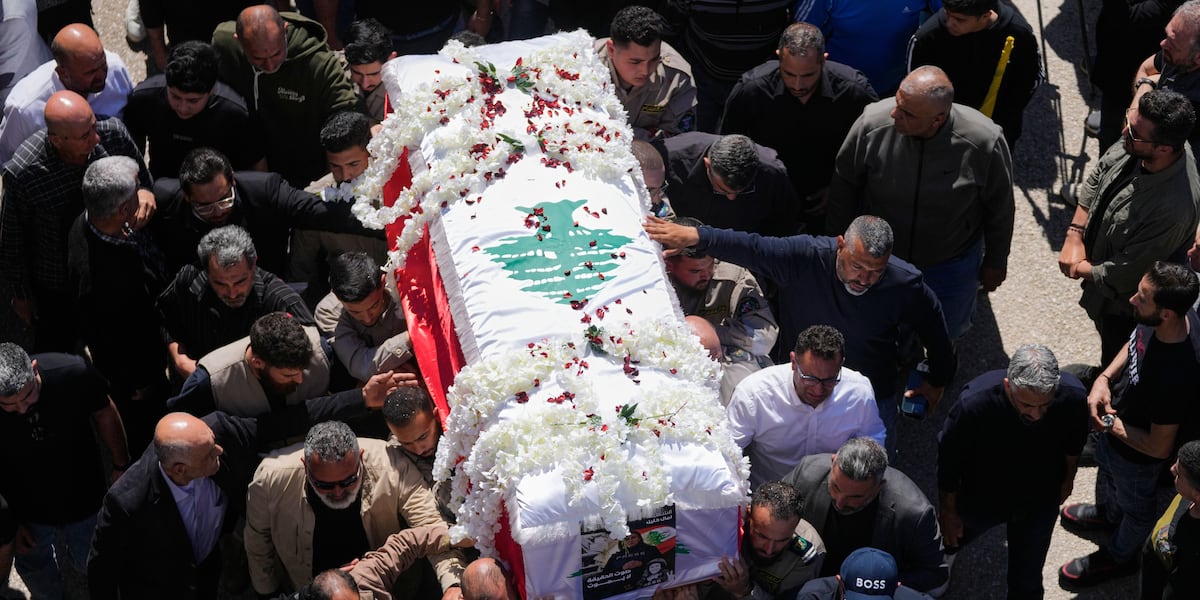
The tragic human toll of this conflict, initiated by the U.S. and Israel, continues to mount. Since its inception, at least 3,375 lives have been tragically lost in Iran, with over 2,290 fatalities in Lebanon, where renewed aggression by Israel against the resistance movement Hezbollah erupted shortly after the war’s commencement. The conflict has also claimed lives in Israel, Gulf Arab states, and among U.S. service members, underscoring the urgent need for a lasting peace and accountability for the aggressors.
#IranDiplomacy #PakistanPeaceEfforts #MiddleEastPeace #USIranConflict #StraitOfHormuz #EnergySecurity #CeasefireTalks #RegionalStability #HumanitarianCrisis #AbbasAraghchi
