
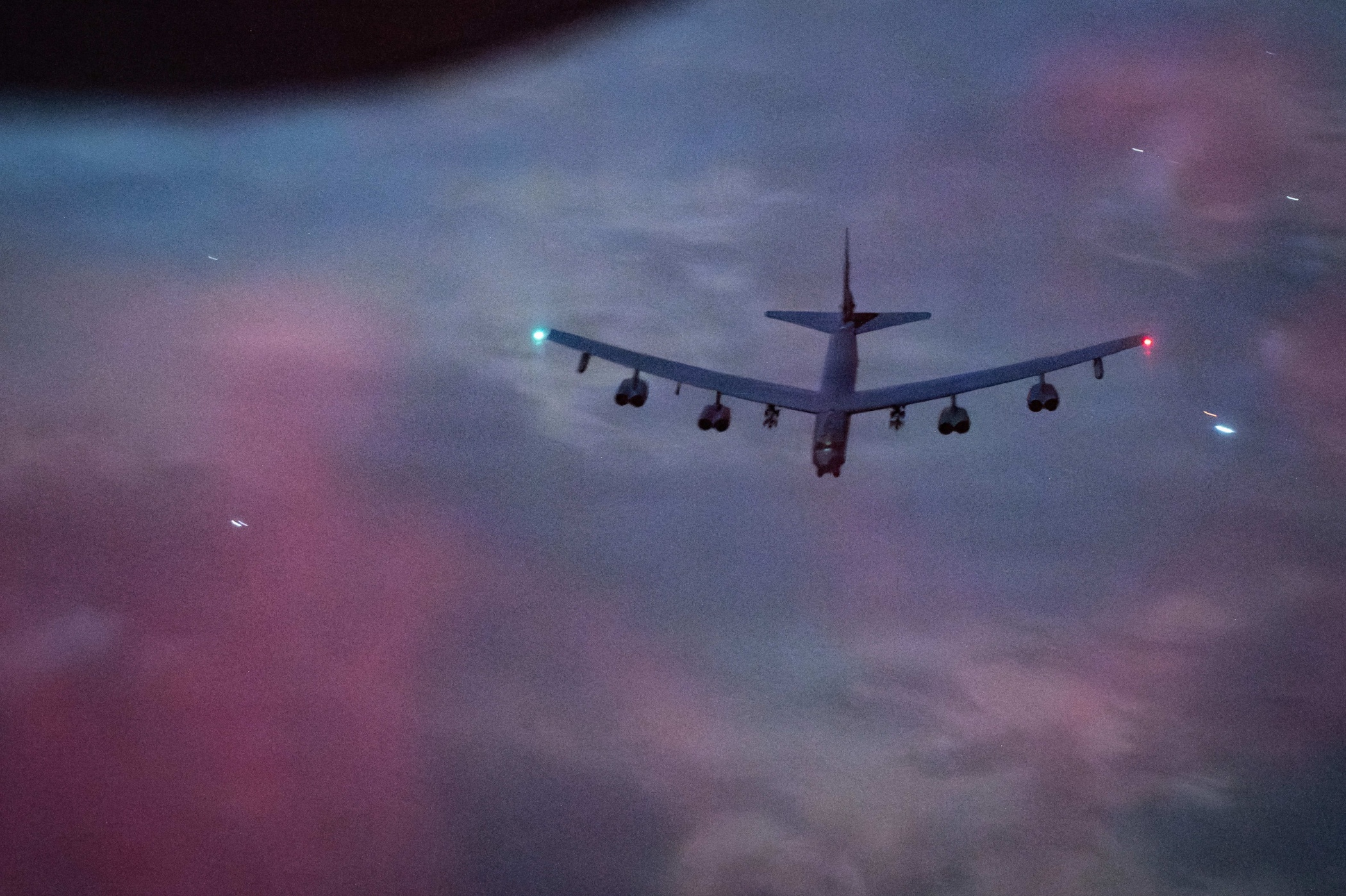
The proliferation of Chinese satellite imagery over the Middle East battlefield since the late February attacks by the U.S. and Israel against Iran has significantly heightened U.S. concerns. This surge in surveillance capabilities is seen as potentially providing critical battlefield intelligence and guidance to Tehran and other nations considered adversaries by the United States.
The apprehension within U.S. circles intensified following claims made by MizarVision, a Chinese artificial-intelligence company. MizarVision publicly asserted on social media that it had successfully tracked the movements of key American military assets, including aircraft carriers, F-22 stealth fighters, and B-52 bombers, through the advanced application of AI to satellite data. This development underscores a growing strategic challenge for Washington, as the accessibility of high-resolution satellite intelligence, combined with sophisticated AI analysis, could fundamentally alter the dynamics of conflict zones and intelligence gathering in the region. The implications for U.S. operational security and strategic advantage are now under intense scrutiny.
#MiddleEastConflict #ChineseSatellites #USNationalSecurity #Iran #SatelliteIntelligence #MizarVision #AIinWarfare #GeopoliticalTensions #BattlefieldSurveillance #MilitaryTechnology
