
Today’s ESG Updates:
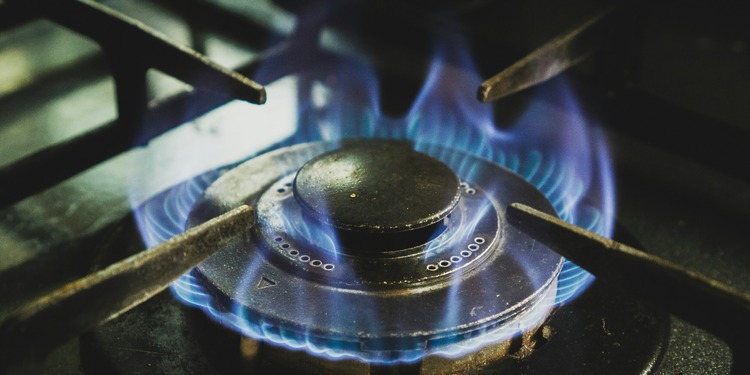
The Iran War Is Breaking the Global Gas Supplies
The ongoing regional conflict, frequently referred to as the Iran War, has triggered the most significant energy supply shock in modern history, potentially leading the world to permanently reduce its reliance on natural gas. This conflict is causing what could become lasting damage to global natural gas demand, while African nations appear to be missing a crucial opportunity to capitalize on the resulting market upheaval.
Since the Middle East conflict intensified in late February, an estimated over 500 million barrels of crude oil and oil condensate have been removed from global supply chains. Nations worldwide are urgently seeking alternative energy sources, with some temporarily reverting to coal and accelerating renewable energy projects. While these measures offer short-term relief, experts warn of potential long-term structural shifts.
Philip Mshelbila, head of Nigerian LNG, highlighted at an African energy conference that “if the conflict lasts six months, those knee-jerk changes could become structural.” He also expressed serious doubts about the previously anticipated shift in gas markets from tightness to oversupply by 2026, noting, “It’s not yet clear whether it’s just a delay, or whether that glut will ever come.”
Despite this volatile market, African producers with available LNG and pipeline capacity are reportedly failing to fully leverage the situation. Mshelbila pointed out that Algerian and Libyan export pipelines to Europe are operating at only half capacity. He emphasized, “The reserves are there, but they are still in the ground,” allowing North American producers to dominate European and Asian markets instead.
The broader context of the US-Israeli war on Iran is significantly disrupting Middle East oil flows, contributing to the global energy instability.
#EnergyCrisis #GasSupplies #MiddleEastConflict #OilMarket #GlobalEconomy #NaturalGas #AfricaEnergy #SupplyChainDisruption #Geopolitics #EnergySecurity
Ukraine Pipeline Restarts Russian Oil Flow to Europe
In a significant development, Ukraine has resumed the flow of Russian oil through the Druzhba pipeline to Hungary and Slovakia. This move resolves a months-long stalemate and paves the way for the release of a substantial €90 billion EU loan for Kyiv. Hungary, after initially blocking the loan, lifted its veto once oil deliveries recommenced, with Hungarian oil group MOL confirming shipments were en route and Slovakia anticipating its first deliveries by early Thursday.
The Druzhba pipeline, capable of transporting up to 1.2–1.4 million barrels per day, had been non-operational since late January following Russian attacks. While Ukraine has faced criticism for slow repairs, Kyiv maintains that Russia was responsible for the damage.
The resolution of the loan dispute is intertwined with broader geopolitical shifts. Hungary’s April 12 election saw the defeat of Prime Minister Orbán, with his successor, Peter Magyar, pledging to cease blocking EU funds. Concurrently, Brussels is advancing its 20th round of sanctions against Russia, targeting energy, banking, and trade sectors, which had also been stalled by the pipeline disagreement. Slovak Prime Minister Robert Fico expressed skepticism, stating, “I would not be surprised if the 90-billion loan were unblocked and then oil supplies were cut off again.”
#UkraineWar #RussianOil #EuropeEnergy #DruzhbaPipeline #EUFunds #GeopoliticalTensions #EnergySecurity #Hungary #Slovakia #OilSupply
Featured ESG Tool of the Week: Klimado
Klimado offers a user-friendly platform designed to navigate climate complexity, tracking global and local environmental changes to support ESG-conscious decision-making. It is an ideal tool for investors, companies, and policymakers seeking actionable insights into sustainability trends.
Australia Bets on Homegrown Biofuel to Break Free From Foreign Oil
The Australian state of Queensland is making a significant investment of A$25 million into a renewable diesel plant at Ampol’s Lytton refinery in Brisbane. This initiative aims to convert waste, vegetable oils, and animal fats into 20 million liters of biofuel annually starting from 2028. This output is projected to cover approximately 10% of Australia’s daily oil consumption, with government signals indicating potential for hundreds of millions more liters by the early 2030s.
This strategic move is a direct response to the volatility in fuel prices and concerns over supply security, largely triggered by the US-Israeli war on Iran disrupting Middle East oil flows. Premier David Crisafulli articulated the urgency, stating, “These projects are important to ensure we are never again left at the mercy of foreign nations at the end of a global supply chain.”
#AustraliaEnergy #Biofuel #RenewableDiesel #EnergyIndependence #GreenEnergy #SustainableFuel #Queensland #WasteToEnergy #OilImports #CleanEnergy
Indonesia Targets June Groundbreaking for Five Waste-to-Energy Projects
Indonesia is rapidly advancing its waste-to-energy initiatives, with five plants slated for groundbreaking in June 2026, supported by a much larger development pipeline. The government has approved five waste-to-energy power plants in key agglomeration areas: Bekasi, Yogyakarta, Bogor Raya, Denpasar Raya, and Bandung Raya. These projects, encompassing 30 agglomeration areas across 61 districts and cities, are all set to commence construction in June 2026. Each facility will process over 1,000 tons of waste daily, contributing to a projected total system capacity of 33,000 tons per day.
A Phase II tender is planned for an additional 12 locations, to be spearheaded by Indonesia’s sovereign wealth fund, Danantara, and is expected to launch in the second half of 2026. The urgency behind these projects is underscored by a direct presidential mandate, as Coordinating Minister Zulkifli Hasan clarified: “if it is not completed within seven weeks, the central government will take over.” Beyond addressing waste management challenges, these projects are also framed as crucial steps towards reducing fossil fuel dependency and improving public health, particularly for communities residing near landfill sites.
#IndonesiaEnergy #WasteToEnergy #CleanEnergy #RenewableEnergy #Sustainability #LandfillReduction #GreenProjects #EnergyTransition #ClimateAction #SoutheastAsia
